Trash is usually an afterthought. It disappears behind lids, collected before dawn, removed from daily concern. Yet what we throw away—and where we place it—often reflects choices larger than convenience. In Brea, that quiet routine has begun to draw closer attention.
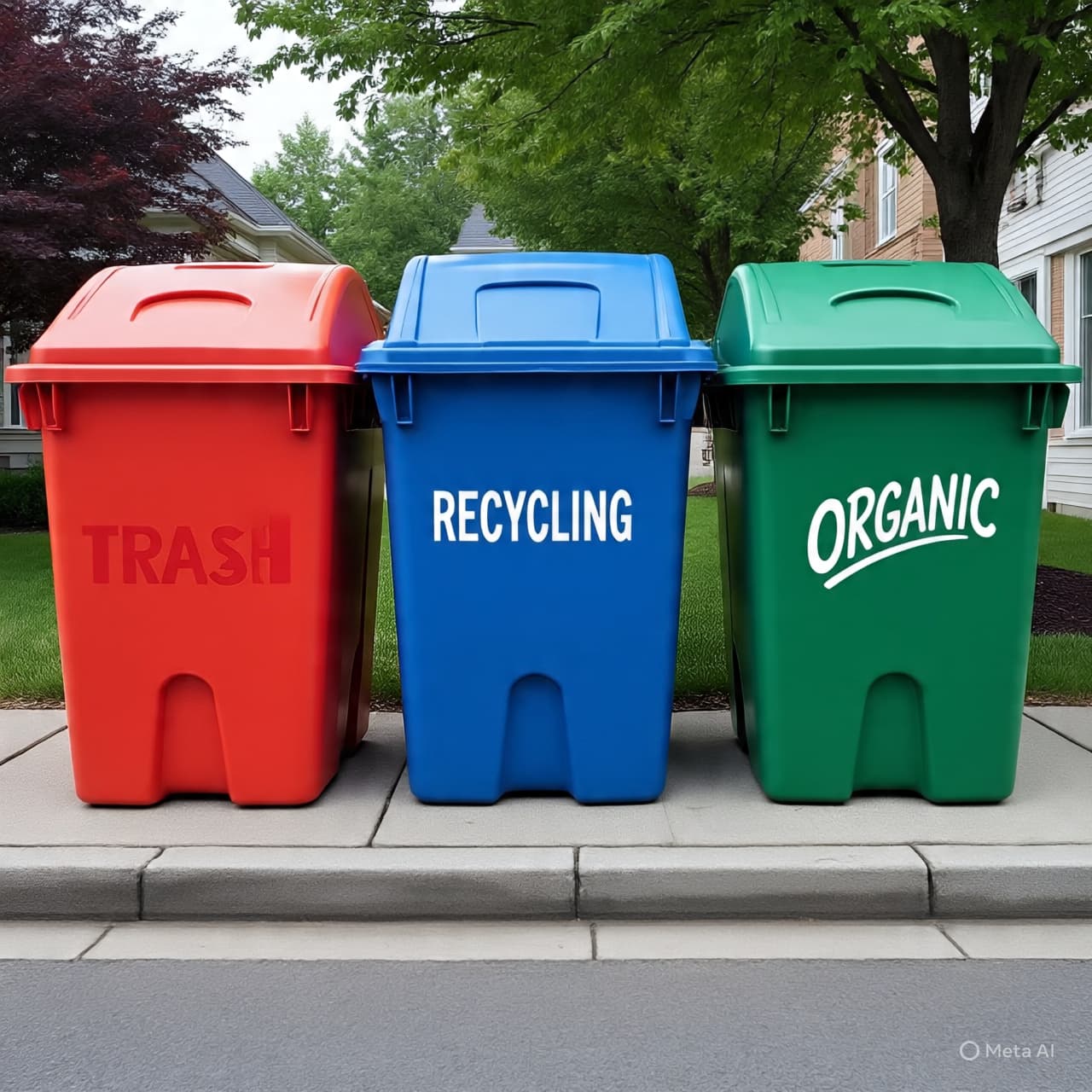
City officials have issued a warning to residents about violations related to improper trash disposal, particularly items placed in the wrong bins. The message is not framed as punishment, but as a reminder that waste sorting plays a role in keeping local services efficient and environmental goals intact.
According to the city, repeated issues have emerged with recyclables ending up in trash containers, food waste contaminating recycling bins, and prohibited items placed curbside. These mistakes, officials say, can disrupt collection systems and increase processing costs.
Brea’s waste program relies on separation to function properly. When bins are misused, entire loads may be diverted to landfills instead of being recycled or composted. What appears minor at the household level can ripple outward across the system.
For now, the city is focusing on education rather than enforcement. Warnings are intended to raise awareness before fines or penalties are considered. Residents are being encouraged to review guidelines and take a moment before discarding items.
The emphasis reflects a broader shift in how cities manage waste. As disposal costs rise and environmental targets tighten, accuracy matters more than ever. Proper sorting is no longer a courtesy—it is infrastructure.
Officials also note that compliance helps protect sanitation workers and equipment. Certain materials, when placed incorrectly, can cause damage or pose safety risks during collection and processing.
The warning, then, is less about reprimand and more about shared responsibility. Brea’s streets may look the same on collection day, but what happens at the curb shapes outcomes far beyond it.
As the city continues its outreach, the hope is simple: that a pause at the bin today prevents larger problems tomorrow.
Published by Banx Network. This article is part of the Banx decentralized media programme, powered by the BXE token on the XRP Ledger.