There’s a quiet current running beneath the day-to-day rhythms of office life and shift work, one that many of us take for granted until it isn’t there: a restful night’s sleep. Yet for millions of people, that rest is fragmented by pauses in breathing that go unnoticed by colleagues but ripple through workplaces as fatigue, decreased alertness, and hidden cost. Now, researchers are urging employers and policymakers to look not just at sleep deprivation as a metaphor for busyness, but at a specific medical concern—obstructive sleep apnoea—as something workplaces might begin to screen for.
Obstructive sleep apnoea (OSA) is a condition in which the upper airway repeatedly narrows during sleep, interrupting normal breathing and often resulting in loud snoring, choking noises, and frequent awakenings. These pauses may be invisible to others, but they contribute to excessive daytime sleepiness, difficulty concentrating, mood swings, and a general sense of fatigue that can affect performance at work. Because many individuals remain undiagnosed—researchers estimate that up to 85 % of cases in some populations go unrecognized—its impact on the working day is subtle yet pervasive.
The concern goes beyond individual well-being. A recent analysis published in the medical journal Thorax suggested that untreated OSA may be costing the economies of the UK and United States billions of dollars annually through lost productivity, absenteeism, and reduced workplace performance. Researchers behind the editorial argue that for job categories where alertness is crucial—such as professional driving, surgery, or other safety-critical roles—the risks of undetected OSA are both economic and human.
Based on these findings, experts propose that workplaces consider trialling screening programmes designed to identify people at high risk of OSA, particularly in sectors where daytime sleepiness could have serious consequences. Such programmes could evaluate employees through questionnaires, sleep assessments, or referral pathways tied to clinical diagnosis. Early identification, combined with treatment options ranging from lifestyle changes to continuous positive airway pressure (CPAP) therapy or newer interventions, might not only support individual health but also reduce costly productivity losses.
At the same time, researchers recognise the sensitive nature of workplace health initiatives. They emphasise that any screening effort should come with protections for employees, including employment guarantees and assurance that coming forward with a health concern will not lead to penalisation. Disability advocates and workers’ unions have echoed this view, calling for supportive approaches that protect job security while enabling access to diagnosis and care.
OSA’s connection to broader health risks, including cardiovascular issues such as heart disease and stroke, adds another layer of urgency to early detection conversations. Yet screening in occupational settings remains a relatively new idea, one that proponents suggest could evolve alongside growing awareness of sleep disorders and increasing availability of diagnostic tools.
In the soft light of an early morning commute, or the quiet pause between tasks at a desk, the effects of a restless night can be felt in small ways that are easy to overlook. Researchers now suggest that recognising and addressing obstructive sleep apnoea at the workplace could be one path toward healthier, more alert, and more productive working lives.
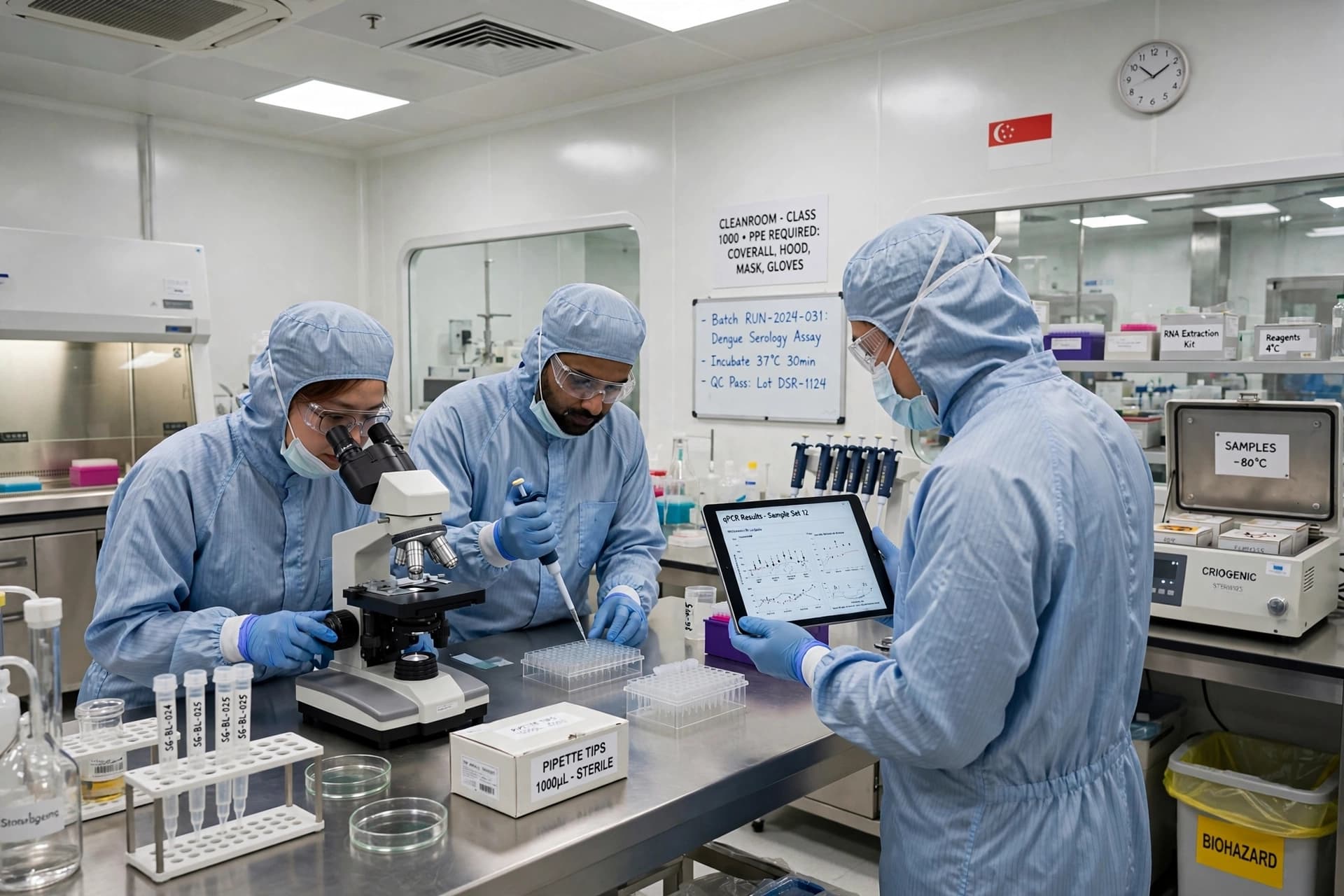
AI Image Disclaimer Graphics are AI-generated and intended for representation, not reality.
---
Sources: Reuters The Standard Yahoo News / DPA The Independent EurekAlert! (BMJ Group)
Published by Banx Network. This article is part of the Banx decentralized media programme, powered by the BXE token on the XRP Ledger.

.jpg&w=3840&q=75 "Qantas Grounds Plane After Passengers Report Bedbug Bites")