Singapore's economic landscape has always been shaped by connection. Ships arrive from distant ports, financial capital crosses borders, and increasingly, data travels through networks that have no visible shoreline.
That interconnected character has helped the city-state benefit from the current global technology investment cycle. Singapore raised its 2026 growth forecast after the economy expanded 5.9% year-on-year in the second quarter.
Artificial intelligence has become an important part of that momentum. The worldwide expansion of AI infrastructure is increasing demand for semiconductors, advanced electronics, computing equipment, and data-center services.
Singapore has positioned itself within several of these supply chains. Its established manufacturing base gives electronics companies access to sophisticated infrastructure, while its financial sector provides connections to international capital.
The country's port remains equally important. Singapore is one of the world's major maritime hubs, linking Asian manufacturing centers with consumer markets across the globe.
That combination of physical and digital infrastructure gives the economy a distinctive character. A container of electronic components and a stream of digital information may travel through different systems, yet both contribute to the same commercial network.
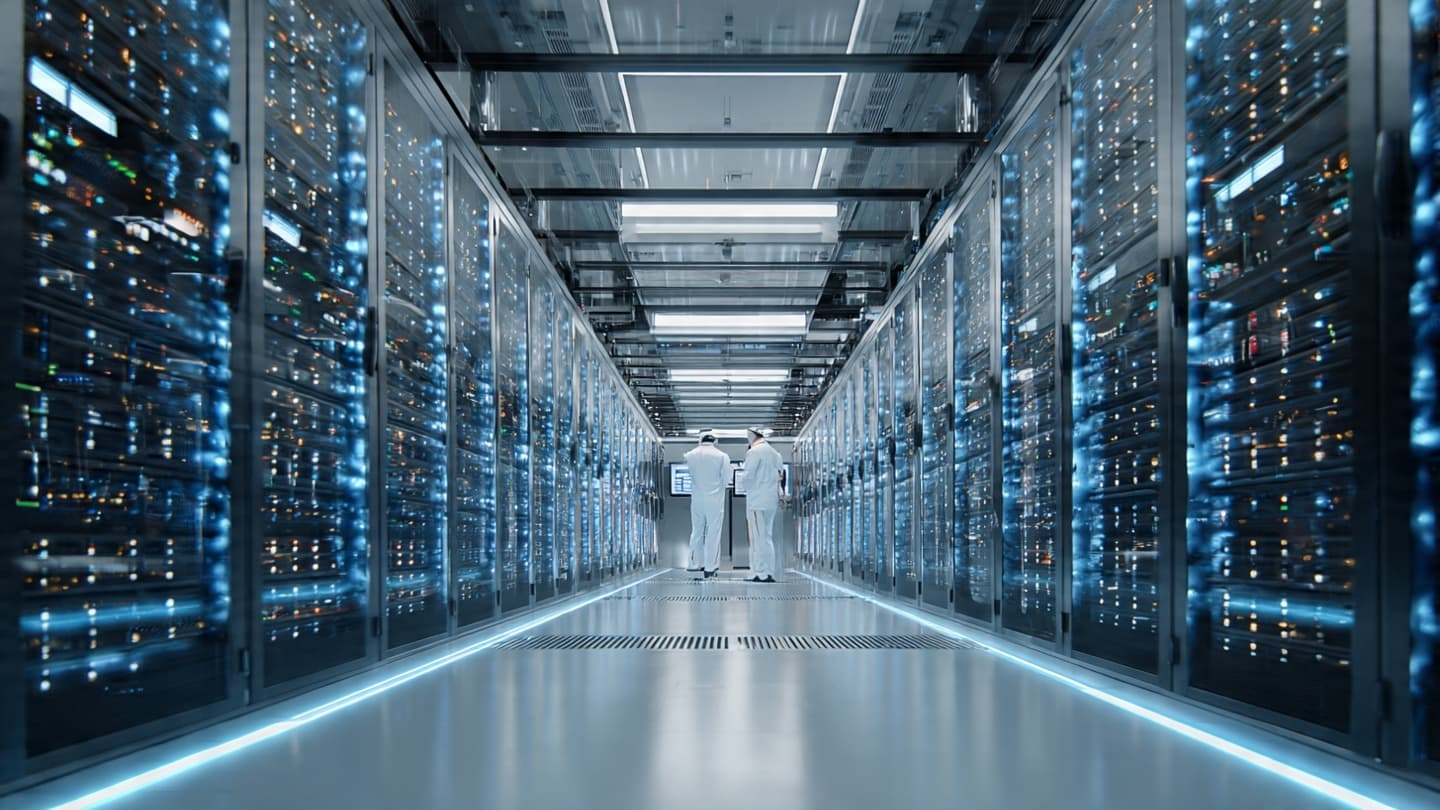
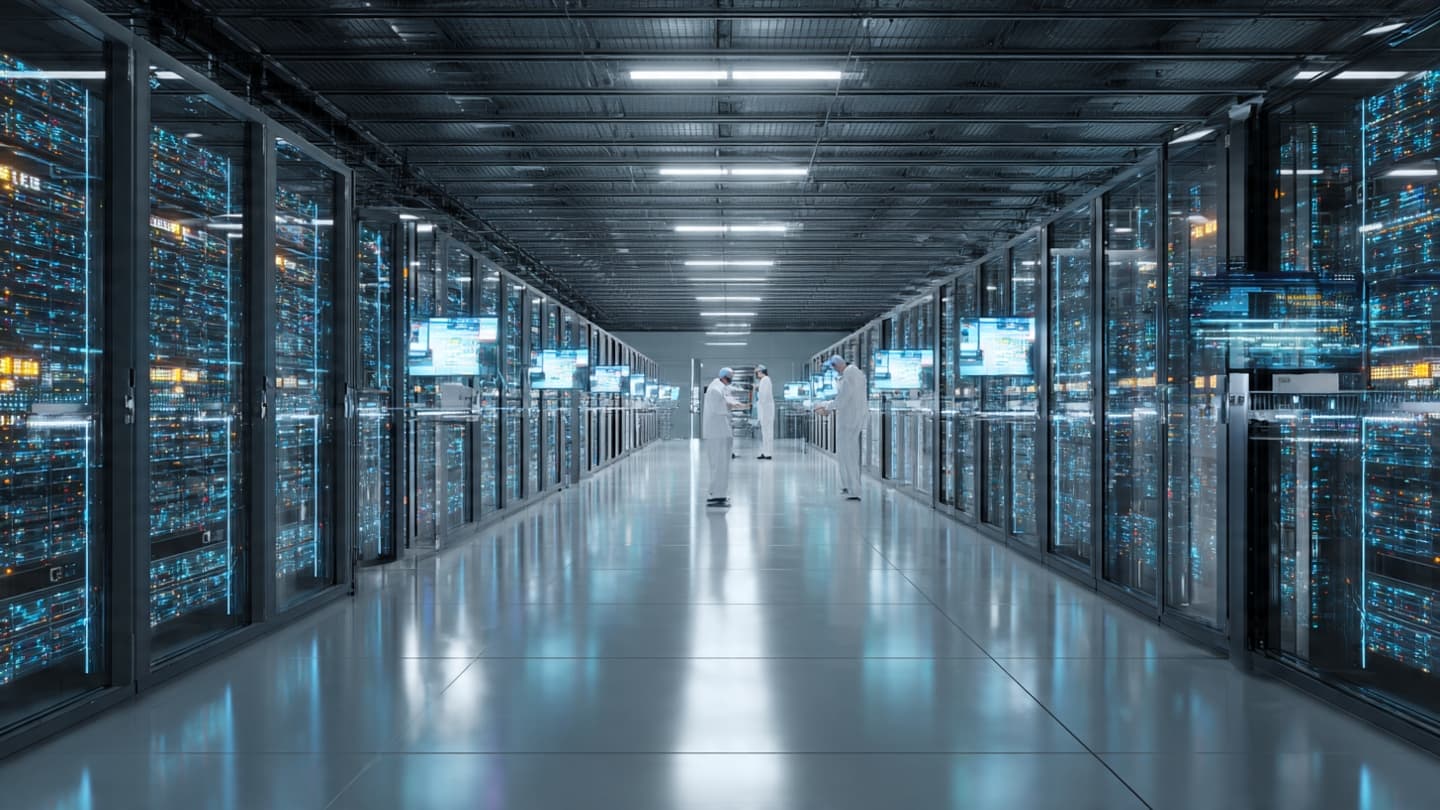
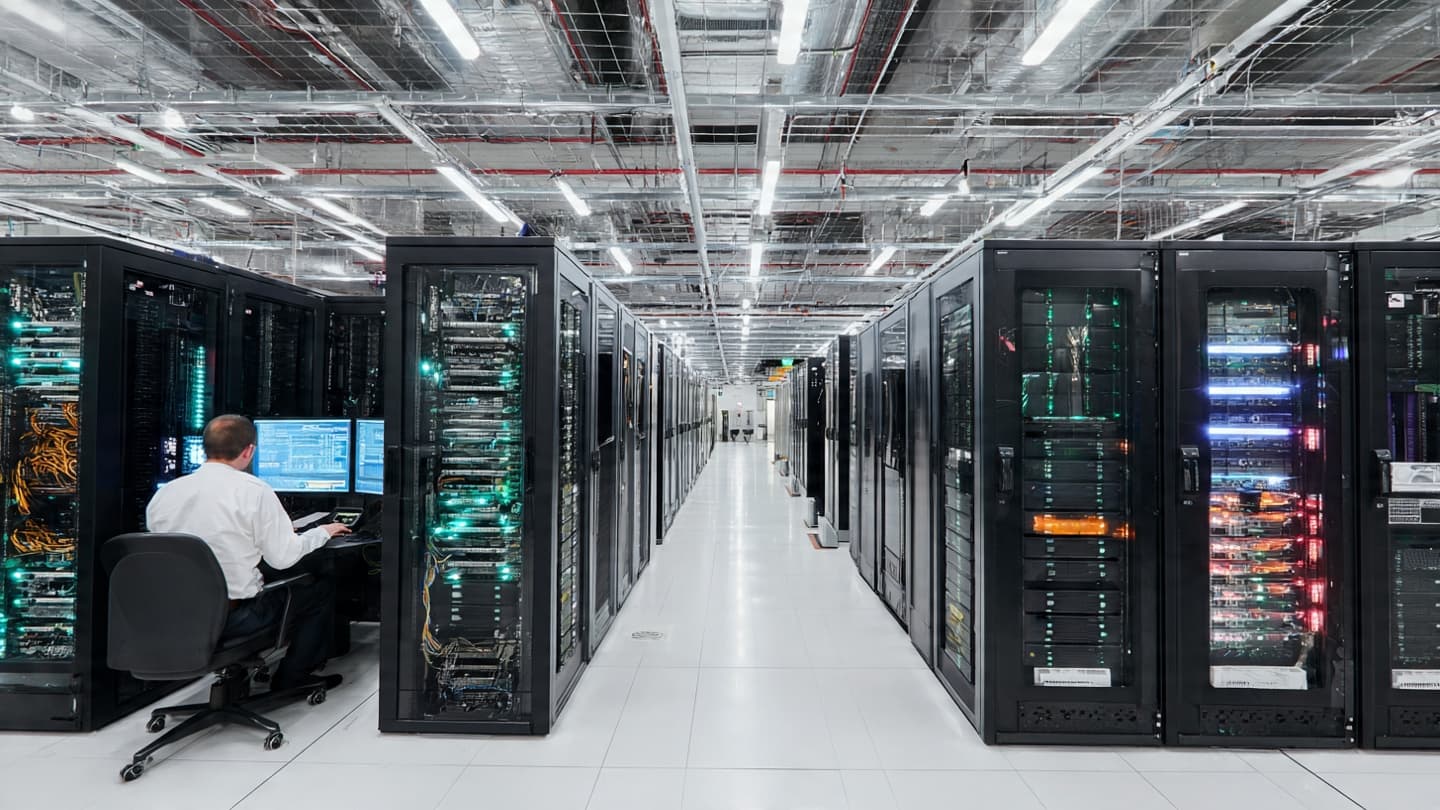
Data centers are another growing component. As AI systems require greater computing capacity, demand for servers, cooling equipment, electricity, and high-speed connectivity is increasing.
The expansion also creates constraints. Singapore has limited land and resources, so technology growth must be accompanied by careful planning around energy consumption, infrastructure capacity, and environmental considerations.
For financial institutions, stronger economic activity creates opportunities across corporate lending, investment management, insurance, and wealth services. International companies may also view Singapore as a regional base for operations throughout Southeast Asia.
The economy nevertheless remains exposed to global conditions. Singapore's reliance on international trade means a slowdown in major markets can quickly affect manufacturing and export activity.
For now, the global technology cycle is providing an important source of support. The latest growth forecast suggests that Singapore is continuing to benefit from its position between traditional trade and the newer infrastructure of the digital economy.
As the year moves forward, the island's economic story will remain closely connected to the world beyond its shores. Its strength lies partly in that connection, and its challenges will often arrive through the same channels.
AI Image Disclaimer Illustrations were created using AI tools as conceptual representations of Singapore’s technology-driven economy and are not real photographs.
Sources Reuters Singapore Ministry of Trade and Industry Monetary Authority of Singapore
Published by Banx Network. This article is part of the Banx decentralized media programme, powered by the BXE token on the XRP Ledger.