There are places in Singapore where the sound of traffic gradually disappears beneath leaves. Paths become narrower, the air feels different, and the city's towers seem farther away. These remaining patches of forest are small compared with the urban landscape around them, yet they carry an unusual presence in one of Asia's most densely developed cities.
That balance has recently come into focus as Singapore plans to clear parts of its remaining secondary forest to make room for high-density housing. The proposal has generated concern from environmental groups and residents who fear the loss of habitat and biodiversity.
The debate reflects a basic feature of Singapore's geography. Land is limited, while the city continues to require homes, infrastructure and space for economic activity. Each new development therefore takes place within a landscape where natural and built environments often stand remarkably close to one another.
Secondary forests may not always resemble untouched primary rainforest, but they can still provide habitat for plants, insects, birds and other wildlife. They also create green corridors through developed areas, offering spaces where ecological processes can continue within an otherwise highly urban environment.
For residents, these forests can serve another purpose. A wooded path, a patch of shade or a quiet stretch of vegetation can provide a brief contrast to the dense architecture of the city. Such spaces become part of the everyday landscape even when their ecological value is less immediately visible.
Housing, meanwhile, remains an important practical consideration. High-density development allows Singapore to accommodate more people while making efficient use of scarce land. The challenge lies in determining which landscapes can change and which should remain part of the city's environmental structure.
The question is therefore not simply about trees versus buildings. It involves planning, biodiversity, housing demand, recreation and the long-term character of the city. Decisions about one forested area can influence how future neighborhoods connect with the natural spaces around them.
Singapore has previously developed extensive systems of parks, nature reserves and green corridors. Those efforts have helped maintain pockets of biodiversity within a highly urbanized environment, making the remaining undeveloped areas especially visible when new construction is proposed.
Environmental groups have called for greater consideration of the ecological value of the affected forest, while authorities face the practical task of providing housing for a growing and changing population. The discussion is unfolding within a city accustomed to carefully managing nearly every available piece of land.
For now, the forest remains a quiet presence beside Singapore's rapidly changing urban landscape. The coming decisions will determine how much of that green space remains and how the city's future neighborhoods are shaped around the natural world already growing there.
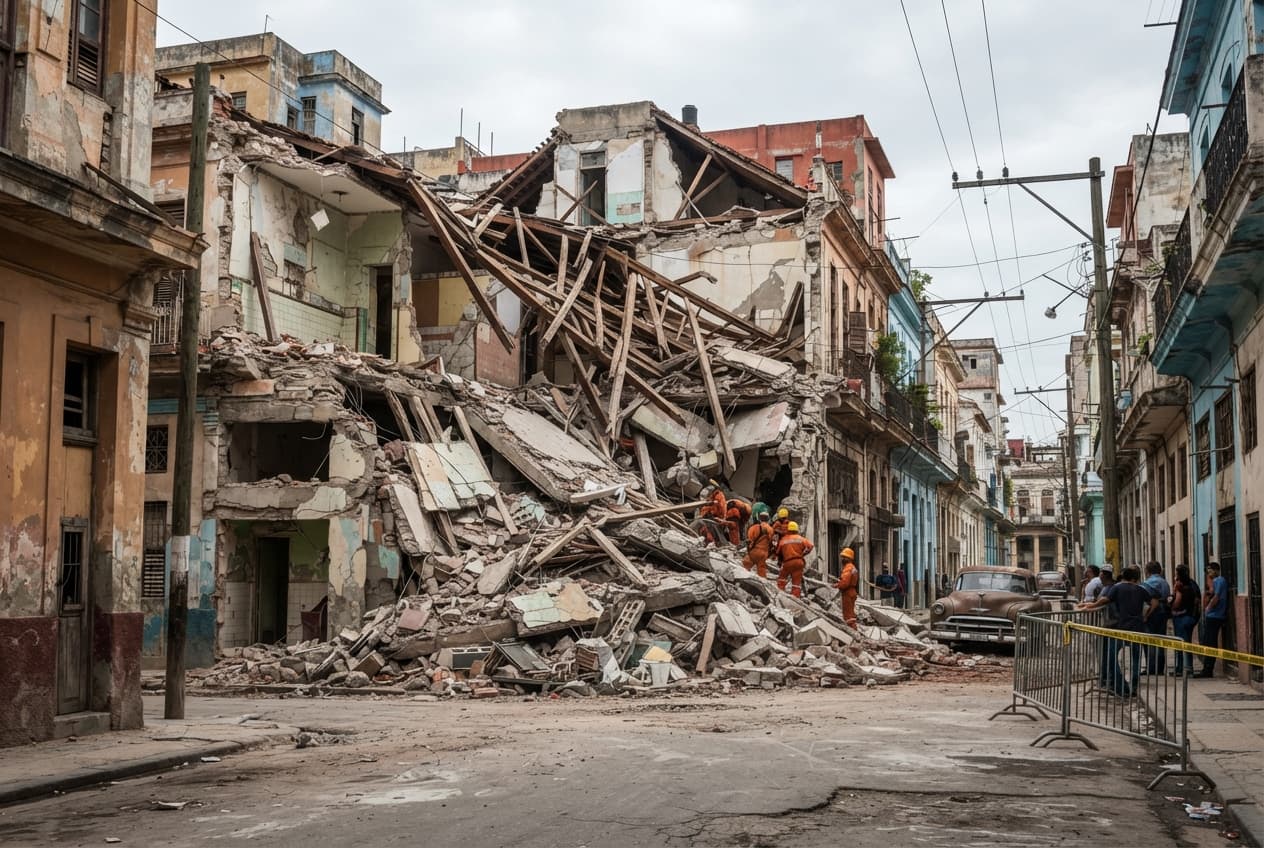
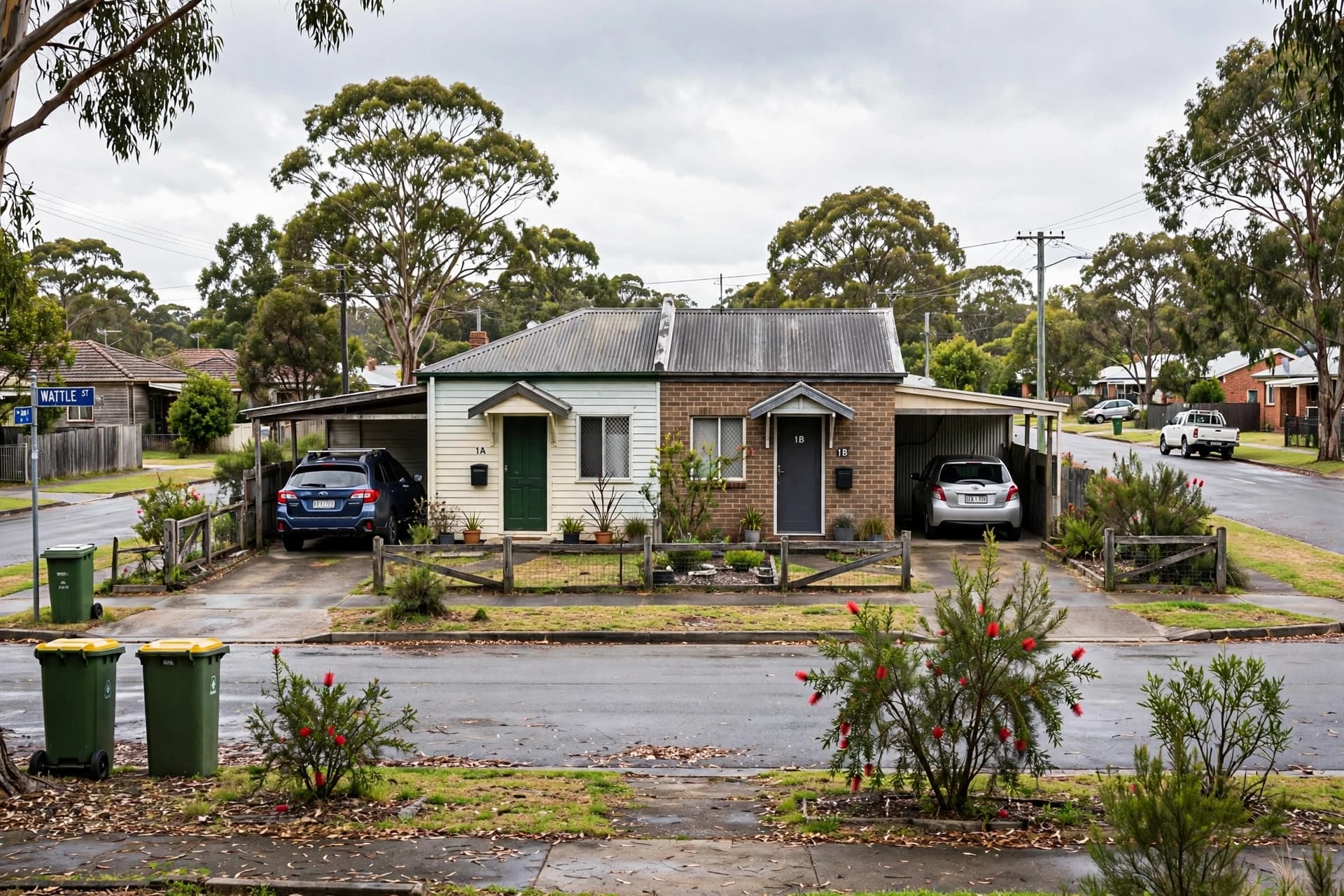
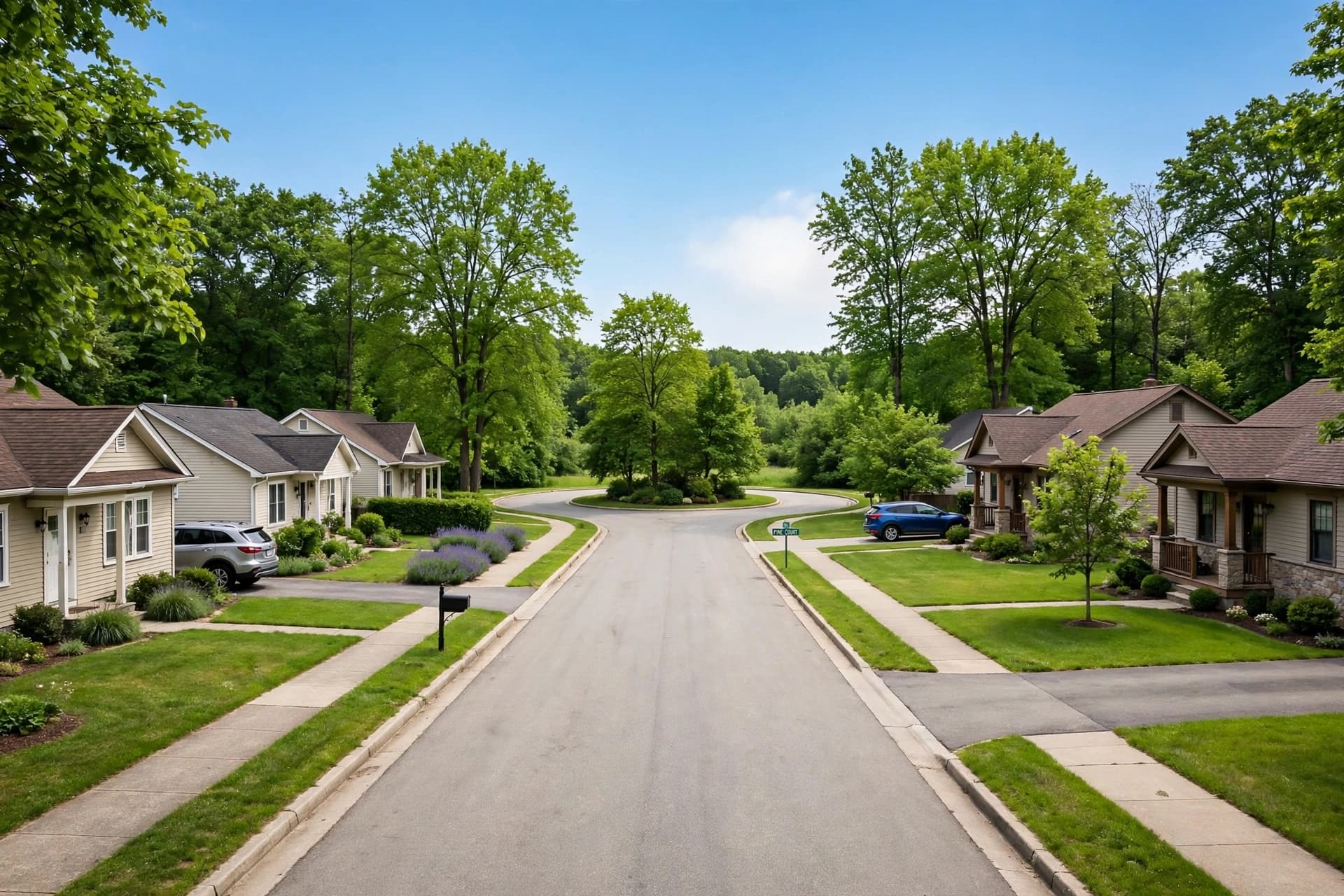
AI Image Disclaimer The visuals accompanying this article were generated with AI as conceptual representations and are not photographs of the actual forest areas discussed.
Sources Reuters National Parks Board Singapore Ministry of National Development Singapore Nature Society Singapore National University of Singapore
Published by Banx Network. This article is part of the Banx decentralized media programme, powered by the BXE token on the XRP Ledger.