There are moments in the financial calendar when a single set of numbers seems to gather the attention of an entire industry. This week, that attention is settling around Nvidia, whose quarterly results are expected on August 26. Across trading screens and data centers, the company has become something more than a semiconductor manufacturer; its performance has become a reflection of how confidently the world is still building toward an artificial intelligence future.
The anticipation comes at a delicate moment for technology stocks. On August 24, the S&P 500 and Nasdaq closed lower as semiconductor and technology shares came under pressure. Nvidia, Micron Technology and Broadcom were among the companies weighing on the technology sector, while investors waited for clearer signals about the strength of AI-related demand.
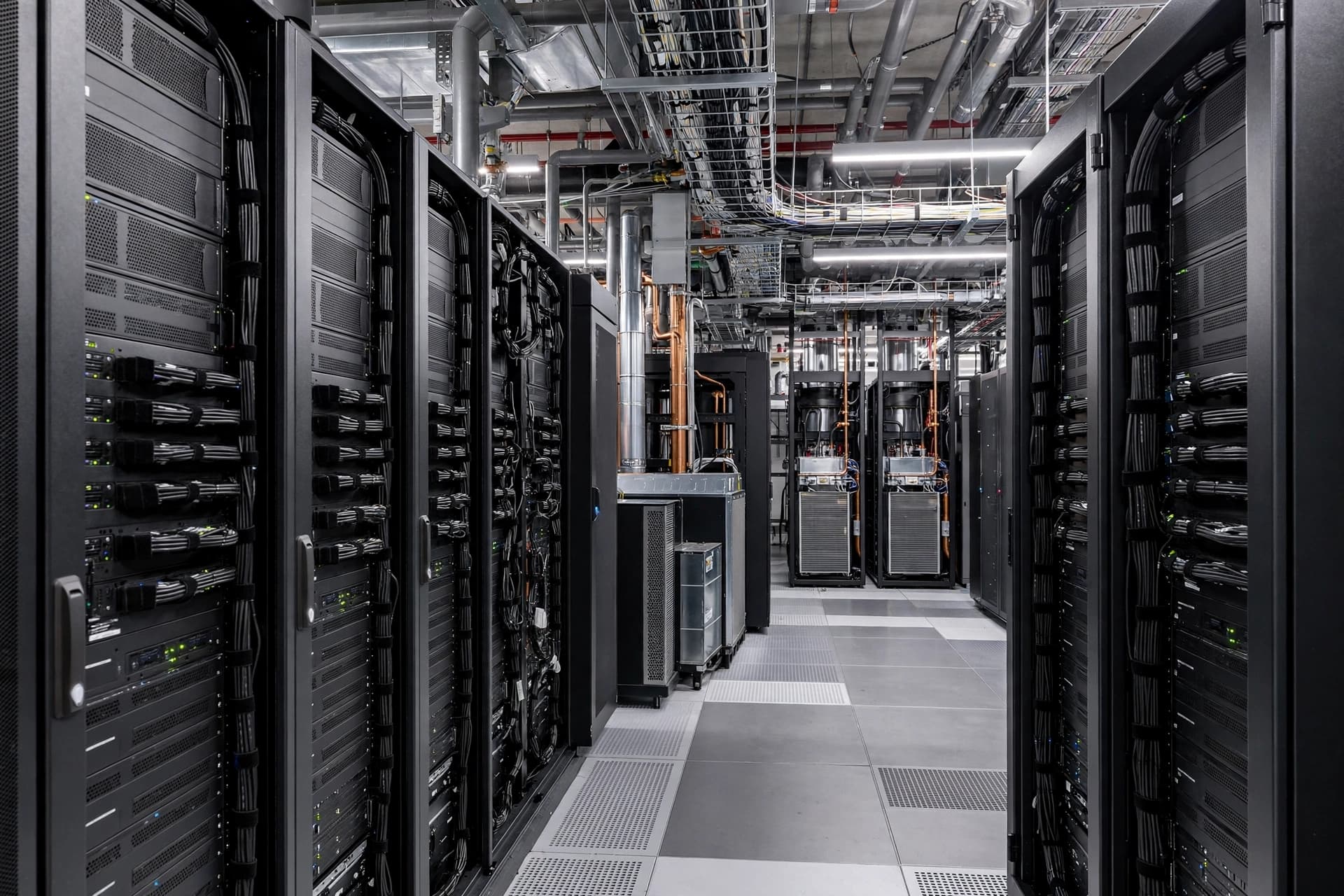
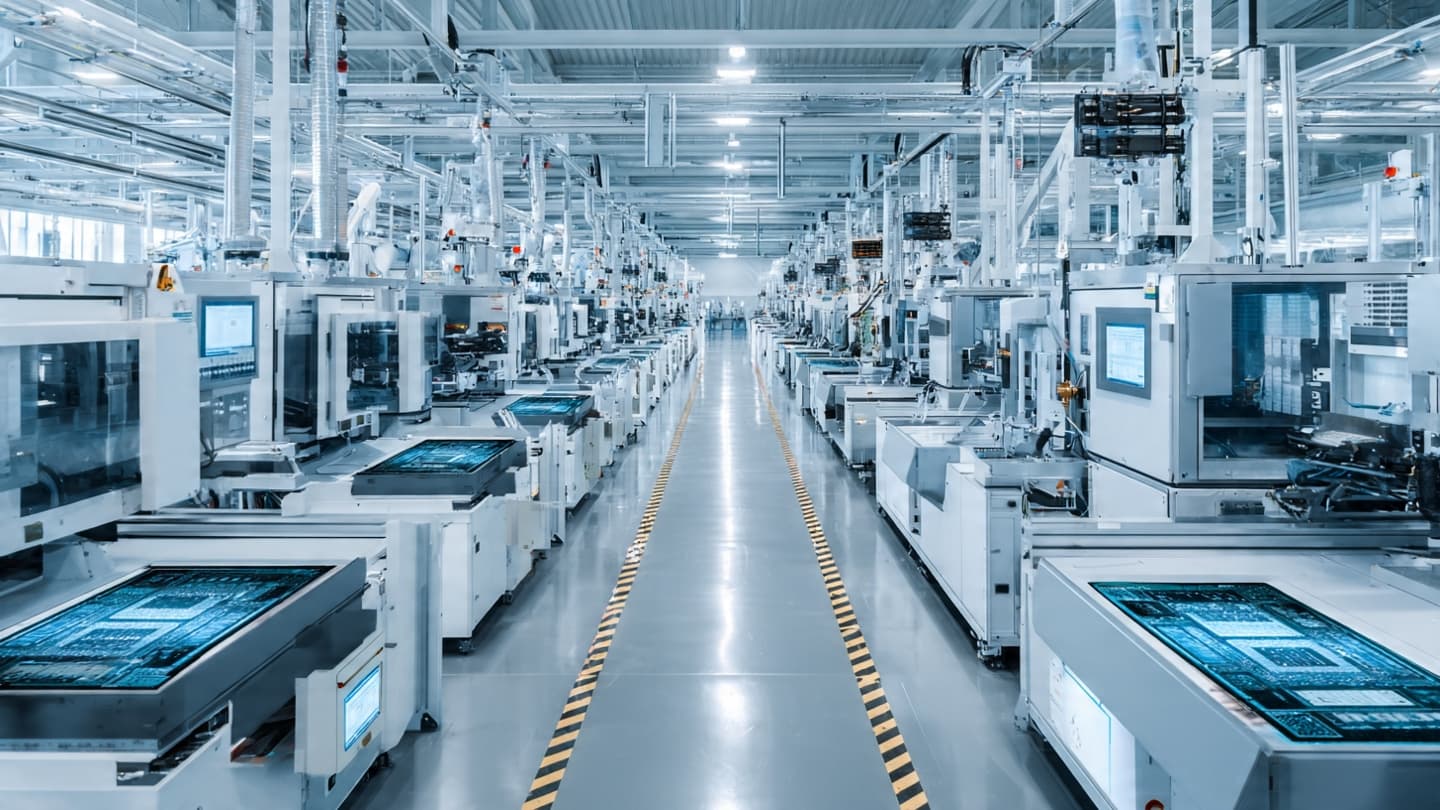
Nvidia occupies an unusual position within that landscape. Its graphics processors have become essential components in the vast computing systems used to train and operate advanced AI models. As companies build increasingly large data centers, demand for those processors has helped transform Nvidia into one of the clearest financial symbols of the current AI investment cycle.
The coming results therefore carry significance beyond revenue and earnings per share. Investors are watching for evidence that the enormous sums being directed toward AI infrastructure are continuing to translate into purchases of computing equipment. Nvidia's figures could offer one of the clearest glimpses yet into whether the spending cycle remains broad and durable or is beginning to encounter a slower rhythm.
The scale of that infrastructure effort is difficult to ignore. Nvidia recently joined six major financial institutions in financing platforms targeting more than $500 billion for AI infrastructure. The figure gives a sense of how deeply the technology has moved from the laboratory into the physical world, where servers, electricity, cooling systems and enormous buildings must grow alongside increasingly capable software.
Yet markets rarely move in a straight line. The recent decline in technology shares suggests that investors are beginning to look beyond the excitement surrounding AI and toward the practical question of how quickly those investments can generate returns. High expectations can make even strong results feel insufficient if they do not offer an equally strong view of what comes next.
That tension has placed Nvidia at the center of a wider conversation about the economics of artificial intelligence. The company is widely regarded as a proxy for the broader AI ecosystem, linking chip production to hyperscale data centers and the companies developing increasingly sophisticated AI systems. Its results may therefore be read as a signal for many businesses that are not directly part of the semiconductor industry.
There is also a quieter question beneath the numbers: how long can the extraordinary pace of infrastructure expansion continue? Building AI capacity requires enormous capital commitments, and the industry is still working out how those investments will translate into sustainable revenues. The answer will not arrive from one earnings report, but each quarter adds another piece to the picture.
For now, the market is waiting. Nvidia is scheduled to report its fiscal second-quarter results on August 26, while investors are also watching broader economic signals and the direction of technology shares. The immediate focus remains on whether the company's performance can confirm the strength of demand that has helped drive the AI infrastructure boom.
Published by Banx Network. This article is part of the Banx decentralized media programme, powered by the BXE token on the XRP Ledger.

.jpg&w=3840&q=75 "The Artemis Revolution: How NASA Plans to Build Humanity's Future on the Moon")