There are moments in markets that arrive not with a crash, but with a hush. A soft recalibration, almost polite in its movement, as numbers drift lower and expectations are gently adjusted. Intel’s recent share slide feels like one of those moments — less a verdict than a pause, inviting reflection on how ambition, cost, and time rarely move in perfect alignment.
The company’s latest earnings and outlook revealed a familiar tension in today’s technology landscape. Demand for artificial intelligence computing power continues to swell, pushing data centers and cloud providers to seek ever more capable chips. Intel, long a pillar of the semiconductor world, has positioned itself to answer that call. Yet meeting it has come at a growing cost, both financially and operationally, and investors have taken notice.
Shares fell after Intel projected revenue and profit for the coming quarter that landed below market expectations. The guidance did not suggest collapse or retreat, but it did underline the strain of heavy spending. Building advanced manufacturing capacity, refining next-generation processes, and competing in a market dominated by well-established AI chip leaders require patience — and capital. Margins, for now, reflect that burden.
Behind the figures lies a broader narrative of transition. Intel is navigating a shift from its traditional strongholds toward a future increasingly defined by AI workloads and specialized data-center demands. This journey is measured not only in innovation, but in factories brought online, yields improved over time, and supply chains that must bend without breaking. Each step forward carries costs that surface long before rewards fully materialize.
Executives have acknowledged that while interest in Intel’s AI-focused products is strong, production constraints and ramp-up challenges have limited how quickly that demand can be fulfilled. The result is a gap between what the market hopes to see and what the company can deliver in the near term. For investors, this gap often becomes a space of uncertainty, reflected in cautious trading rather than outright rejection.
The broader industry context deepens the picture. Rivals with established AI accelerators continue to move quickly, while pricing pressures and global competition compress the room for error. Intel’s effort to rebuild momentum is unfolding in full view of markets that have grown impatient with long timelines, even as they celebrate long-term visions.
Still, this moment is not without perspective. Stock movements capture sentiment in real time, but they rarely tell the entire story. Intel’s investments suggest a company preparing for years ahead, even as the present demands restraint and recalibration. The path toward relevance in an AI-driven world appears less like a sprint and more like a measured crossing, where costs arrive first and confidence follows later.
For now, the slide in Intel’s shares reads less like a closing chapter and more like a quiet comma — a reminder that in the race to power tomorrow’s machines, even the most established names must carry the weight of the journey.
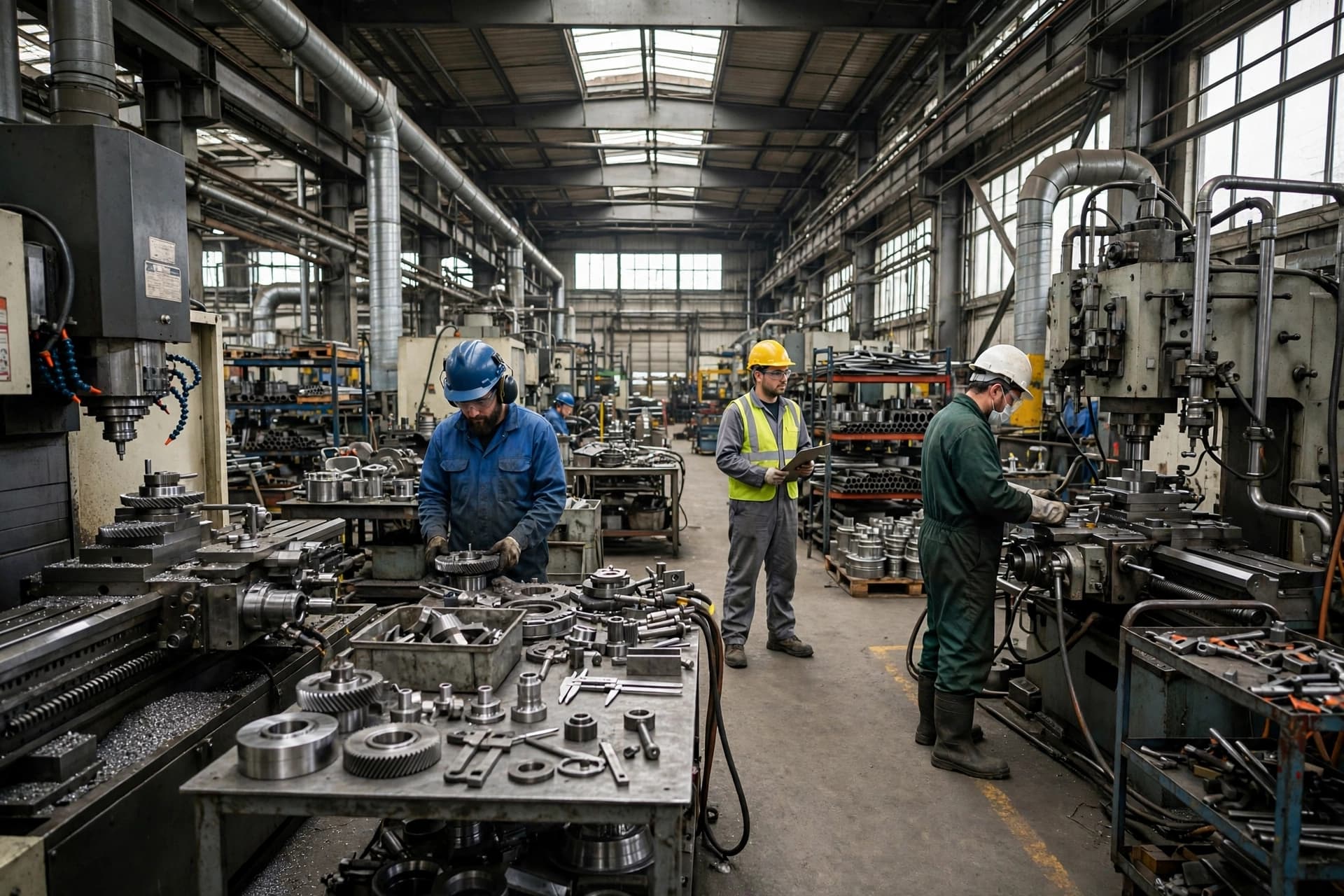
AI Image Disclaimer (rotated wording) “Graphics are AI-generated and intended for representation, not reality.”
Sources (media names only):
Reuters The Wall Street Journal Financial Times Bloomberg Business Insider
Published by Banx Network. This article is part of the Banx decentralized media programme, powered by the BXE token on the XRP Ledger.