Evening settles softly over Tehran, the city’s lights flickering on as traffic hums along familiar routes. From balconies and rooftops, voices once rose cautiously, then more clearly, carried by night air that seemed to invite both risk and resolve. In these moments, power is no longer measured only by uniforms or decrees, but by something more elusive: whether silence still arrives on command.
For decades, the Islamic Republic’s most reliable instrument has not been its missiles or its militias, but fear itself. Fear shaped daily routines, constrained language, and taught generations when to look away. It worked quietly, reinforcing authority without constant display. Yet recent months have suggested that this tool, once finely tuned, no longer carries the same weight.
Waves of protests over economic strain, social restrictions, and political exclusion have returned with persistence. Though often suppressed, they have reappeared across cities and towns, led largely by young Iranians who have known little beyond the current system. Their defiance has not always been loud or organized, but it has been steady enough to signal a shift. The cost of dissent remains high, yet participation continues, suggesting a recalibration of risk that no longer favors automatic compliance.
The state has responded with familiar measures. Security forces patrol streets, arrests follow demonstrations, and access to the internet narrows during moments of unrest. These actions still exert force, but their deterrent effect appears diminished. Each cycle of protest and crackdown seems to leave behind a residue of experience, teaching citizens not only what can be lost, but what can be endured.
Beyond Iran’s borders, the image of the regime has also changed. Regional influence remains, sustained through allies and proxy groups, yet it faces new constraints. Economic pressure, diplomatic isolation, and military tensions have narrowed the margin for maneuver. At the same time, the leadership’s ability to project absolute confidence has been eroded by visible domestic unease. Authority, once presented as immovable, now appears more carefully managed, more defensive.
Analysts have noted that fear functions best when it is unquestioned. Once challenged openly, it must be reinforced continually, and reinforcement carries its own risks. Each visible act of repression becomes a reminder that control is not effortless. For a government built on the promise of stability and resistance, this is a subtle but significant change.
None of this suggests imminent collapse. The Iranian state retains formidable instruments of power, institutional depth, and loyal constituencies. History offers many examples of regimes that adapt rather than fall, tightening some controls while loosening others. Yet the balance has shifted. Fear, once sufficient on its own, now competes with fatigue, frustration, and a sense among many that the future is already uncertain.
In this space between endurance and expectation, Iran continues to move forward, day by day. Markets open, schools resume, prayers are observed, and conversations carry on behind closed doors. But beneath these routines, something has altered. The quiet that once followed a warning is no longer guaranteed.
Iran’s leadership faces a population less easily subdued by threat alone, even as protests remain constrained and opposition fragmented. What comes next will depend on choices made by both state and society, within a system still firmly in place but increasingly tested by time.
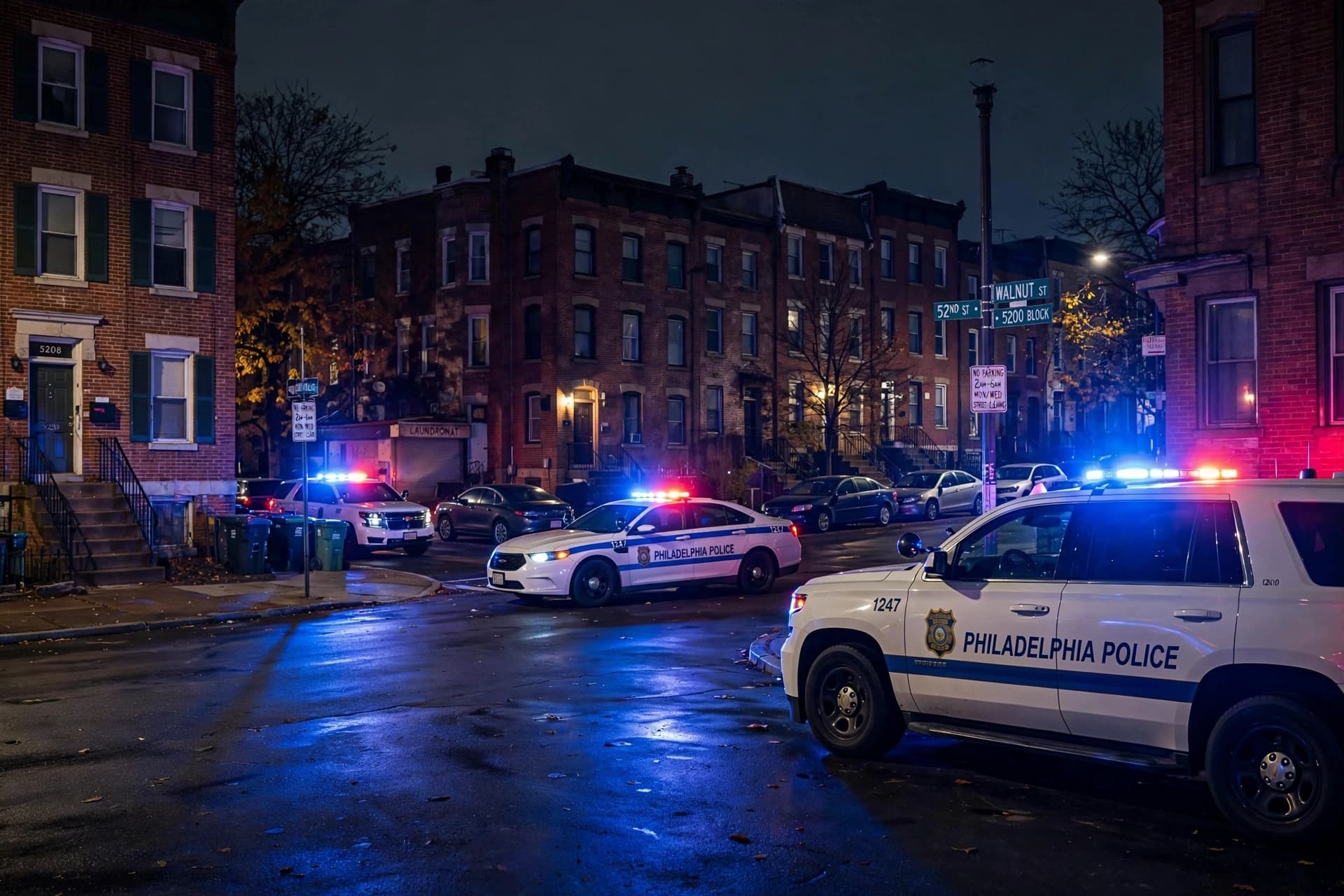
AI Image Disclaimer Visuals are AI-generated and serve as conceptual representations.
Sources (Media Names Only) Reuters Associated Press BBC News Al Jazeera The Atlantic
Published by Banx Network. This article is part of the Banx decentralized media programme, powered by the BXE token on the XRP Ledger.