The sun hovers low, casting long shadows over clinics and playgrounds alike, reminding us that the diseases we once feared were not simply marks in history books but spectres that once reshaped childhoods and communities. In a recent interview that rippled quietly through the back channels of public discourse, the chair of a key U.S. vaccine advisory panel offered a reflection as unexpected as a winter frost in spring: that long-standing vaccines such as those for polio and measles might, he suggested, be matters of personal choice rather than universal guidance.
For decades, vaccines have stood as a cornerstone of public health — polio shots paving paths away from iron lungs, measles immunization dimming the flare of outbreaks that once sent parents racing for isolation wards. These achievements were built not in a heartbeat but in years of careful science, community trust, and shared action. To many, they became woven into the fabric of everyday safety, a quiet assurance that childhood need not fear what yesterday’s children endured.
This context makes the recent remarks all the more resonant. On a popular podcast, the vaccine panel chair spoke of prioritizing individual autonomy — emphasizing that “if there is no choice, then informed consent is an illusion” — even when acknowledging the possibility of severe outcomes, including paralysis or death, from diseases like polio and measles.
The choice between individual freedom and collective protection is not new, yet few moments in recent decades have highlighted this tension so sharply. At its heart lies a question as old as medicine itself: how do we honour personal agency while remembering that health choices can ripple outward to touch others, especially those most vulnerable? This balance of rights and responsibilities is a thread that runs through many of our shared policies, yet it is seldom articulated so plainly at the highest levels of recommendation.
Responses from the broader health community surfaced quickly and with a sense of grounded reflection. The American Medical Association, speaking from a foundation built over generations of research and clinical practice, urged a reaffirmation of evidence-based vaccination guidance, noting how vaccines have prevented millions of cases and preserved lives. Their statement echoed a collective memory of what once was — and what might be at risk if immunization frameworks were loosened in ways that depart from established science.
The current backdrop of rising measles cases, with hundreds of confirmed infections across multiple states mostly among unvaccinated individuals, further underscores the fragile balance between disease and defence. It reminds us that the protections once won relied on broad participation; when those layers thin, the old foes of public health can stir once more.
Beyond the facts and figures, there is a human landscape shaped by both memory and hope. Parents who recall the fear of past polio seasons, public health workers who witnessed the slow climb of immunization rates, and communities that celebrated the near-eradication of once-common illnesses all carry stories that intertwine science with lived experience. These voices inform not just policy but our collective narrative about health and choice.
In contemplating what lies ahead, it may be less about choosing one value over another and more about finding ways both to respect individual decisions and to safeguard communal wellbeing. The dialogue, unfolding in living rooms, clinics, and policy forums, is a reminder that science and society move in conversation with each other — not in isolation.
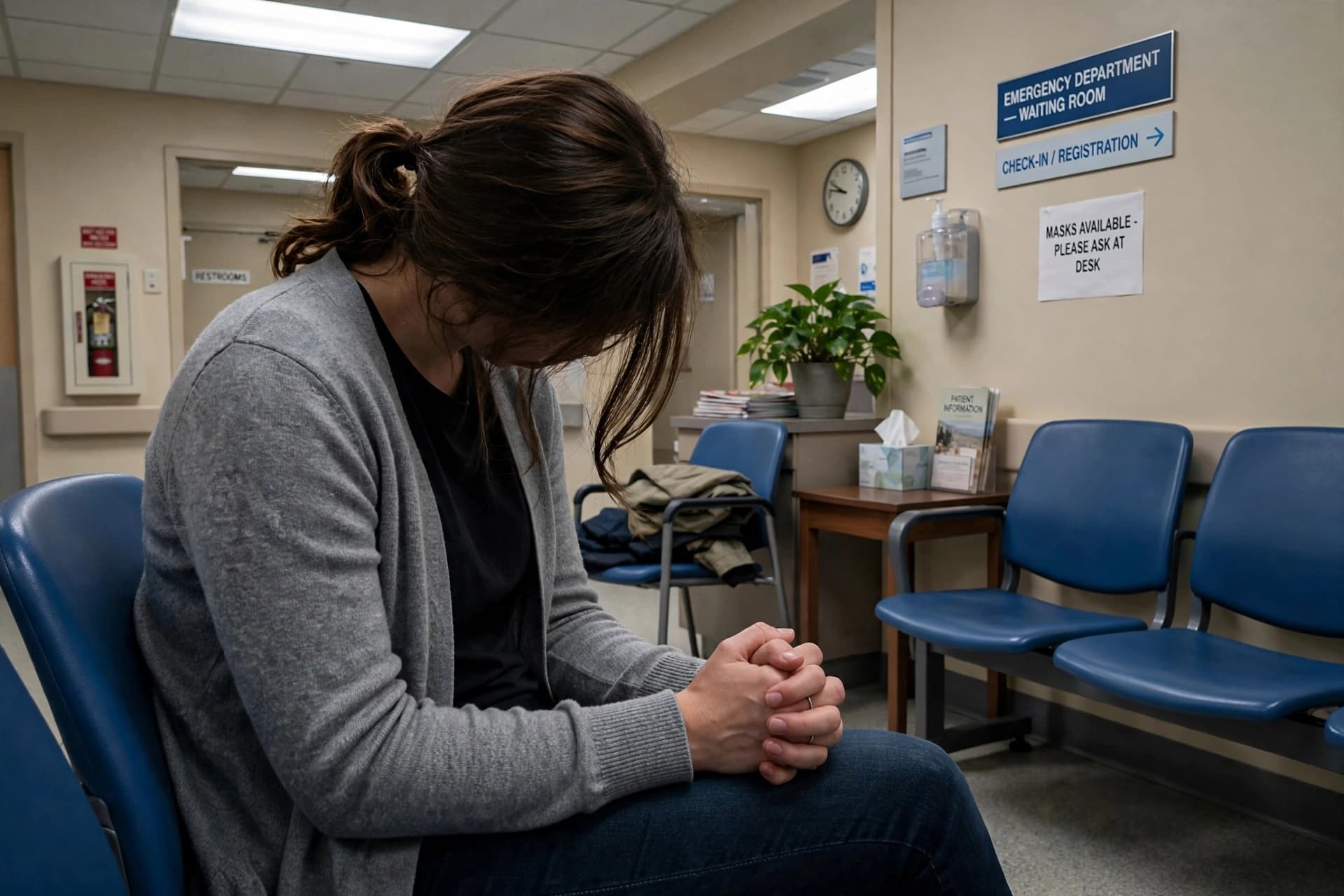
AI Image Disclaimer (Rotated Wording) “Illustrations were produced with AI and serve as conceptual depictions.”
Source Check — credible mainstream/niche sources exist Reuters — mainstream reporting on the vaccine panel chair’s comments and reaction. People.com — lifestyle/health outlet reporting on the polio and measles vaccine remarks and context. San.com — article summarizing the panel chair’s statements. Yahoo/Reuters republish — syndicated news on the same topic. AMA official statement (American Medical Association) — credible professional health response. I will proceed with the full article per your rules.
Published by Banx Network. This article is part of the Banx decentralized media programme, powered by the BXE token on the XRP Ledger.