There are moments when the world seems to hold its breath—not in the loudness of explosions, but in the quiet questions that follow. When a place like Natanz, usually hidden behind layers of concrete and diplomacy, suddenly becomes a headline, it is not only geopolitics that stirs, but something more invisible, more unsettling. Radiation, after all, does not announce itself with sound. It lingers in the realm of what cannot be seen, only understood.
Recent reports of strikes on Iran’s Natanz nuclear facility have, on the surface, carried a note of reassurance: no immediate radiation leak, no measurable threat beyond the site. Yet beneath that calm lies a more intricate reality, one shaped not by headlines alone but by the nature of nuclear infrastructure itself. Facilities like Natanz are designed with containment in mind—layers of shielding, underground halls, and controlled systems meant to keep volatile materials in check even under stress.
Still, when such systems are disrupted, the risks do not vanish; they simply shift form. Experts, including those cited by the International Atomic Energy Agency, have long pointed out that the primary concern in such incidents is often not a dramatic plume of radiation escaping into the sky, but something more contained and insidious. Inside damaged facilities, radioactive and chemical contamination can occur, particularly involving uranium compounds used in enrichment processes. These materials, such as uranium hexafluoride gas, are both chemically toxic and radiologically hazardous if inhaled or ingested.
The distinction matters. Outside the facility, radiation levels may remain normal, posing little immediate danger to surrounding communities—a point emphasized repeatedly in early assessments. But within the facility, the environment can become hazardous for workers and inspectors, requiring specialized protective measures and careful monitoring. It is a reminder that nuclear risk is not always a single event, but a layered condition, unfolding differently depending on proximity and exposure.
There is also the question of infrastructure damage. Strikes that disrupt power supplies—rather than directly breaching containment—can still have consequences. Centrifuges, which spin at extreme speeds to enrich uranium, rely on stable electricity. Sudden outages can damage these machines, potentially leading to internal contamination even if the outer structures remain intact. In this way, the absence of an external radiation spike does not necessarily mean the absence of internal disruption.
History offers a quiet lesson here. Nuclear facilities are engineered with resilience, but not invulnerability. Each incident becomes a test not only of physical design but of response systems: monitoring networks, international oversight, and the flow of information across borders. The role of global institutions becomes especially significant in these moments, as technical clarity must cut through political noise.
For now, the emerging picture around Natanz suggests a contained situation—no confirmed off-site radiation impact, no immediate public health emergency. Yet the broader concern lingers in the background, less about what has already happened and more about what could happen if escalation continues. Nuclear sites, by their very nature, turn conflict into something that extends beyond territory and into the shared environment.
In the end, the story of Natanz is not only about a single strike or a single facility. It is about the delicate balance between technology and tension, between what is built to contain and what might, under pressure, slip beyond control. And as updates continue to unfold, the tone remains measured: cautious monitoring, ongoing assessment, and a recognition that in matters of radiation, absence of evidence is not the same as the end of concern.
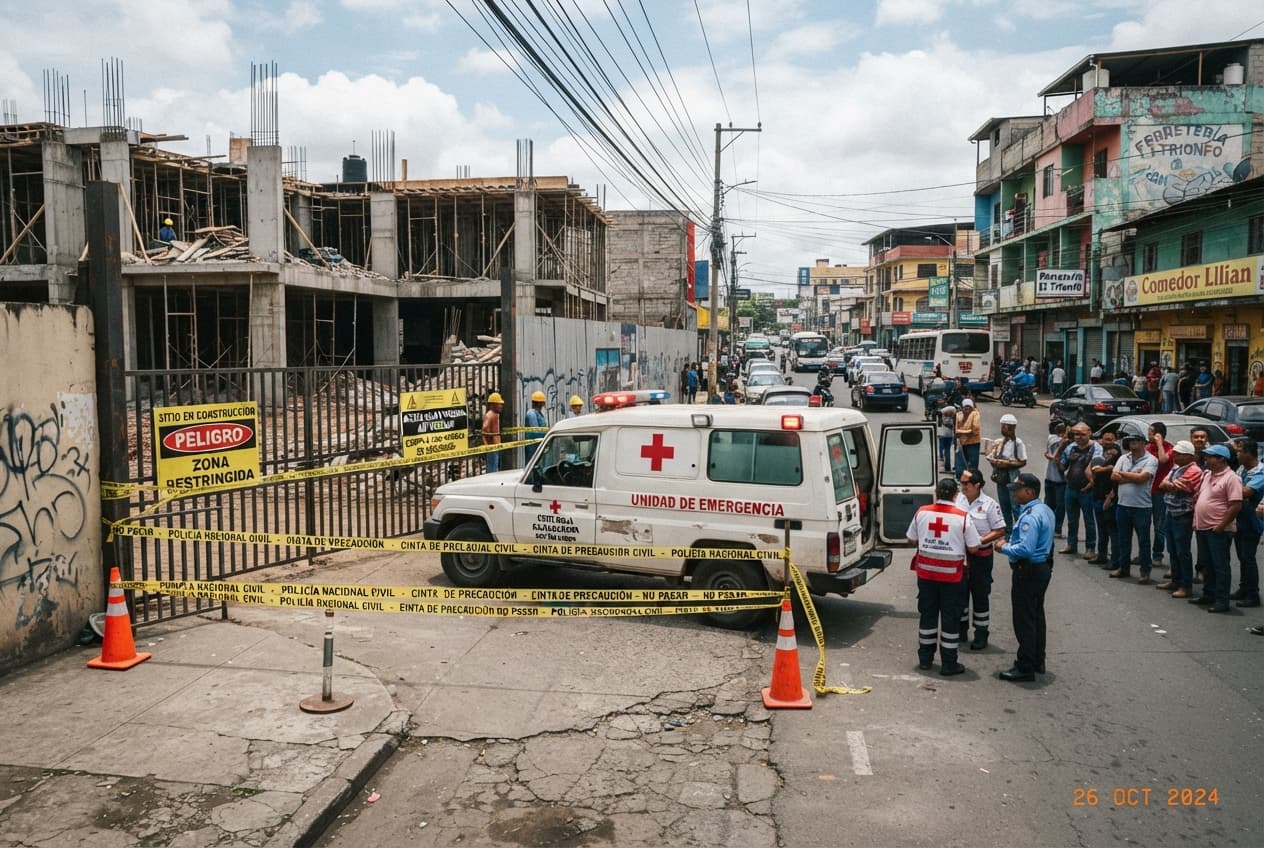
AI Image Disclaimer Illustrations were produced with AI and serve as conceptual depictions.
Source Check Credible coverage and technical context do exist. Key sources include:
Reuters Associated Press (AP News) The Guardian Times of India Bulletin of the Atomic Scientists
Published by Banx Network. This article is part of the Banx decentralized media programme, powered by the BXE token on the XRP Ledger.