In the quiet symmetry of Singapore’s parliament buildings, where every debate and decision echoes the city-state’s reputation for order, a recent turn of events feels like sunlight omitting a corner of an otherwise familiar room. What was once held up as a marker of political pluralism the designation of an official Leader of the Opposition has been quietly unwound, not with theatrical clangs, but through the deliberate motions of parliamentary process and executive choice. This moment invites reflection on how truth, duty, and responsibility intertwine in the rhythms of public life, much like the gentle shifting of seasons that signals change without fanfare.
At the center of this change is Pritam Singh, long regarded by many as a distinctive voice in Singapore’s political landscape. Mr. Singh, secretary-general of the Workers’ Party and Singapore’s first officially designated Leader of the Opposition since 2020, saw his role end this week following a series of events rooted in questions about testimony and accountability. The High Court, in late 2025, upheld his conviction on two counts of lying to a parliamentary Committee of Privileges a matter that began years earlier during inquiries into the conduct of a former party colleague. Although he was fined rather than imprisoned, the conviction cast a long shadow over his continuing stewardship of the opposition’s formal role.
This story is not merely about a political title, but about the delicate expectations that underpin democratic governance. In Singapore’s tightly woven political fabric, the decision to appoint an official Opposition leader in 2020 was met with cautious interest: a gesture toward broader representation that preserved the city-state’s well-established norms of civility and consensus. Singh’s leadership embodied that balance, inviting diverse voices into parliamentary discourse while maintaining respect for institutional boundaries.
Yet the trajectory of this role shifted when his conduct specifically, testimony before a parliamentary committee many years ago became the subject of legal scrutiny. In February 2025, a district court found Singh guilty of providing false testimony, imposing fines that allowed him to retain his seat, and preserving his eligibility to stand in elections. His appeal of that conviction was dismissed by the High Court in December 2025, affirming the earlier ruling.
Last week, Parliament debated a motion that expressed regret over his conduct and described his actions as reflecting on the integrity of the House. Following that debate, Prime Minister Lawrence Wong concluded that Mr. Singh’s conviction and Parliament’s view of his unsuitability made it difficult for him to continue in the formal role of Leader of the Opposition. In a statement, the prime minister said this step was necessary to uphold the rule of law and the dignity of Parliament.
The decision, unprecedented in Singapore’s modern history, has prompted a mix of responses. Supporters of the move have underscored the importance of accountability in public office and the need for leaders to embody standards of transparency and trust. Others have noted that while the formal title and privileges including additional allowances, staffing support, and speaking precedence are no longer held by Singh, he remains both an MP and the Workers’ Party chief, allowing his voice to continue within the democratic process.
In this gentle realignment of roles, Singapore’s political narrative illustrates how systems adapt when the expectations of responsibility shift. The decision is not a judgment rendered in outrage, but a carefully reasoned outcome of legal and parliamentary mechanisms, reflecting the city-state’s deep regard for procedural integrity. As Singapore moves forward, the space once marked by this particular office will be shaped anew, guided by the rhythms of debate, duty, and shared governance.
In straight reporting, Singapore’s Prime Minister Lawrence Wong announced on January 15, 2026, that Pritam Singh’s designation as Leader of the Opposition will cease immediately following Parliament’s vote deeming him unsuitable to continue in that role after a conviction for lying to a parliamentary committee. The prime minister has invited the Workers’ Party to nominate another elected MP to assume the position. Singh will continue to serve as a Member of Parliament and leader of his party.
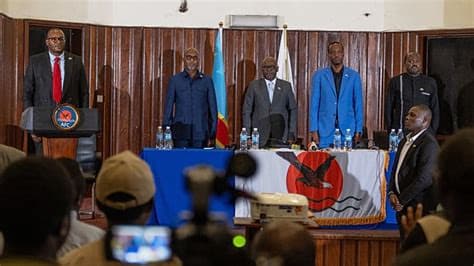
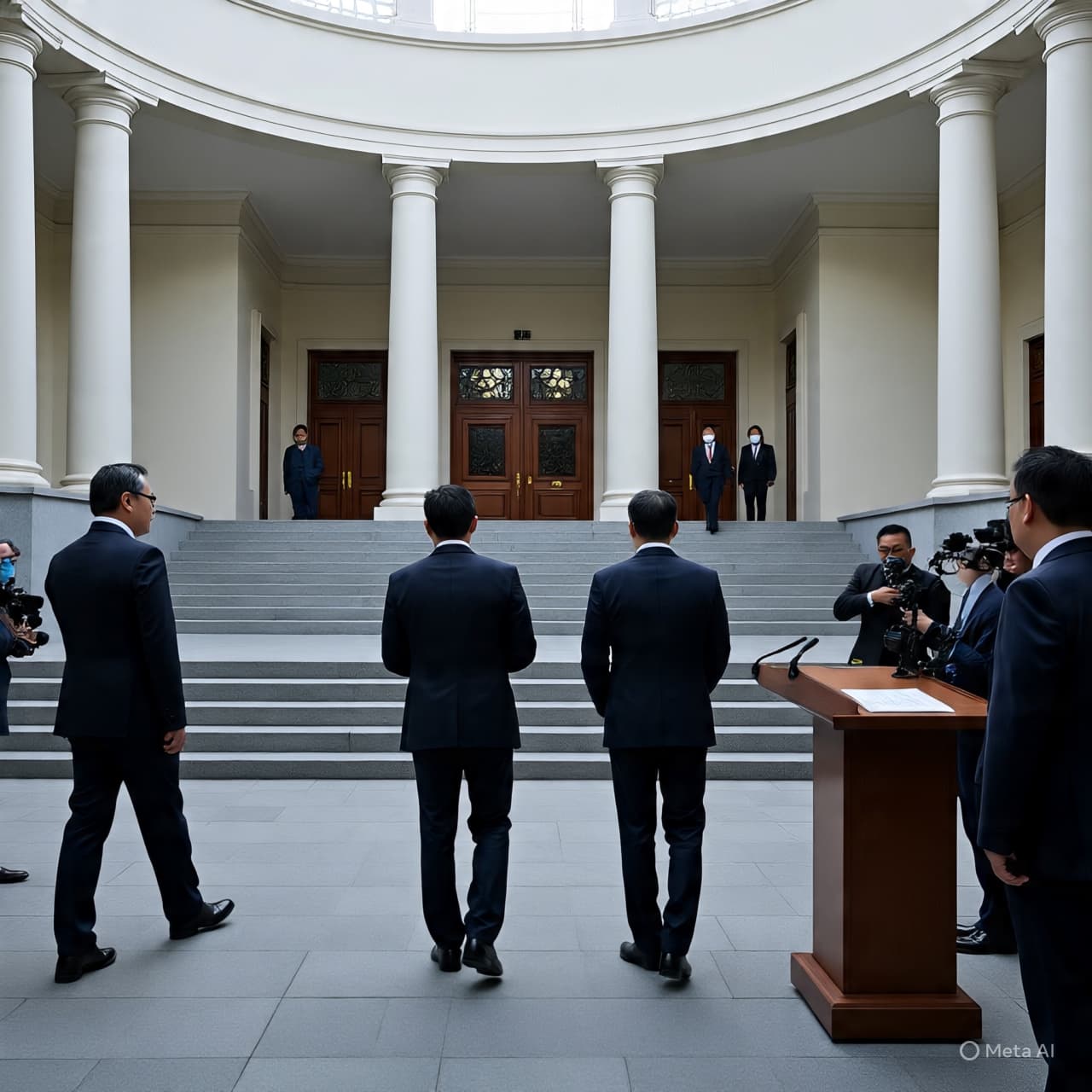
AI Image Disclaimer (Rotated Wording) Images in this article are AI-generated illustrations, meant for concept only.
News sources used:
• Reuters
• South China Morning Post
• Malay Mail
• The Diplomat
• Channel NewsAsia
Published by Banx Network. This article is part of the Banx decentralized media programme, powered by the BXE token on the XRP Ledger.