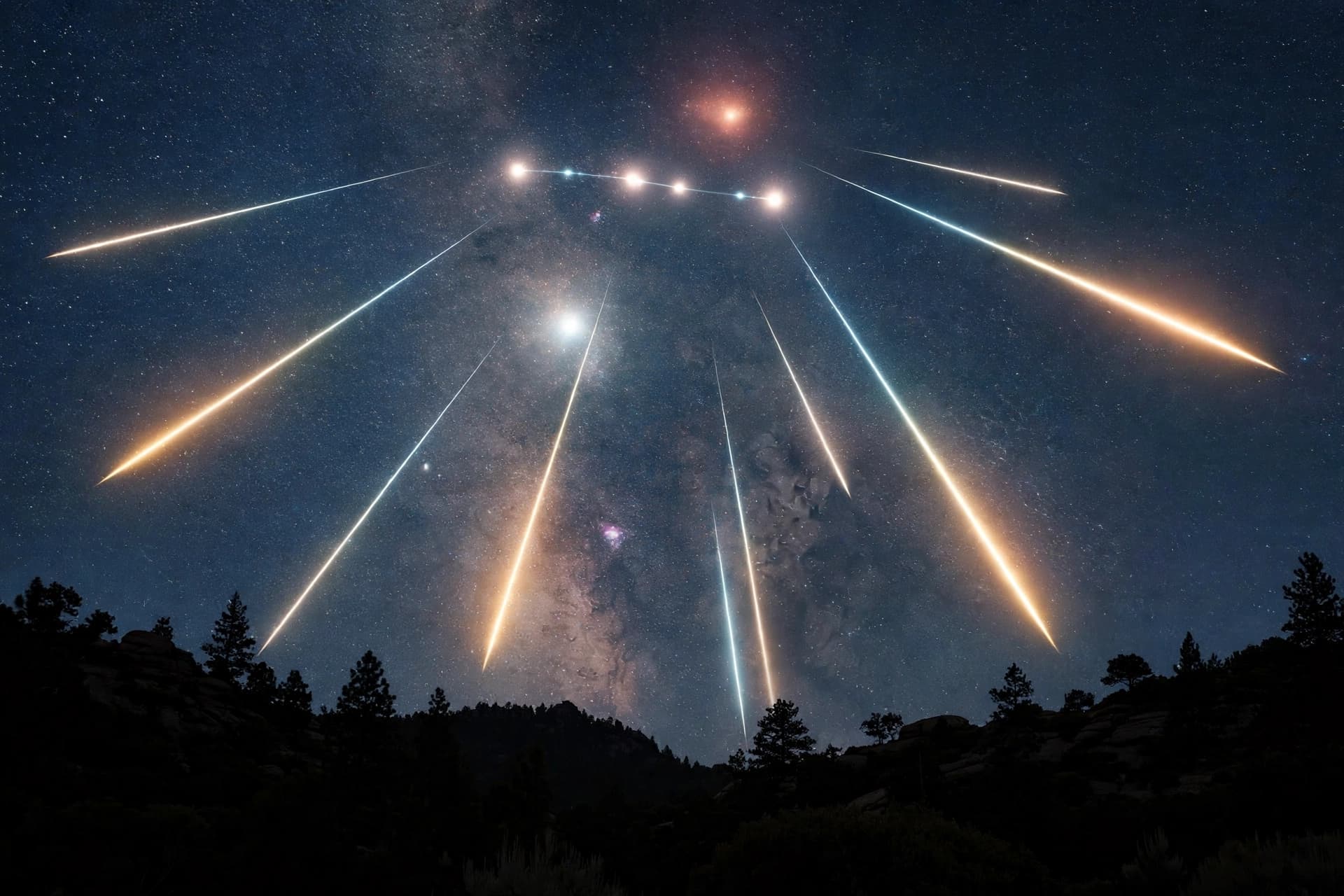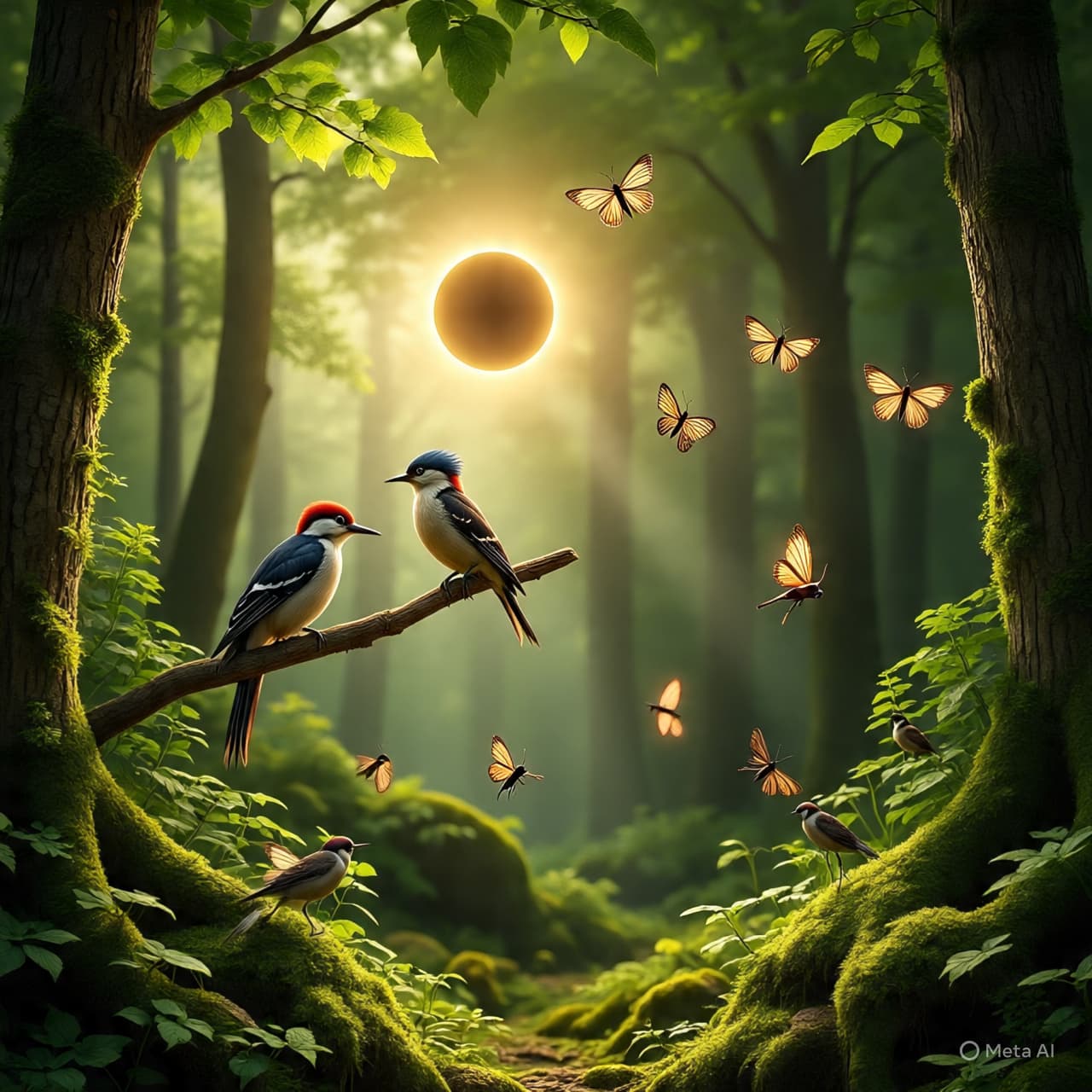
On the morning of the 2024 eclipse, a peculiar hush spread across landscapes large and small. Birds quieted mid-flight, insects paused their daily hum, and livestock altered their routines, as though the sky itself had whispered a secret. Scientists observing these reactions sought to understand how animals perceive and respond to the fleeting darkness that crossed continents in hours.
Eclipses, rare and transient, cast shadows that temporarily upend familiar patterns of light and temperature. Animals, tuned to rhythms of day and night, respond instinctively. Researchers recorded unusual behavior: nocturnal species stirring, diurnal animals pausing, and even subtle changes in vocalizations and movement. These observations underscore a delicate attunement to natural cycles that humans often overlook.
There is poetry in this fleeting alignment of cosmic and earthly rhythms. In the quiet, one glimpses the intimate connections between creatures and celestial events, a reminder that life is shaped not just by seasons and climate, but by the movements of the heavens themselves. Observing these reactions is to witness a dialogue written in instinct, perception, and timing—an ancient conversation between Earth’s inhabitants and the sun, preserved across millennia.
As the shadow passed and light returned, life resumed its ordinary cadence, leaving scientists with data and the rest of us with a lingering sense of wonder. The eclipse was more than a spectacle; it was a subtle probe into the minds and behaviors of creatures who share our world, revealing how even the briefest cosmic events can ripple through the rhythms of life.
AI Image Disclaimer Visuals are AI-generated for illustrative purposes.
Sources National Geographic Science Daily Smithsonian Institution American Astronomical Society Journal of Animal Behavior
Published by Banx Network. This article is part of the Banx decentralized media programme, powered by the BXE token on the XRP Ledger.