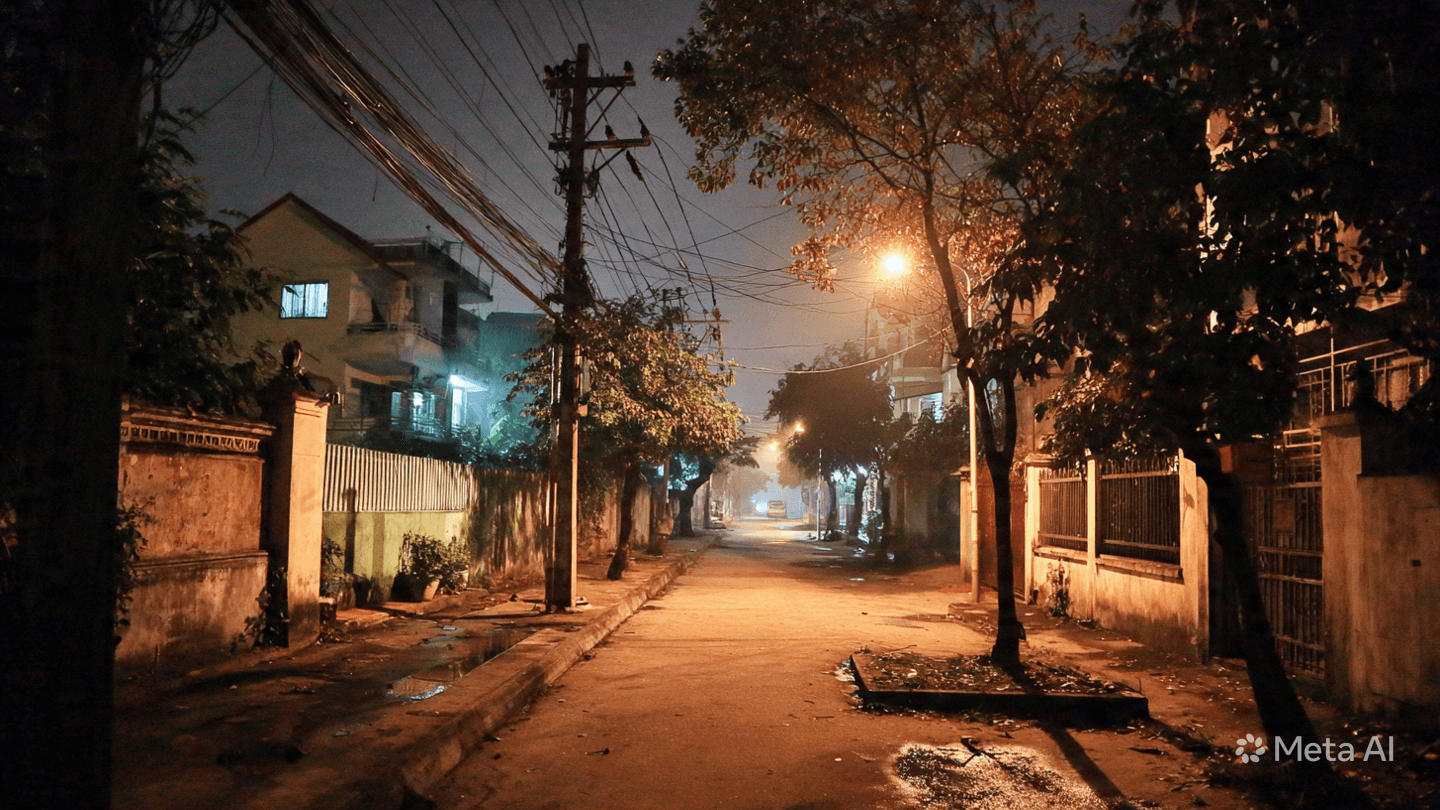
The morning light usually filters through the trees of the Bai Bang residential quarter with a kind of persistent, soft neutrality, indifferent to the lives unfolding beneath its reach. On this particular Sunday, however, that familiar light seemed to hold a different quality, as if the very air had thickened with the weight of an occurrence that defies easy contemplation. There is a profound, unsettling stillness that follows a sudden rupture in the rhythm of a community, a space where the ordinary boundaries of neighborly life are abruptly pushed aside by the harsh intrusion of human despair.
In the quiet corners of Bac Ninh, homes are often considered sanctuaries of routine and shared expectation, places where the pulse of the day is measured by the coming and going of voices. Yet, when that rhythm is broken by violence, the echoes do not dissipate; they settle into the architecture of the place, becoming a part of the local history. Four lives have been extinguished, a family structure fractured beyond repair, leaving those who remain to confront the sudden, hollow absence left in the wake of a relationship that had darkened beyond the reach of reason.
The incident itself, centered within the private walls of a two-story residence, points to the complexities of human connection and the volatility that can reside behind closed doors. It is a stark reminder that the most profound tragedies often occur in spaces we consider most secure. When conflict escalates within the domestic sphere, it carries a weight that reaches far beyond the individuals directly involved, ripple-effecting through the consciousness of an entire ward and forcing an examination of the invisible threads that tether us to one another.
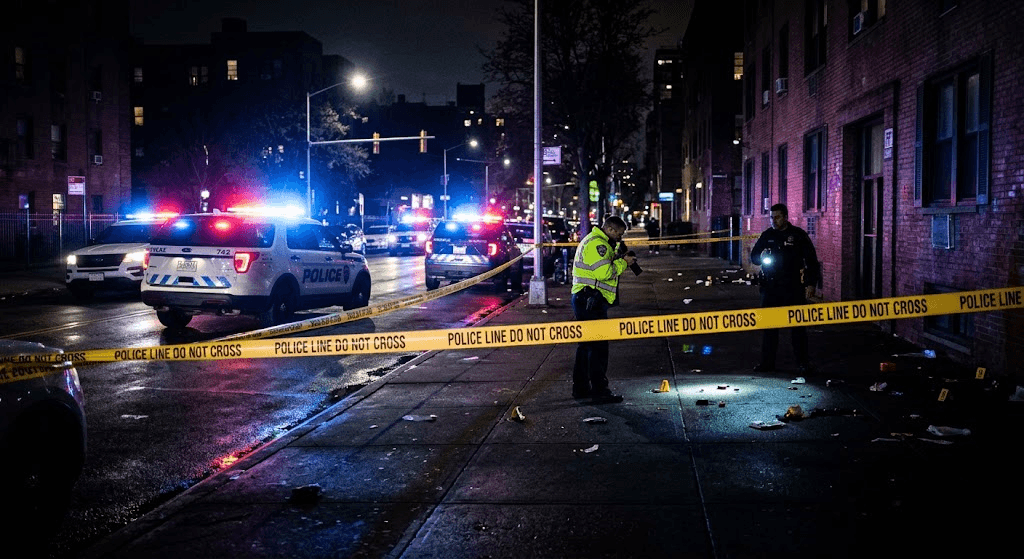
Authorities arrived to find a scene that silenced the neighborhood, a somber testament to the gravity of the events that transpired. Forensic teams moved with deliberate care, their presence marking the shift from a lived-in space to one of investigation and formal record. It is in these moments that the contrast between the normalcy of a weekend and the finality of death becomes most acute, leaving the community to navigate the dissonance between the reality they knew and the one they are now forced to inhabit.
The sequence of events, while still being carefully charted by those tasked with finding answers, suggests a volatile collision of personal circumstances that culminated in a tragic, irreversible act. As the investigation progresses, the focus remains on piecing together the timeline, an exercise that feels less like discovery and more like a mourning process for the community at large. Every detail uncovered serves as a reminder of the fragility inherent in our daily existence and the suddenness with which a life, or multiple lives, can be extinguished.
There is no solace to be found in the mechanics of such a tragedy, only a somber acknowledgment of the human capacity for profound loss. As the residential quarter of Bai Bang attempts to find its footing once more, the incident remains a lingering presence, a reminder of the shadows that can grow in the quietest places. The focus of the authorities has been to secure the environment and ensure that the process of inquiry is conducted with the solemnity the situation demands.
In the aftermath, the local officials have worked to manage the perimeter of the loss, maintaining the integrity of the scene while the community grapples with the sudden silence of their neighbors. The process is necessarily analytical, focused on the collection of evidence and the establishment of a factual narrative, yet it unfolds against a backdrop of communal grief that defies cold documentation. It is the intersection of law and human suffering that defines this moment for the province.
As the sun sets over Bac Ninh, the urgency of the investigation continues to unfold, guided by the protocols of the provincial Police Investigation Agency. They labor under the weight of an entire community’s confusion, their work the only bridge between the raw emotion of the immediate aftermath and the eventual clarity that the law requires. For now, the focus is on the steady, methodical accumulation of facts, ensuring that every narrative thread is accounted for in the quiet, grim halls of justice.
The provincial police have officially confirmed the details surrounding the murder-suicide in Viet Yen Ward, which resulted in four deaths. Investigators report that the suspect, a 36-year-old male, carried out the attack using a knife before taking his own life. The victims include his 31-year-old partner and her two children, aged ten and six. One other individual, an 11-year-old girl, sustained injuries and was transported to the local hospital for emergency treatment. The police are continuing their forensic examinations and legal procedures to conclude the investigation.
Published by Banx Network. This article is part of the Banx decentralized media programme, powered by the BXE token on the XRP Ledger.