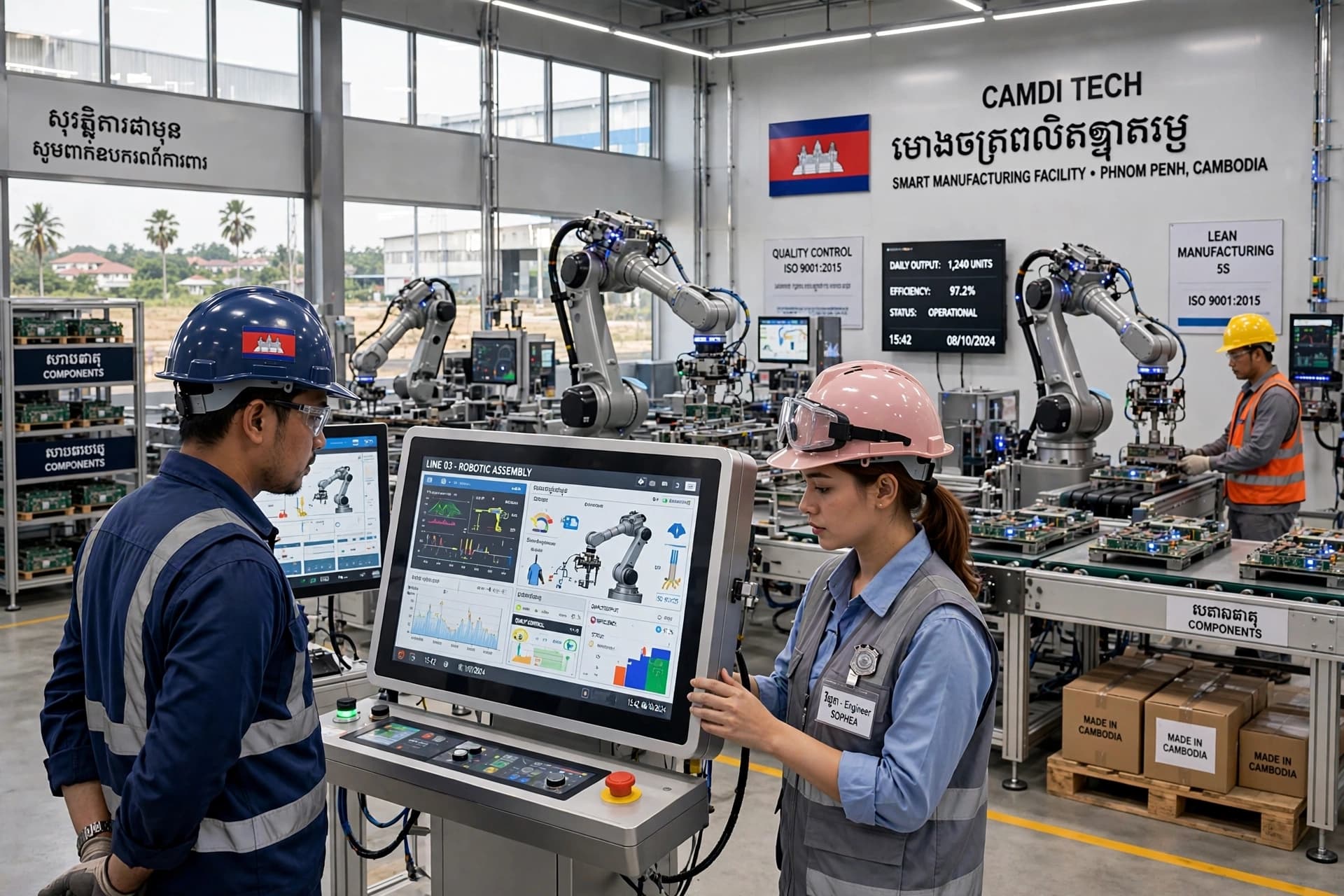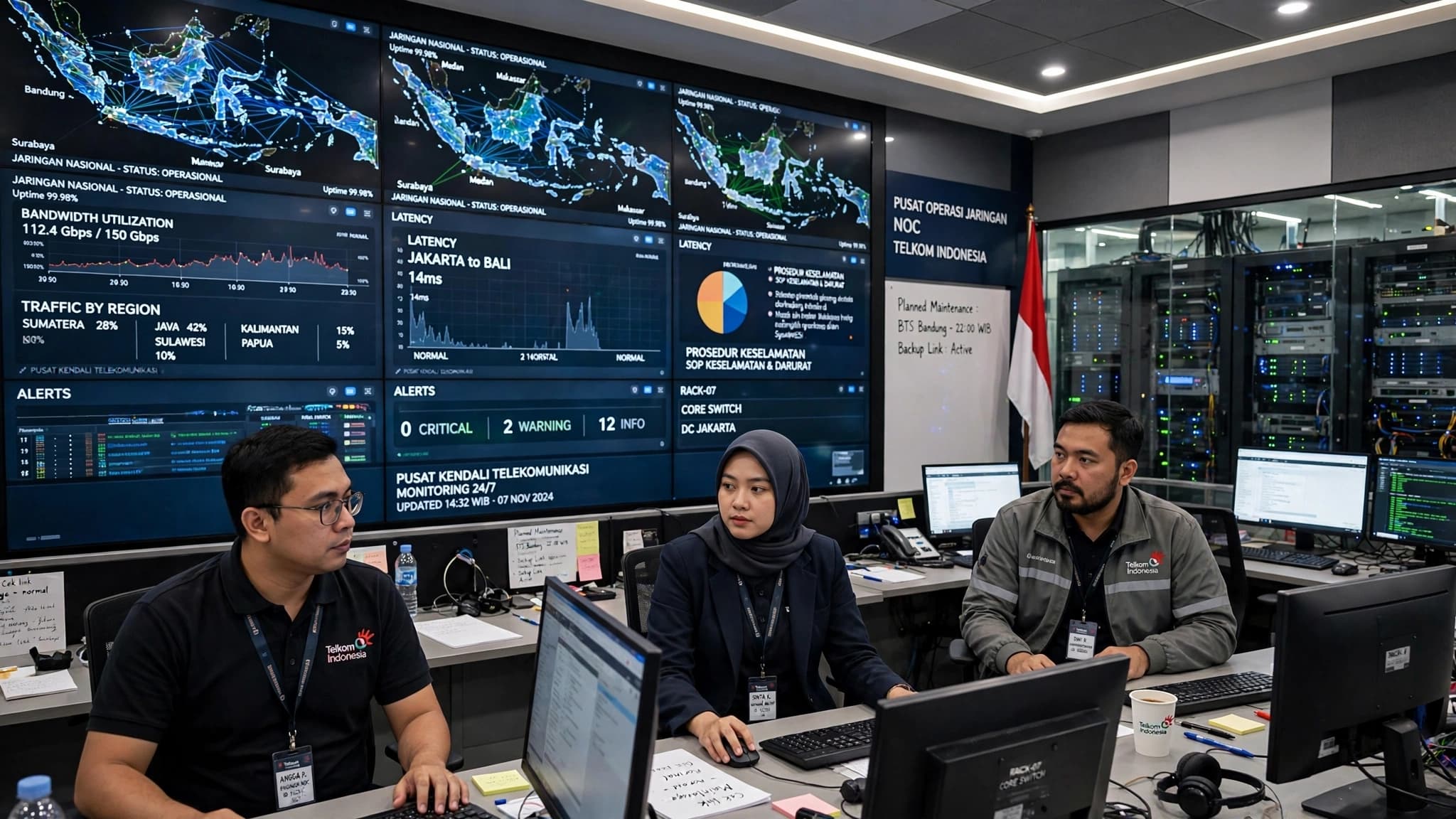
Japan’s manufacturing sector entered September with a stronger sense of confidence, supported by demand linked to semiconductors, artificial intelligence and data centers. The latest Reuters Tankan survey showed sentiment among large manufacturers rising to its highest level since December 2021, offering a glimpse of renewed momentum across important parts of the industrial economy.
The manufacturers’ sentiment index climbed to plus 21 in September from plus 18 in August. The increase continued a recovery that had become visible earlier in the year, when the index stood at plus 7 in April. The movement suggests that expectations across large manufacturers have strengthened gradually rather than changing overnight.
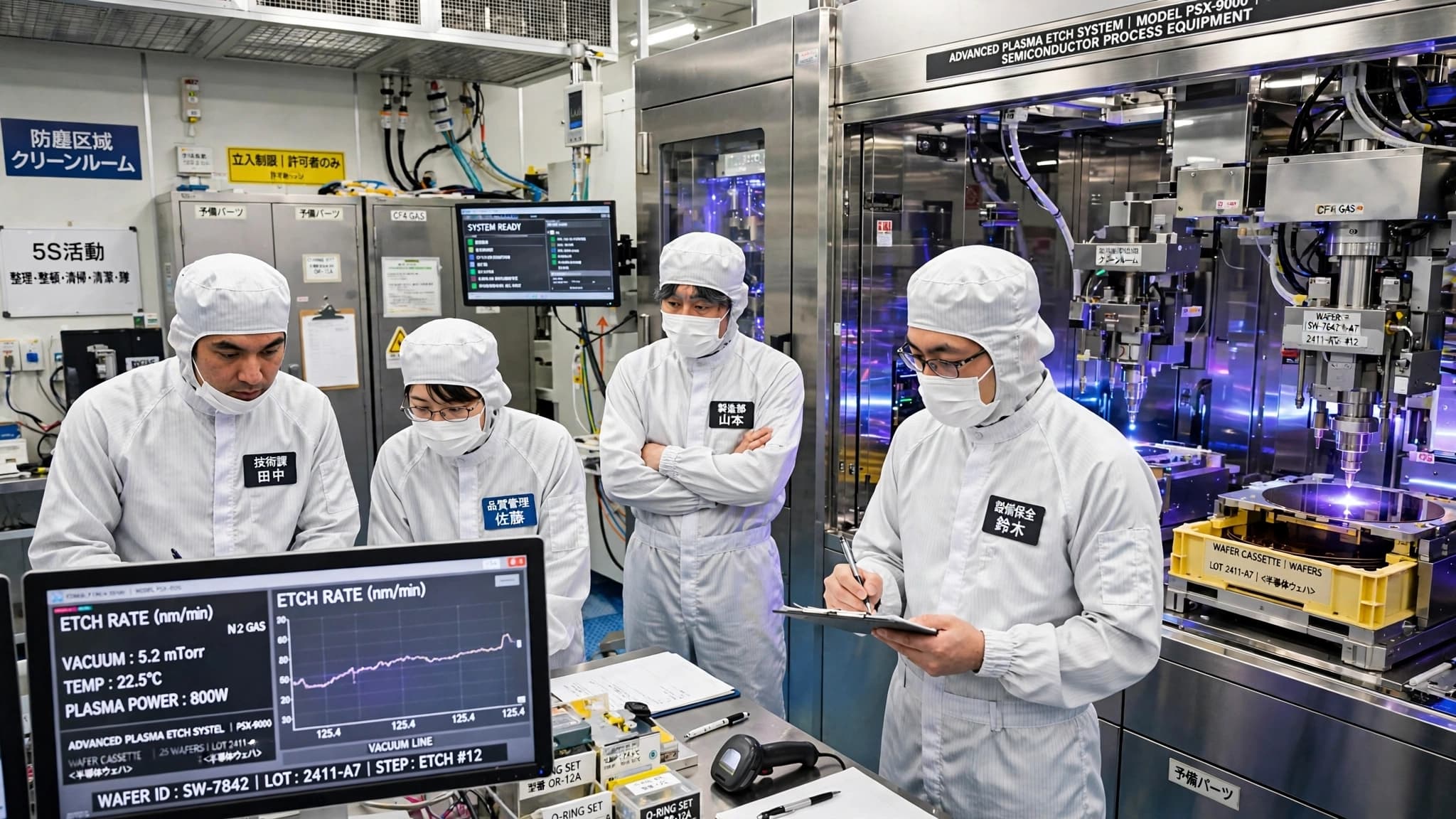
Electronics companies were among the strongest contributors to the improvement. Their sentiment sub-index rose from plus 24 to plus 39, reflecting the growing importance of investment related to artificial intelligence and data-center infrastructure. For companies supplying chips, components and precision equipment, the expansion of computing capacity has created a new source of industrial demand.
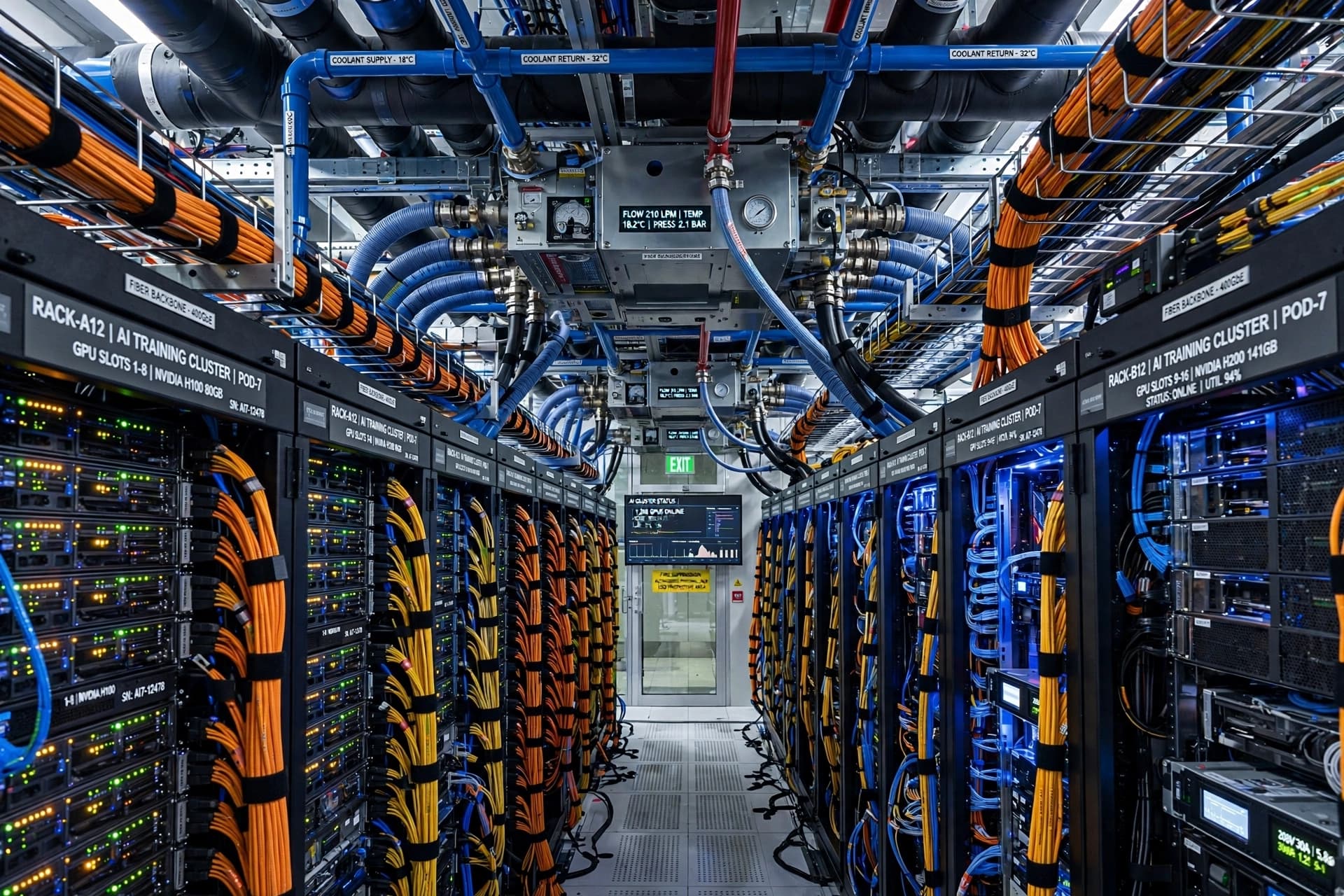
The story is larger than semiconductor production alone. Modern data centers require a broad ecosystem of equipment, from processors and memory to power systems, cooling technology and specialized machinery. Japan’s industrial base has long been connected to several of these supply chains, giving some manufacturers an opportunity to benefit as global investment in computing infrastructure accelerates.
Precision machinery and metal-product manufacturers also recorded improvements in the September survey. At the same time, steel and nonferrous metals remained in negative territory, showing that the recovery has not been evenly distributed across every industrial category.
Outside manufacturing, sentiment among large non-manufacturers edged up to plus 29. Retail sentiment also improved, while information and communications companies reported a decline. The mixed results suggest that Japan’s economic landscape is moving through several different currents at once rather than following a single direction.
Manufacturers surveyed by Reuters also expected their confidence to rise further over the following three months, with the manufacturers’ index projected at plus 27. Such expectations, however, remain sensitive to developments outside Japan, particularly movements in commodity prices and international conditions.
Respondents identified tensions in the Middle East, higher raw-material costs and weaker domestic consumption as potential risks. These factors sit alongside the semiconductor boom, creating a balance between new industrial opportunities and pressures that can affect production costs and household demand.
The semiconductor cycle has therefore become an important window into Japan’s wider manufacturing economy. As AI systems and data centers require increasing computing capacity, companies capable of supplying specialized technology may find stronger demand. But the benefits depend on how long investment remains elevated and how global economic conditions develop.
For now, the September figures show Japanese manufacturers standing at a noticeably brighter point than earlier in the year. Behind the numbers are factory orders, machinery lines and supply chains responding to a digital economy that continues to expand. The next question is how durable that momentum will prove as technology demand meets the more complicated pressures of the global economy.
Image Disclaimer: The illustrations are AI-generated visual interpretations and are not photographs of specific companies, factories or individuals mentioned in the report.
Sources: Reuters Reuters Tankan The Japan Times
Published by Banx Network. This article is part of the Banx decentralized media programme, powered by the BXE token on the XRP Ledger.