In every marketplace, there are unseen threads connecting soil to shop, grower to grinder, and harvest to home. These threads — delicate yet essential — can sometimes fray under the push and pull of changing seasons, shifting prices, and global currents that tug supply chains in directions both familiar and strange. Strengthening such connections often requires gentle hands and thoughtful design, much like tending a garden where each plant depends on the other for shade, shelter, and growth.
In Ghana, the Trade Ministry has embarked on a path that seeks not only to plant new seeds but also to nurture the very soil from which local industries draw. This week the government introduced a contract farming initiative, a policy effort to weave farmers and industries into a more harmonious and reliable supply tapestry. It is an idea rooted in collaboration — where the wisdom of the field meets the needs of factories, and where certainty replaces volatility in the rhythm of supply chains.
Contract farming, in essence, brings farmers and buyers together through agreed arrangements. It is a quiet promise: farmers are assured of markets and fair terms, while processors are assured of consistent access to raw materials. In the view of the Trade Ministry, this is essential to strengthening local supply chains, reducing the unpredictability that sometimes sees industries waiting for materials that simply do not arrive on time.
The initiative reflects a broader vision — one that positions Ghana’s economy not merely as a supplier of raw commodities, but as a place where value is created, shared, and retained. By embedding farmers into structured supply agreements, the policy aims to cut the distance between harvest and industry, fostering a stable environment for investments, processing, and employment.
For smallholder farmers, contract farming may bring reassurance. In agricultural communities where weather, market prices, and transport can feel like capricious forces, a contract offers predictability. It ties cultivation plans to firm agreements and allows growers to plan with greater confidence. Over time, this familiarity between farm and factory could reduce waste, encourage higher quality production, and help both parties thrive in a competitive world.
Trade and industry leaders see this as more than an economic adjustment; it is a thread that strengthens social fabric. By bringing traditional farming communities into the structured fold of industrial supply, such agreements can help bridge the rural–urban divide and create a more inclusive landscape for growth. As one advocate recently noted, inclusive contract farming plays a critical role in linking farmers directly with industry through transparent and sustainable agreements, offering stable markets and access to improved techniques and inputs.
This policy arrives against a backdrop of wider efforts by the Ghanaian government to boost agribusiness, operationalize processing plants, and reform business laws to support value addition and export growth. It joins other measures that seek to mobilize the strengths of different sectors toward shared goals and greater resilience.
In its essence, contract farming is a strategy of connection — not merely of contracts on paper, but of long-term relationships built on mutual benefit. As Ghana continues to navigate the currents of trade and industry, this approach may help ensure that the soil’s bounty does not stagnate in fields or warehouses, but flows steadily toward nourishment, jobs, and prosperity.
In straightforward terms, the Trade Ministry’s new contract farming initiative is designed to bolster local supply chains by formalizing partnerships between farmers and industries. The policy aims to ensure reliable raw material supplies for local processors, support agricultural growth, and improve the efficiency and stability of supply networks across Ghana.
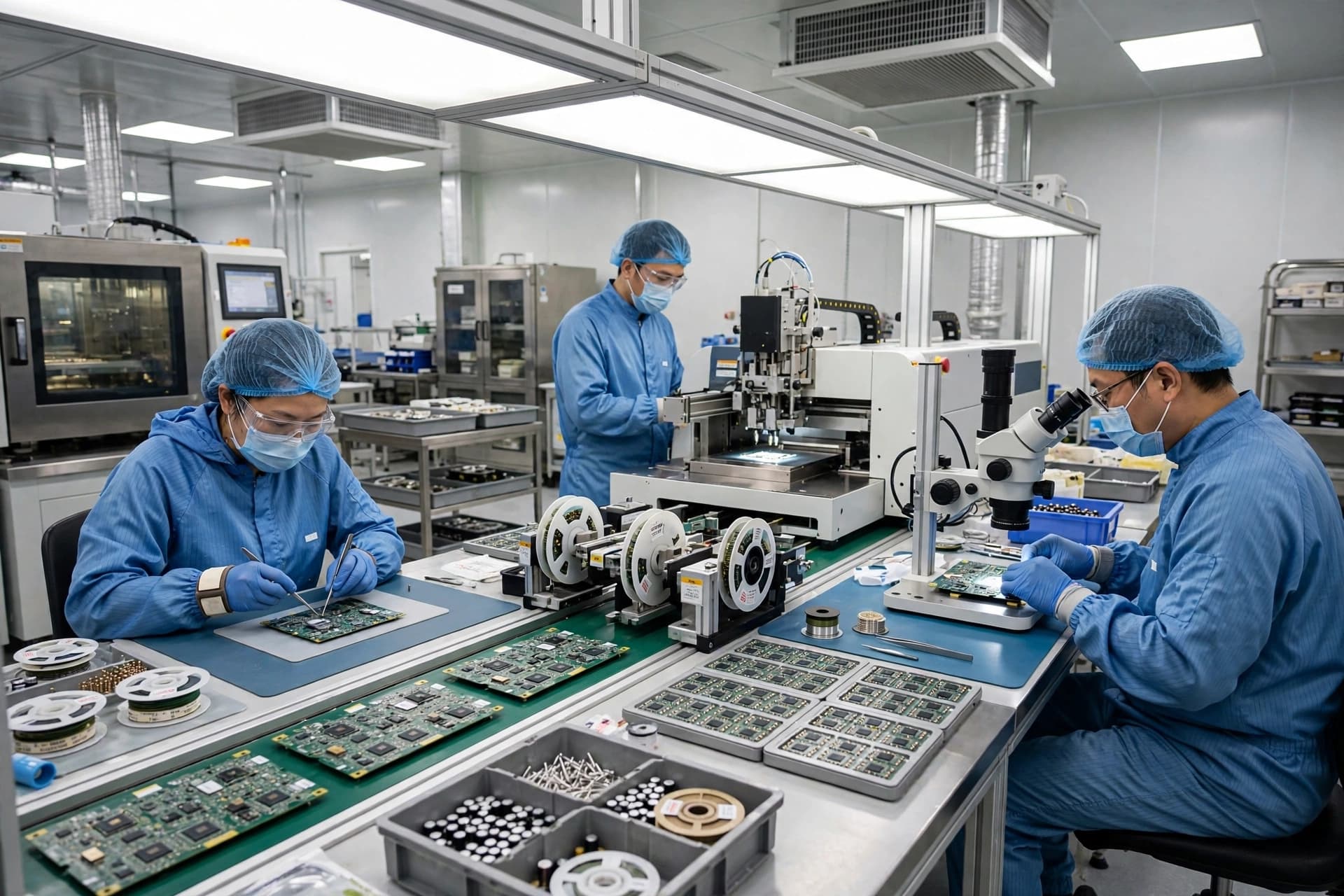
AI Image Disclaimer
“Illustrations were produced with AI and serve as conceptual depictions.”
Sources for article writing:
1. GhanaWeb (report on Trade Ministry launching contract farming) 2. News Minimalist (summary of the same Ghana initiative) 3. Graphic Online (context on agribusiness and inclusive contract farming) 4. MyJoyOnline (related government trade and agriculture policy measures) 5. ANTARA News / related international context (broader supply chain strengthening perspective)
Published by Banx Network. This article is part of the Banx decentralized media programme, powered by the BXE token on the XRP Ledger.