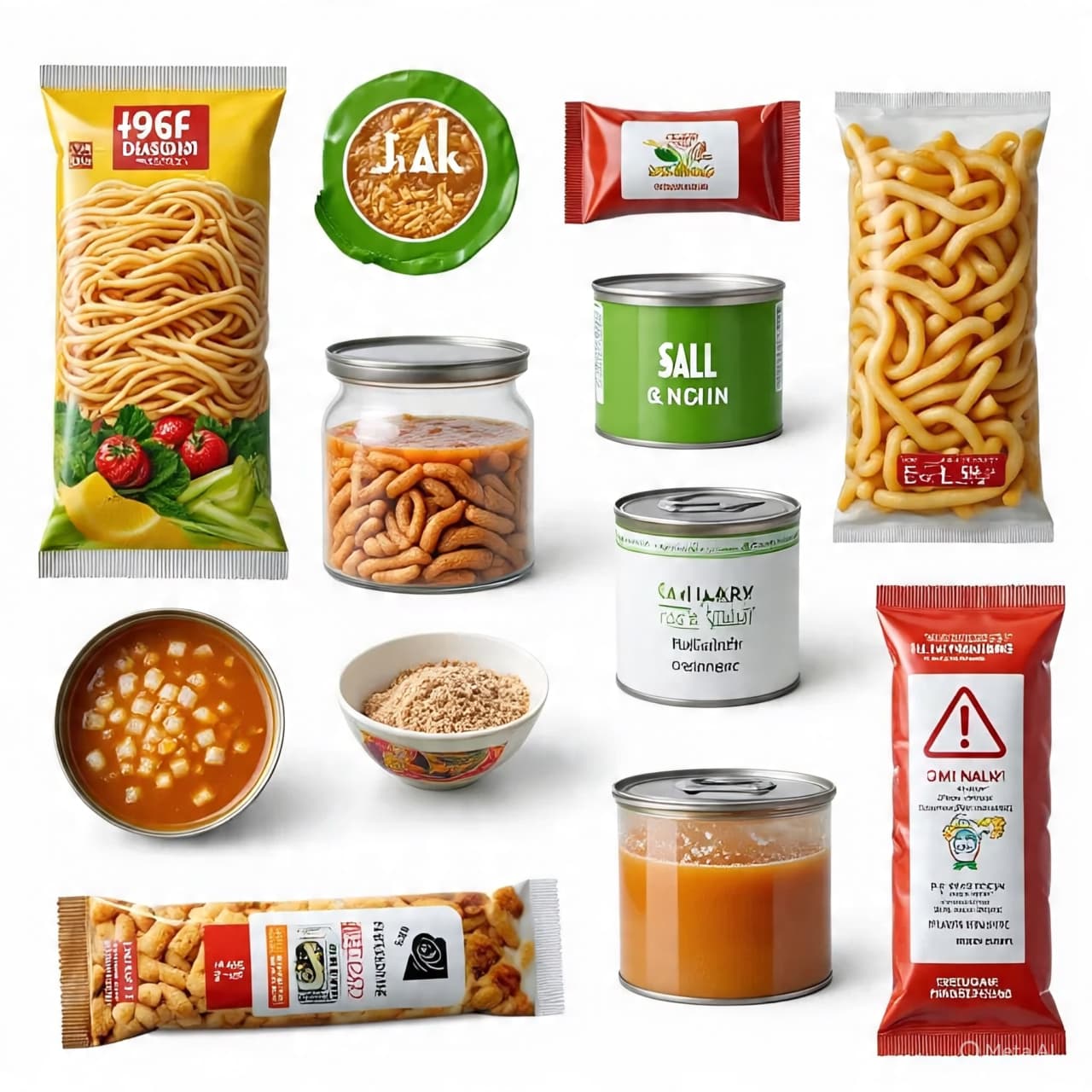
Sometimes improving our health feels like turning a great ship gently toward a new horizon — a careful course correction, not a dramatic overhaul. Our diets are full of familiar flavours and comforting choices, yet hidden beneath the surface of many everyday foods lies an ingredient that, in excess, may steer us toward ill health. Salt — an age-old companion of preservation and taste — now stands in the spotlight of modern public health conversations, not for what it adds to our meals, but for what it quietly takes from our wellbeing.
For decades, scientists and clinicians have listened closely to the rhythm of hearts worldwide, seeking patterns that might explain why some beat with ease and others with strain. High blood pressure, a known precursor to heart disease, often speaks softly at first — a whisper of added strain on arteries, imperceptible until it grows into a persistent force. Much of the sodium we consume does not come from the salt shaker at the table but from the processed and packaged foods that predominate in modern diets.
Leading health authorities have long suggested that reducing sodium intake can be one of the most cost-effective measures to improve health and diminish the burden of cardiovascular disease globally. The World Health Organization highlights sodium reduction as a cornerstone of non-communicable disease prevention, noting that even modest decreases — like lowering salt intake by 1 gram per day — are linked with fewer heart attacks and strokes in many populations.
In a recent analysis of dietary patterns and national food supplies, researchers modelled what might happen if processed foods and restaurant offerings met sodium-reduction targets. They found that reducing salt content in packaged goods and take-out meals could lower average daily sodium intake by nearly a fifth. Over two decades, this shift could help prevent hundreds of thousands of cases of heart disease and tens of thousands of strokes, simply by altering the food environment itself rather than depending solely on individual choices.
These findings echo larger bodies of evidence showing that lower salt intake, especially when combined with heart-healthy dietary patterns, is associated with a reduced risk of cardiovascular events. Long-term cohort studies have linked lower frequency of adding salt to foods with decreased risk of heart disease and heart failure, particularly when paired with diets rich in fruits, vegetables, and whole grains.
The conversation about salt in processed foods is not an indictment of salt itself, but an invitation to examine the modern food landscape with care. Manufacturers often add salt not only to enhance flavour but to extend shelf life — a hidden convenience that can quietly increase daily sodium intake far beyond what most health guidelines recommend. Encouragingly, research suggests that many of these levels can be lowered without significantly altering taste, creating healthier defaults for consumers.
In gentle, clear terms: reducing the amount of salt in processed foods could play a meaningful role in lowering rates of heart disease and related conditions. Public health experts and policymakers are exploring strategies to encourage lower sodium in the food supply, from voluntary reformulation targets to regulatory approaches, with the aim of improving cardiovascular health without diminishing the pleasure and satisfaction of eating.
AI Image Disclaimer “Visuals are created with AI tools and are not real photographs.”
Sources American Heart Association newsroom on sodium reduction and health benefits. FDA overview of sodium in the food supply. World Health Organization fact sheet on sodium reduction. Modeling research on salt reduction in processed foods and health impact. Epidemiological evidence linking reduced salt intake to lower cardiovascular risk.
Published by Banx Network. This article is part of the Banx decentralized media programme, powered by the BXE token on the XRP Ledger.