There is a ritual that plays out in communities across the country when a high-risk offender is released, and it is a ritual born of an impossible tension. The police must inform. The public must know. And the knowing itself is a kind of burden, a warning that cannot be unheard. This week, the Truro Police Service in Nova Scotia issued such a notice. Matthew William Rozins, forty-three, a convicted sex offender with a criminal history spanning multiple provinces, is now residing in the Truro area .
The restrictions attached to Rozins's release are extensive and specific. He is prohibited from being in the presence of anyone under sixteen. He must not attend public parks, swimming areas, daycare centers, school grounds, playgrounds, community centers, or any location where people under sixteen are present or can reasonably be expected to be present. He cannot seek or obtain employment, paid or volunteer, that would place him in a position of trust or authority over minors. He is barred from contact or communication with anyone under sixteen unless supervised by a court-approved person. He is prohibited from possessing firearms or ammunition .
The police statement accompanying the notice was careful in its language, balancing transparency with a warning against vigilantism. "This information is being provided to alert members of the public to Rozins' presence in the community and to support public safety," the Truro Police Service said. "Any form of vigilante action, intimidation, or harassment directed toward Mr. Rozins will not be tolerated and may result in criminal charges" . The statement reflects a recognition that public notification serves a protective function only when it does not become a catalyst for harm.
Rozins's criminal history includes convictions for sexual assault, trespassing at night, indecent acts, assault, and criminal harassment, according to police . The specifics of those offenses have not been detailed in the public notice, and the law does not require that they be. What the public is told is what the public needs to know to exercise caution: that a person with a history of sexual violence is living among them, and that certain places and certain people are off-limits to him.
There is a difficult question buried in these notices, one that communities rarely have the space to address openly. The question is not whether the public should be informed; it should. The question is what information can actually accomplish. It cannot undo the past. It cannot guarantee safety. It can only offer awareness, and awareness places a responsibility on those who receive it, a responsibility to be watchful without becoming punitive, to protect without becoming vigilantes.
For parents in the Truro area, the notice is likely to produce a particular kind of attention, a heightened awareness of where their children are and who they are with. That attention is reasonable. It is also exhausting, a reminder that safety is not a state but a practice, something that must be maintained through vigilance and community. The police have asked anyone with information about a breach of Rozins's conditions to contact them immediately . That request is the practical heart of the matter: the restrictions only work if they are monitored, and monitoring requires eyes.
There is no resolution to a story like this one, no moment when the community can exhale and say the danger has passed. Rozins has served his sentence, or the portion of it that the law required, and he is now in the community under conditions designed to manage a risk that cannot be eliminated. The notice is not a punishment but a precaution, and the difference matters. What remains is the quiet, ongoing work of a community learning to live with a knowledge it did not ask for.
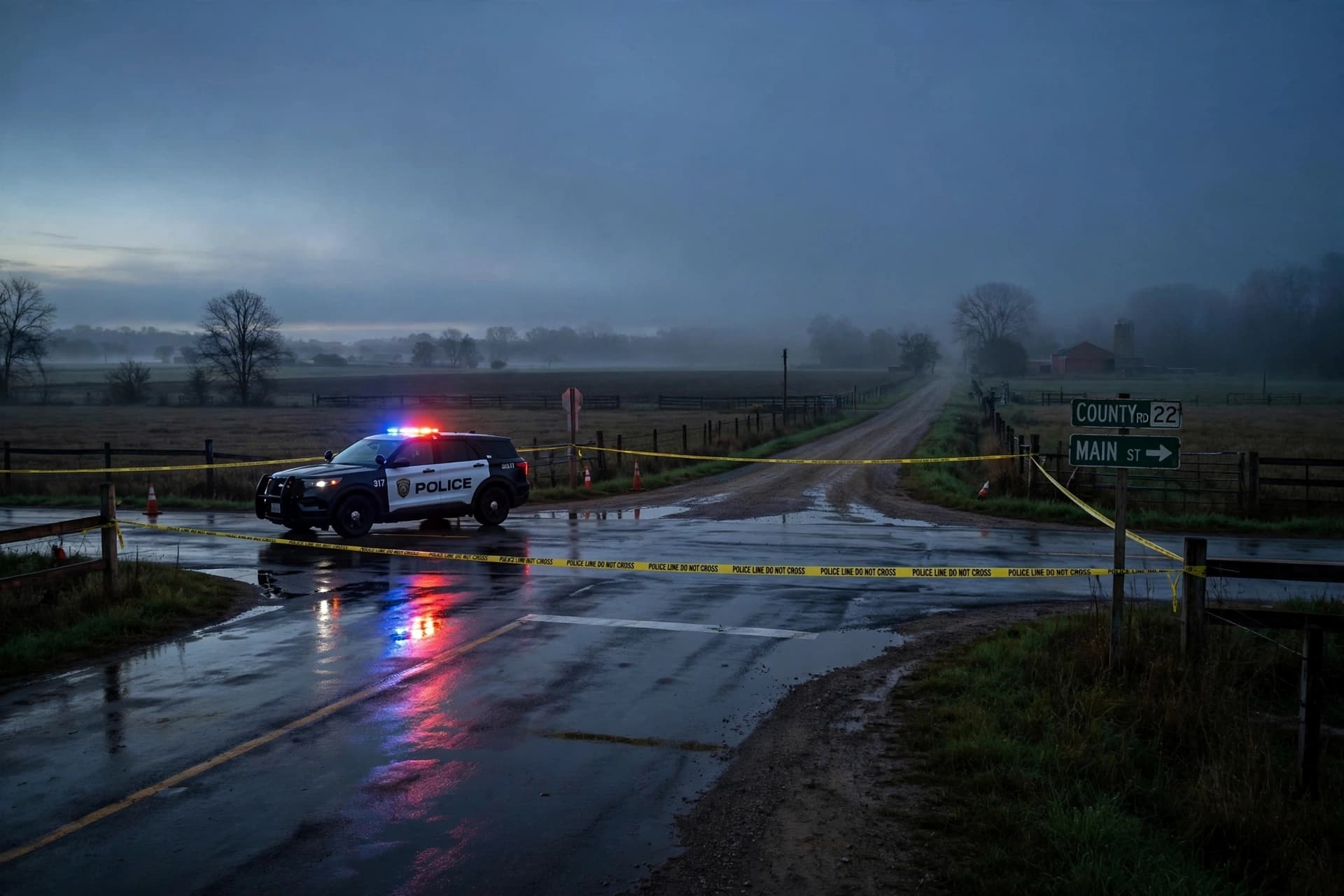
Image Disclaimer: The images in this article are generated by artificial intelligence and are not photographs of the individual or the community described.
Sources: CBC News, Truro Police Service, CTV News, SaltWire
Published by Banx Network. This article is part of the Banx decentralized media programme, powered by the BXE token on the XRP Ledger.