
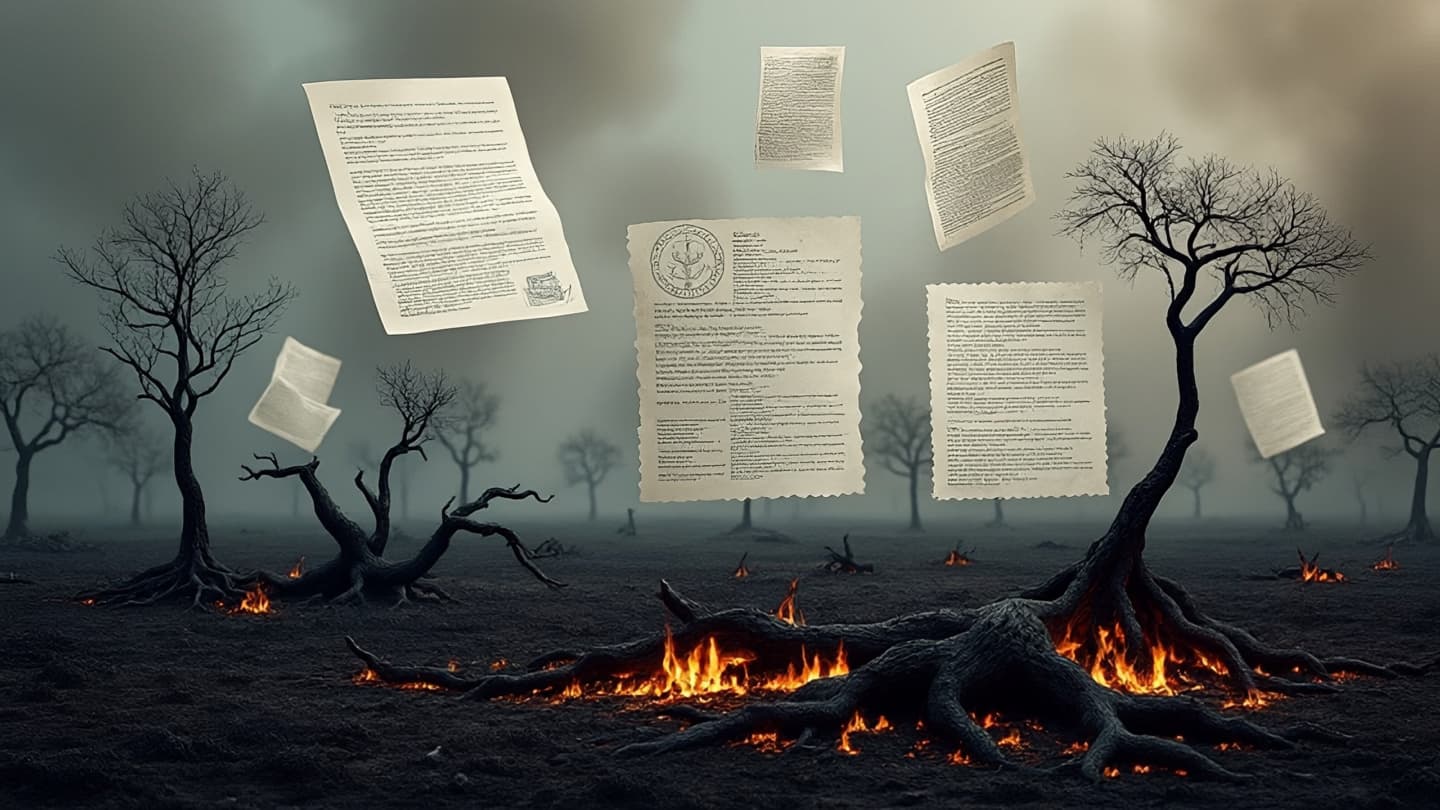
In the face of natural disaster, speed and coordination are paramount. Yet, bureaucratic complexities and political debates can sometimes hinder the swift delivery of aid. Recently, it was revealed that wildfire grants intended for communities devastated by flames were delayed due to disputes over Diversity, Equity, and Inclusion (DEI) requirements. This intersection of policy and emergency response has sparked intense debate, raising questions about how best to balance social goals with urgent practical needs. It is a sobering reminder that even in crises, ideological divides can impact the flow of resources.
The grants, part of federal funding aimed at fire prevention and recovery, were held up as agencies reviewed compliance with new DEI guidelines. Critics argue that these requirements added unnecessary layers of bureaucracy, slowing down the distribution of funds to areas already suffering from the effects of wildfires. For residents waiting to rebuild homes or clear hazardous debris, the delay was not just an administrative inconvenience but a tangible hardship.
Proponents of the DEI measures contend that ensuring equitable access to resources is essential for long-term resilience. They argue that marginalized communities often bear the brunt of environmental disasters and that targeted policies help address historical disparities. However, the timing of the implementation coincided with active fire seasons, creating a perception of misplaced priorities. The tension between principle and pragmatism became starkly visible.
Local officials expressed frustration, noting that every day of delay increased the risk of further damage. Without timely funding, preventive measures like brush clearing and infrastructure hardening could not proceed. The uncertainty left communities vulnerable, forcing them to rely on limited local resources and volunteer efforts. The emotional toll on residents, already stressed by the threat of fire, was compounded by the feeling of being overlooked.
Federal agencies have since moved to expedite the process, acknowledging the urgency of the situation. Adjustments were made to streamline approvals while maintaining core equity goals. However, the incident has left a mark on trust between local governments and federal bodies. It highlights the need for flexible policies that can adapt to emergency contexts without abandoning broader social commitments.
The debate continues in legislative circles, with calls for clearer guidelines on how DEI requirements apply to emergency funding. Experts suggest that future policies should include contingency plans for disasters, ensuring that social goals do not impede immediate relief efforts. Finding this balance is crucial for effective governance.
The delay in wildfire grants due to DEI disputes is a complex issue with real-world consequences. As policymakers reflect on this episode, the hope is for a system that delivers aid swiftly and fairly. Protecting communities from fire requires both rapid response and inclusive planning, and achieving both remains a critical challenge.
AI Image Disclaimer: Visuals associated with this article are AI-generated to illustrate the themes of policy, disaster, and administration.
Sources: The New York Times Politico Associated Press
Published by Banx Network. This article is part of the Banx decentralized media programme, powered by the BXE token on the XRP Ledger.


.jpg&w=3840&q=75 "Sally Rooney’s Books to Be Withdrawn From UK Sale Over Palestine Action Support")
.jpg&w=3840&q=75 "EU Gambling Levy Omitted From Irish MFF Budget Draft, but Remains Under Discussion")