
Key Highlights
- Blue Origin suspends New Shepard flights for at least two years.
- Focus shifts to developing lunar landing capabilities.
- Nearly 100 passengers experienced suborbital flights previously.
Blue Origin's New Shepard rockets, once a symbol of accessible space tourism, have come to a halt as the company announces a two-year suspension of its suborbital flights. This decision marks a significant pivot in the company's strategy, redirecting resources and efforts toward the ambitious goal of developing human lunar landing capabilities. The shift reflects a broader trend in the aerospace industry, where companies are increasingly focusing on sustainable exploration beyond Earth.
The New Shepard program, which has successfully carried nearly a hundred passengers on brief journeys to the edge of space, provided a unique experience that combined the thrill of weightlessness with breathtaking views of Earth. Each flight was a testament to human ingenuity and the desire to explore. However, with the suspension of these flights, Blue Origin is now concentrating on more complex missions that could pave the way for a sustainable human presence on the Moon.
In the wake of this announcement, reactions from the aerospace community have been mixed. Some industry experts view the suspension as a necessary consolidation of efforts, emphasizing the importance of focusing on long-term goals such as lunar exploration. Others lament the loss of the suborbital experience, which allowed civilians to briefly touch the cosmos and experience the awe of space travel.
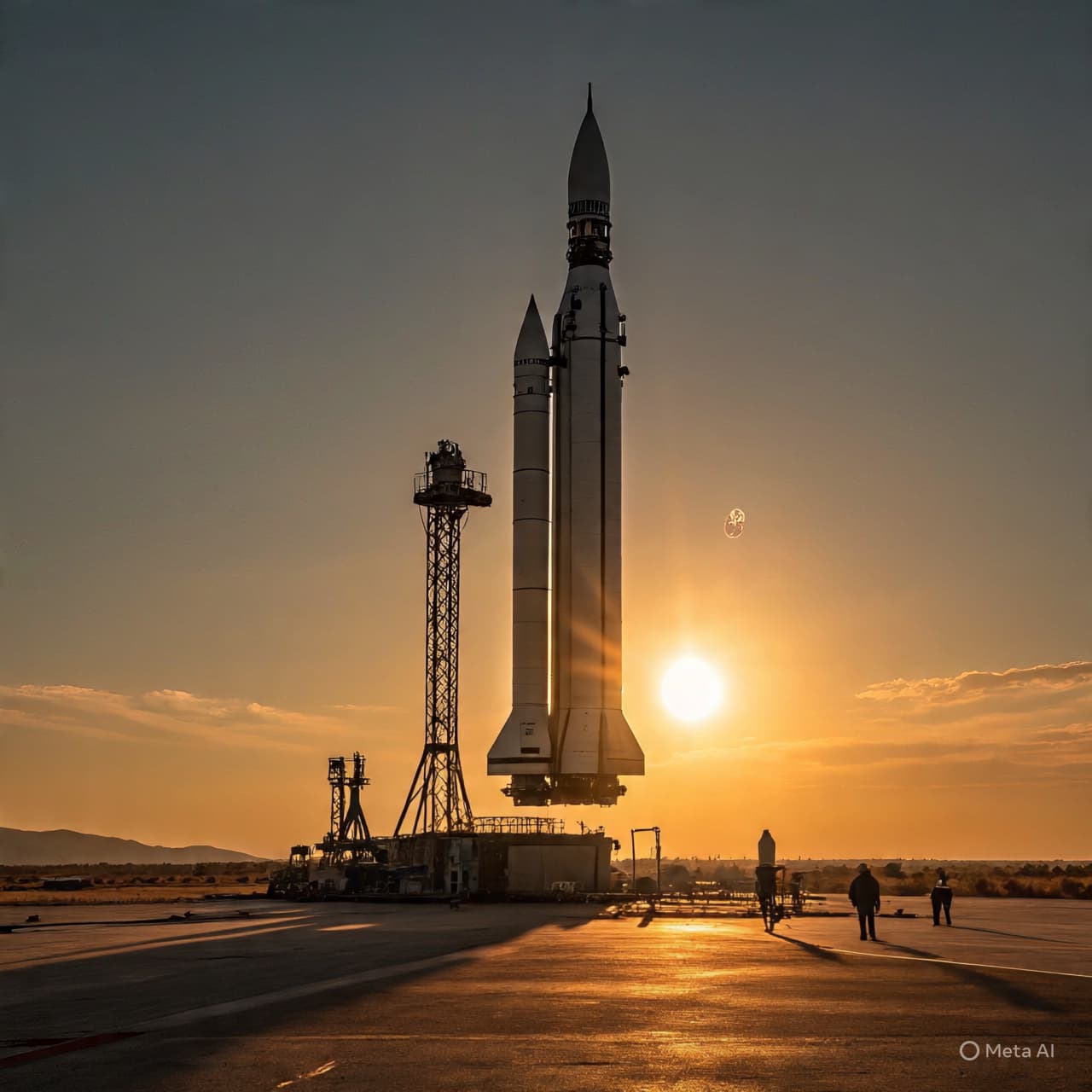
As the launch pads in West Texas stand silent, the New Shepard capsules await their next chapter. The tools are put away, and the engines are quiet, but the potential for future missions remains. Blue Origin's decision to pause its space tourism flights is not an end but rather a strategic interlude. The company is now poised to embark on a journey that could redefine human exploration of the Moon and beyond.
The transition from suborbital flights to lunar missions signifies a shift in how we perceive space travel. What was once measured in fleeting moments of weightlessness is now being redefined by months and years of preparation for more significant endeavors. As Blue Origin redirects its focus, the aerospace community watches closely, anticipating the next steps in humanity's quest to explore the cosmos.
The future of space tourism may be uncertain, but the pause in Blue Origin's New Shepard flights reflects a broader commitment to advancing human exploration. By investing in lunar capabilities, the company aims to contribute to a sustainable presence on the Moon, ultimately expanding the horizons of what is possible in space travel.
Published by Banx Network. This article is part of the Banx decentralized media programme, powered by the BXE token on the XRP Ledger.



