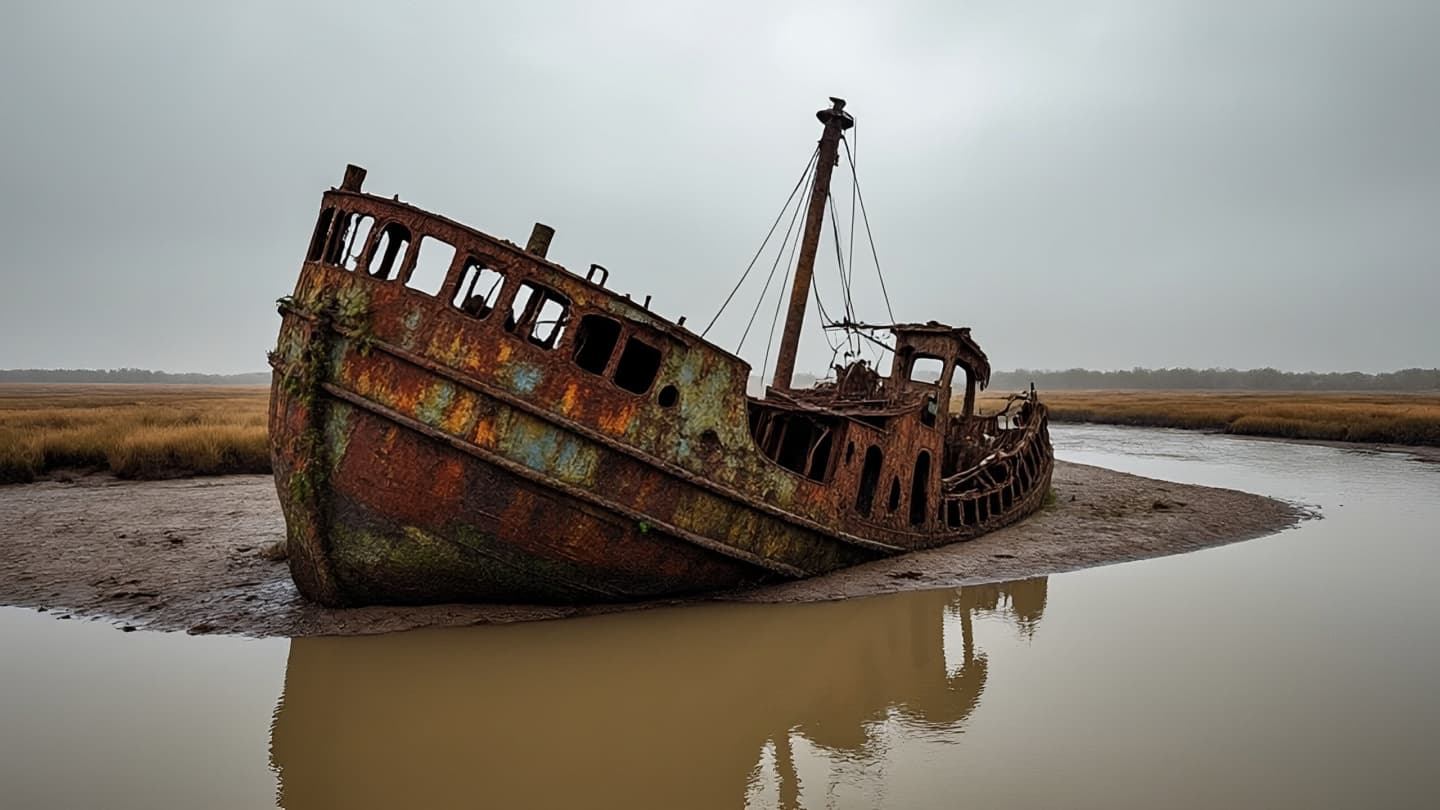
Rivers are the keepers of history, holding secrets in their depths that only reveal themselves in times of extreme change. As the Danube River recedes to record-low levels due to severe drought and heat, a grim chapter of World War II has resurfaced. Dozens of Nazi-era warships, sunk decades ago near Prahovo in Serbia, are now visible above the waterline. These rusting hulks, once hidden by the flowing current, stand as silent witnesses to a violent past. Their emergence is a poignant reminder of how environmental crises can uncover historical truths, forcing us to confront both our legacy and our vulnerability.
The low water levels are a result of prolonged heatwaves and lack of rainfall across Europe. The Danube, a vital artery for trade and transport, has slowed to a trickle in some sections. This exposure has allowed archaeologists and historians to examine the wrecks more closely. Many of these ships were part of a German flotilla scuttled or destroyed during the war. Some contain unexploded munitions, posing a danger to locals and requiring careful handling by authorities.
Serbian officials have begun efforts to remove some of the vessels, citing navigation hazards and environmental risks. The process is complex and costly, requiring specialized equipment and expertise. The presence of these wrecks also raises questions about ownership and responsibility for cleanup. Who bears the cost of removing relics of a conflict that ended long ago? The answer is not straightforward, involving international law and diplomatic negotiations.
For local communities, the sight of the ships is both fascinating and unsettling. They serve as a tangible link to a traumatic period in regional history. Elders share stories of the war, while younger generations learn about the past through these physical remnants. The wrecks have become impromptu monuments, drawing visitors and researchers alike. However, the danger of unexploded ordnance means that access is restricted and caution is advised.
The drying of the Danube also impacts contemporary life. Hydroelectric power generation has decreased, affecting energy supplies in several countries. Agriculture along the riverbanks suffers from lack of irrigation water. The ecological balance is disrupted, threatening fish populations and biodiversity. The crisis highlights the interconnectedness of environmental health and human well-being.
International cooperation is essential to address the broader issues of river management and climate adaptation. Countries sharing the Danube must work together to ensure sustainable water use and protect historical sites. The emergence of the Nazi shipwrecks is a catalyst for dialogue, urging nations to prioritize both heritage preservation and environmental stewardship.
The exposure of Nazi shipwrecks in the drying Danube is a significant historical and environmental event. It underscores the impact of climate change on our physical and cultural landscape. As efforts to remove the wrecks continue, the hope is that this incident will foster greater awareness of the need to protect our rivers and our history.
AI Image Disclaimer: The images provided are AI-generated to visually represent the historical and environmental aspects of the story.
Sources: The Guardian CBS News The New York Times
Published by Banx Network. This article is part of the Banx decentralized media programme, powered by the BXE token on the XRP Ledger.