There are products that arrive with fireworks, and there are those that return with quiet confidence. In the world of consumer technology, reinvention often captures the headlines. Yet sometimes progress is measured not in spectacle, but in restraint — in the decision to refine rather than to radically redraw. The rhythm of iteration can be as deliberate as the ticking of a watch itself.
The Apple Watch Series 11, introduced by , appears to follow that quieter path. By most accounts, it is not a sweeping redesign. There is no dramatic shift in form factor, no wholesale transformation of purpose. Instead, it offers a collection of measured improvements — small adjustments that collectively reinforce an already established formula.
The display sees incremental enhancements in brightness and efficiency, making outdoor visibility slightly clearer and battery management marginally steadier. The processor update brings modest performance gains, enough to smooth animations and quicken app launches without fundamentally altering the user experience. Health tracking capabilities continue to expand in subtle ways, refining data accuracy rather than introducing entirely new categories.
Such updates may not ignite the same excitement as a breakthrough feature, yet they speak to a broader philosophy. The Apple Watch has, over multiple generations, matured into a steady companion: a device for fitness metrics, heart rate monitoring, notifications, and daily reminders. For many users, its value lies not in surprise but in reliability.
Battery life improvements, even incremental ones, often matter more than aesthetic changes. A slightly more efficient chipset or optimized software tweak can translate into a few extra hours of use — a difference felt at the end of a long day. In wearables, where charging routines shape daily habits, small efficiencies accumulate meaning.
There is also continuity in design. Apple’s decision to maintain compatibility with existing watch bands preserves a sense of ecosystem stability. Accessories purchased years ago still find purpose. This continuity reinforces consumer confidence and reduces friction for those considering an upgrade.
Critics may observe that the Series 11 feels evolutionary rather than revolutionary. Yet in a category where dramatic hardware changes can disrupt comfort or introduce trade-offs, steady refinement carries its own logic. The smartwatch market has matured. What once required bold experimentation now demands polish.
For existing Apple Watch users on recent models, the upgrade calculus may be nuanced. The improvements, while tangible, are incremental. For those using older generations, however, the cumulative gains across performance, display quality, and health tracking may feel more pronounced.
In straightforward terms, the Apple Watch Series 11 delivers modest enhancements rather than sweeping changes. It maintains the established design while improving performance, efficiency, and feature accuracy. For many consumers, that continuity may be precisely the point — a reminder that sometimes a winning formula requires only careful tuning, not reinvention.
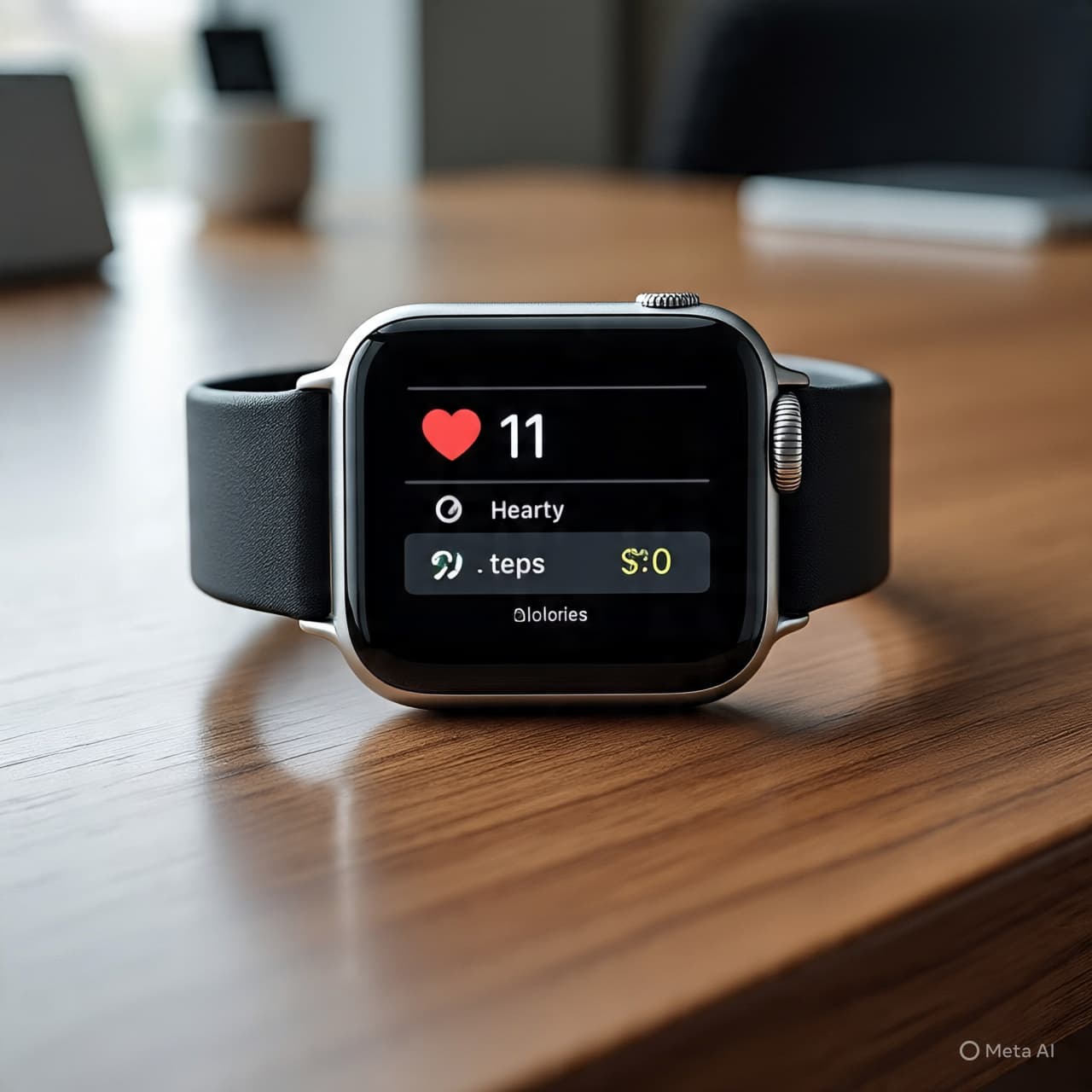
AI Image Disclaimer: Visuals are created with AI tools and are not real photographs.
Sources:
Reuters
Bloomberg
CNBC
The Wall Street Journal
The Verge
Published by Banx Network. This article is part of the Banx decentralized media programme, powered by the BXE token on the XRP Ledger.