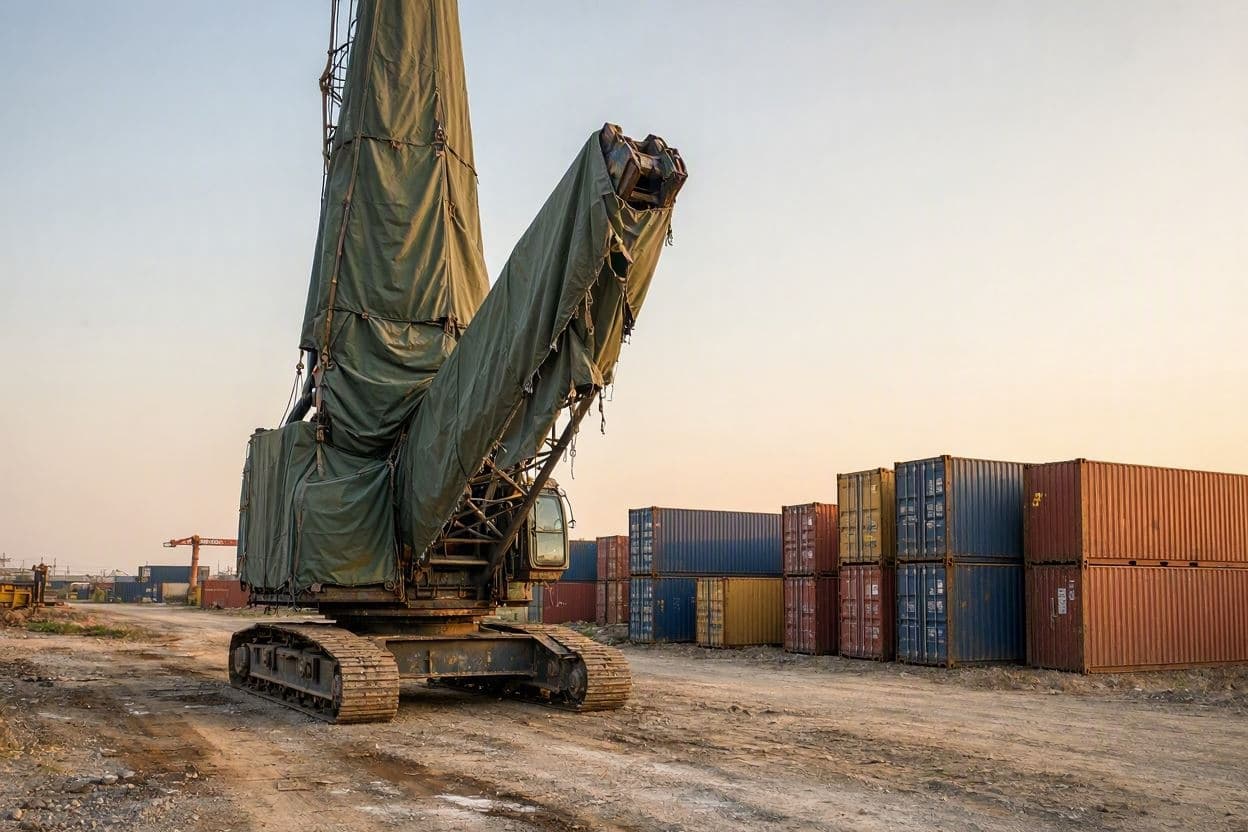
The Sydney Harbour Bridge is more than steel and rivets; it is a silhouette that defines a city’s soul. For decades, its iconic arches have stood as a testament to engineering prowess and enduring strength. Yet, behind the scenes of maintaining such a monumental structure, logistical complexities can sometimes unravel in unexpected ways. A recent revelation about specialized repair cranes, built in Germany but left gathering dust in storage, highlights the delicate dance between global supply chains and local execution.
The cranes in question were commissioned specifically for the intricate task of repainting and repairing the bridge’s upper arches. Designed by a renowned German manufacturer, these machines were engineered to navigate the steep gradients and tight spaces of the historic structure. Their arrival in Australia was anticipated with great expectation, promising a more efficient and safer maintenance process. However, upon delivery, a series of regulatory and logistical hurdles emerged, preventing their immediate deployment.
The primary issue stemmed from discrepancies in safety certifications and operational standards between European and Australian regulations. While the cranes met rigorous German standards, they required additional modifications and approvals to comply with local workplace health and safety laws. This bureaucratic maze, compounded by communication gaps between contractors and regulators, led to a prolonged standoff. The machines, worth millions of dollars, remained idle in a storage facility, unable to fulfill their purpose.
Costs associated with the delay have begun to mount. Storage fees, insurance, and the potential need for retrofitting have added to the project’s budget. Taxpayers and stakeholders are rightly concerned about the efficiency of public spending. The incident raises questions about the thoroughness of pre-procurement planning and the importance of aligning international specifications with local requirements before contracts are finalized. It is a costly lesson in the complexities of global procurement.
Contractors involved have expressed frustration, noting that the delays were not due to technical flaws in the equipment but rather administrative misalignments. They argue that the cranes are perfectly capable of performing the job once the necessary approvals are secured. Efforts are now underway to expedite the certification process, with engineers working closely with regulators to address specific concerns. The goal is to get the cranes onto the bridge as soon as possible.
The Sydney Harbour Bridge maintenance program is critical for preserving the structure’s integrity and aesthetic appeal. Delays in accessing hard-to-reach areas can lead to accelerated corrosion and higher long-term repair costs. The inability to use these specialized tools hampers the efficiency of the maintenance cycle. It underscores the need for agile problem-solving in infrastructure management, where time is often as valuable as money.
Public reaction has been mixed, with some viewing the situation as a typical example of bureaucratic inefficiency, while others emphasize the importance of strict safety standards. The debate highlights the tension between speed and compliance. Ensuring worker safety is paramount, but so is the responsible use of public funds. Finding a balance between these priorities is essential for successful project delivery.
Authorities have confirmed that a resolution is imminent, with final inspections scheduled for the coming weeks. Once approved, the cranes will be transported to the bridge, marking the end of a frustrating chapter. The incident serves as a reminder that even the most well-planned projects can encounter unforeseen obstacles in a globalized world.
AI Image Disclaimer: Please note that any accompanying illustrations for this article are AI-generated and intended for representational purposes only.
Sources: The Sydney Morning Herald ABC News (Australia) The Guardian Infrastructure NSW Reports
Published by Banx Network. This article is part of the Banx decentralized media programme, powered by the BXE token on the XRP Ledger.