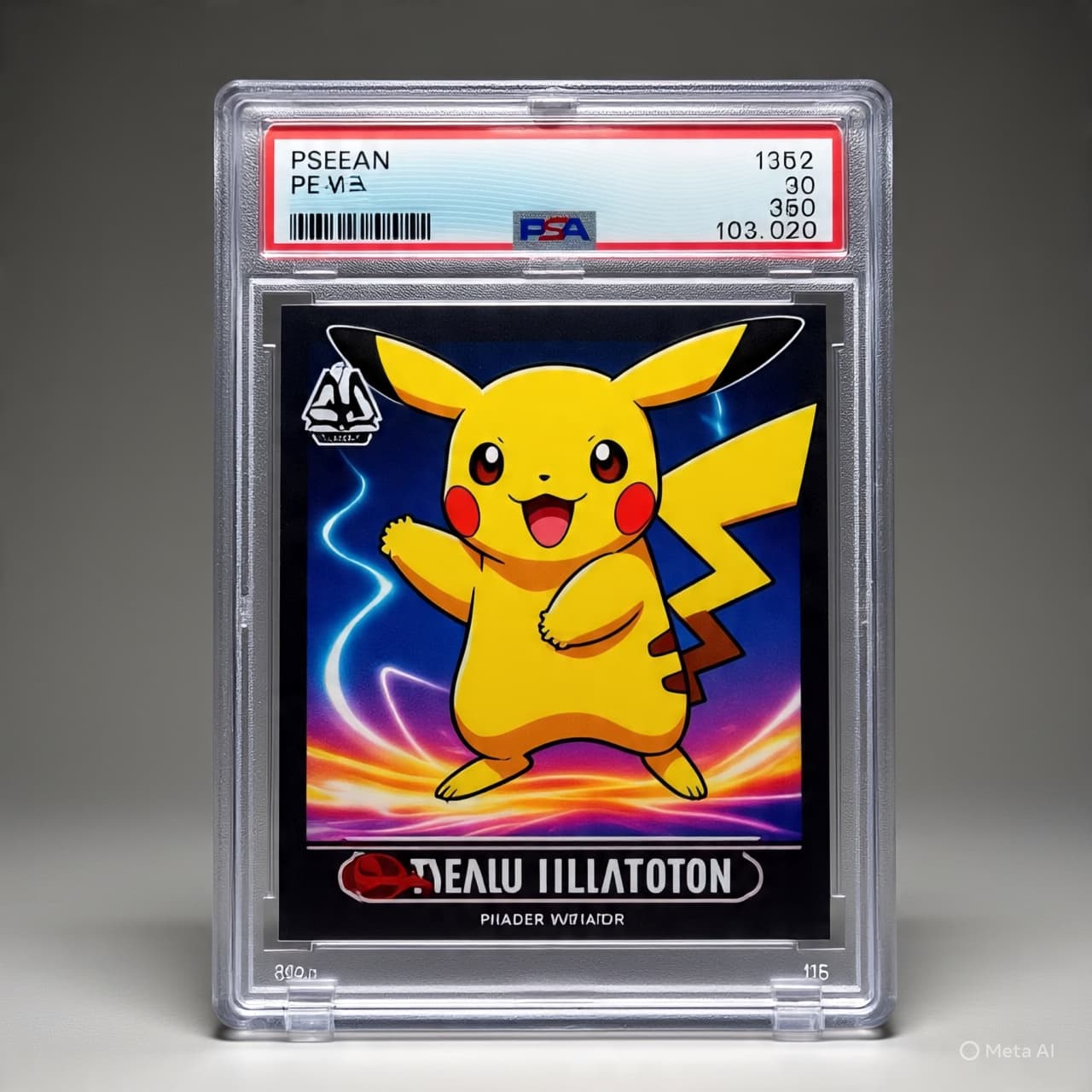
There are objects in our culture that seem to carry a kind of quiet gravity — small in size yet vast in the stories they embody. A single trading card, printed decades ago as a prize in a Japanese illustration contest, has become just such an artifact. Now, that card — a rare PSA Grade 10 Pikachu Illustrator — is on the brink of another chapter as its owner, influencer and entertainer Logan Paul, prepares to place it up for auction early next year.
The journey of this card has been as remarkable as any collectible’s lore. Fewer than a few dozen copies of the “Illustrator” were ever produced, and the one Paul possesses is distinguished by its perfect grading — a PSA 10, the highest condition rating possible — making it not just rare but singular in its perfection. When he acquired it in 2022, the sale set a private‑transaction record, reportedly worth about $5.3 million and earning him a Guinness World Record for the most expensive Pokémon card ever sold.
For many, Pokémon cards are childhood tokens, reminders of afternoons spent trading with friends or dreaming of catching them all. Yet in recent years, the world of collecting has widened, and cards like this one have shifted into an almost mythic space between nostalgia, art, and investment. Paul himself has spoken publicly about how such rare cards have delivered returns that outpaced traditional markets and why he considers them intriguing alternative assets — though he also acknowledges that not all collectibles guarantee lasting value.
At its heart, Paul’s decision to sell is a convergence of personal interest and broader cultural momentum. The auction is expected to draw attention not only because of the card’s storied history and astronomical price tag but also because it illustrates how the market for rare items has matured. Collectors and investors alike watch with keen interest, weighing the card’s symbolic value against its potential to continue appreciating or to define a moment in the collectibles economy.
This forthcoming auction also reflects Paul’s own eclectic path — from YouTube fame to wrestling arenas, from beverage brands to alternative asset markets. In some sense, the auction turns the card’s narrative outward, inviting others into a space he helped shape and champion. What was once a deeply personal treasure may become a shared cultural moment, witnessed by enthusiasts around the world as bids rise and histories converge.
There is a gentle lesson in all of this about how value is defined and redefined over time. A tiny piece of cardboard, adorned with a beloved character, can represent not just monetary worth but the evolving ways people connect with ideas, memories, and markets. Whether one sees it as investment, memorabilia, or cultural artifact, the story of this card captures something elemental about passion and permanence.
As the auction date approaches and the quiet countdown begins, the conversation around this rare Pokémon card continues to unfold — an emblem of rarity that speaks as much to our collective imagination as to the shifting currents of the marketplace.
AI Image Disclaimer “Images in this article are AI‑generated illustrations, meant for concept only.”
Sources Bloomberg Fox Business Business Insider Mundo Deportivo The Straits Times
Published by Banx Network. This article is part of the Banx decentralized media programme, powered by the BXE token on the XRP Ledger.