There is a particular kind of vigilance that accompanies life in a world shared with wild creatures—a watchfulness that most people carry lightly until the moment it becomes personal. Across North America this summer, that moment has arrived with increasing frequency, as public health officials report a marked rise in human exposures to rabid animals and a corresponding increase in the use of post-exposure prophylaxis. The numbers tell a story of heightened risk: from July to August, the CDC received seventeen percent more rabies-related inquiries than during the same period the previous year, while state health departments reported increases in human exposures and errors in the administration of life-saving treatment .
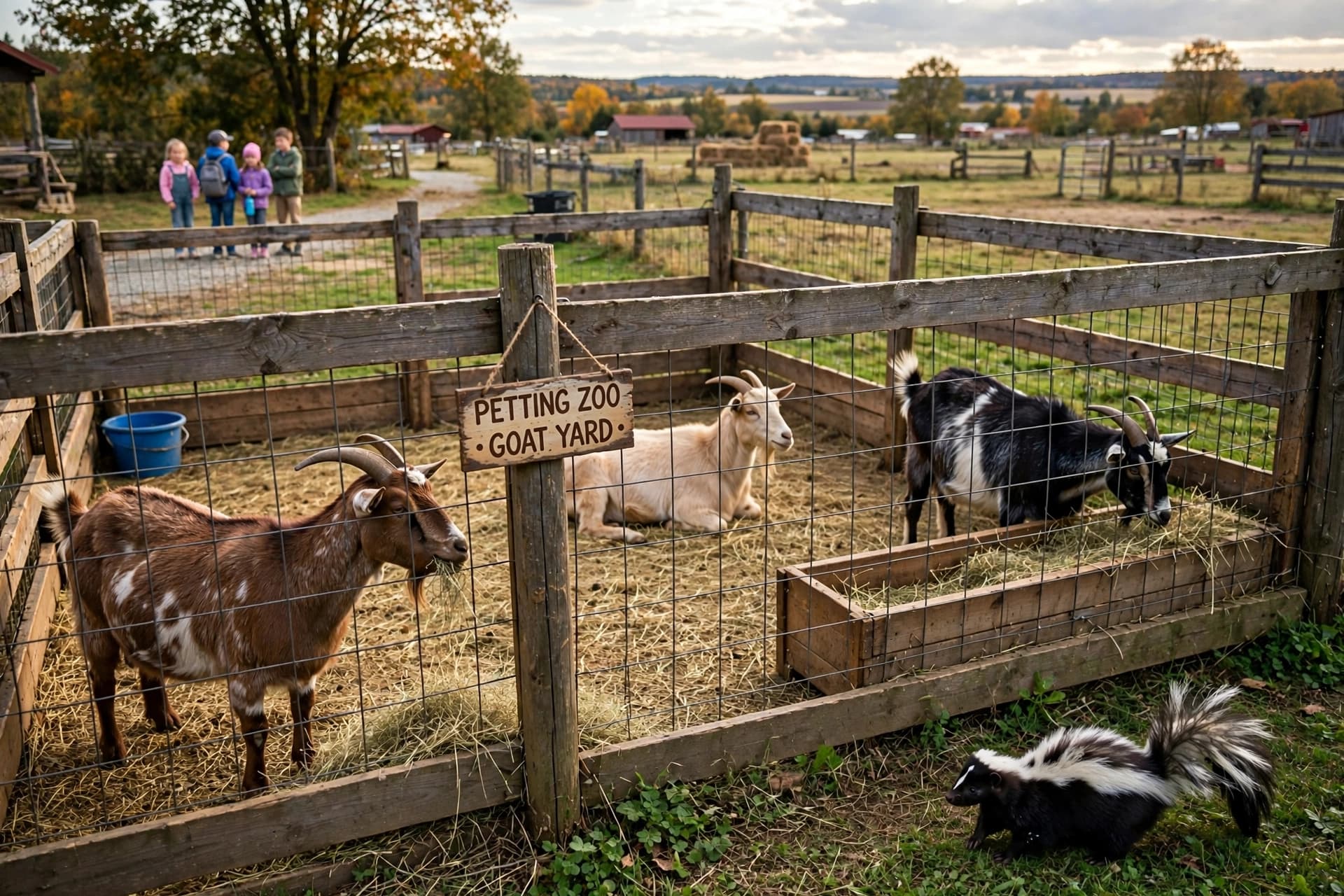
The incidents behind these statistics are varied and, in some cases, surprising. In North Carolina, a traveling petting zoo became the source of an outbreak when four baby goats tested positive for rabies after a wild skunk entered their enclosure. More than 260 people, including children and residents of an assisted living facility, were advised to receive post-exposure prophylaxis . In Maryland, two separate beaver attacks at a state park raised alarm. A New Jersey man was bitten by a rabid raccoon. In New Hampshire, an animal believed to be either a gray fox or a fisher attacked three people in three separate incidents . These are not the familiar scenarios of rabid dogs or bats in the attic. They are reminders that rabies is not confined to predictable vectors, and that the line between wildlife and human habitation is more porous than many assume.
Post-exposure prophylaxis, when administered correctly and promptly, is nearly one hundred percent effective at preventing the onset of rabies, which is almost invariably fatal once symptoms appear . The standard course involves four vaccine doses over fourteen days, along with human rabies immune globulin infiltrated into and around wounds for patients who have not been previously vaccinated . But the increased demand has brought its own complications. The CDC has reported administration errors, including vaccine injected into the gluteal area rather than the deltoid, failures to infiltrate immune globulin into wounds, and administration of the globulin to patients who had already been vaccinated and did not need it . These errors can result in unnecessary treatment, adverse effects, and avoidable costs—a full prophylaxis course can cost up to $14,000 per person .
The strain on supplies has been significant. As of early September, use of the two rabies vaccines licensed in the United States had increased by an estimated thirty-three percent compared with the same period last year, while use of the two immune globulin products had risen by seventy-six percent . Public health officials have emphasized that careful risk assessment must precede treatment, that not every animal encounter requires prophylaxis, and that clinicians should consult with state and local health departments when uncertain .
For the public, the guidance remains straightforward and familiar: avoid contact with wild animals, especially those acting sick or unusually tame, and seek medical attention promptly after any bite, scratch, or saliva exposure . The rise in exposures is a reminder that the boundary between human and animal worlds is not a wall but a threshold, and that crossing it—whether by a skunk in a petting zoo or a beaver in a swimming hole—can carry consequences that require both vigilance and the quiet, unglamorous work of public health to address.
AI Image Disclaimer: The images accompanying this article were generated by artificial intelligence and are for illustrative purposes only.
Sources: CDC, JAMA, DVM360, Orange County Health Care Agency
Published by Banx Network. This article is part of the Banx decentralized media programme, powered by the BXE token on the XRP Ledger.