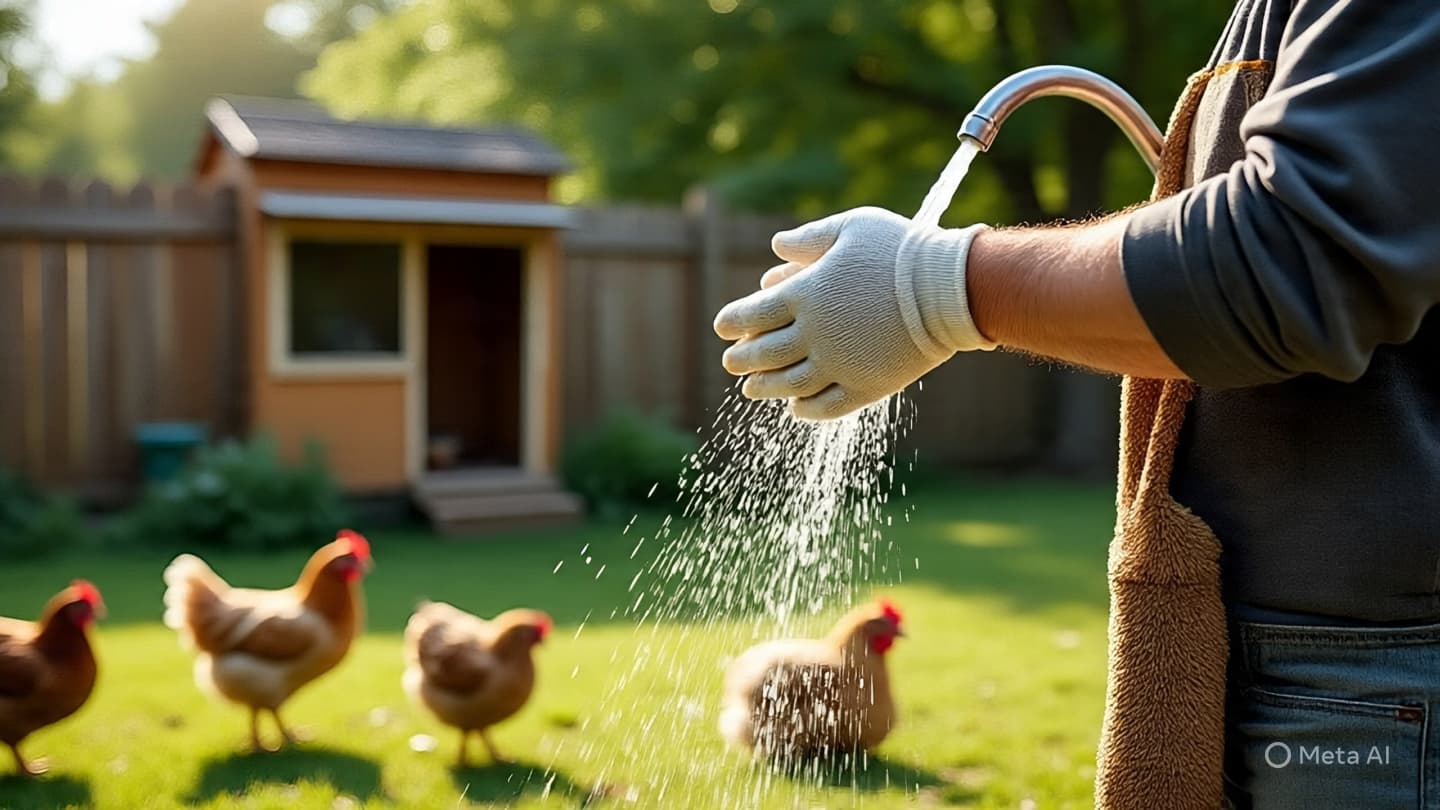
In many homes, the presence of backyard poultry carries a sense of simplicity—a return to smaller, self-sustained routines. Yet even in these quiet spaces, unseen risks can emerge, reminding us that proximity to nature requires a careful balance of familiarity and caution.
The Centers for Disease Control and Prevention has issued a warning about salmonella infections linked to contact with backyard poultry, including chickens and ducks. The advisory follows reports of illnesses connected to handling live birds or their environments.
Salmonella is a type of bacteria that can cause gastrointestinal illness, with symptoms such as fever, diarrhea, and abdominal cramps. While many cases resolve without severe complications, certain groups—including young children and older adults—may face higher risks.
Backyard poultry, even when appearing healthy, can carry salmonella bacteria. Transmission can occur through direct contact with birds, as well as through contaminated surfaces such as coops, feed containers, or outdoor areas.
The CDC recommends simple preventive measures, including thorough handwashing after handling birds or equipment, avoiding close contact such as kissing or snuggling poultry, and keeping birds out of indoor living spaces.
Public interest in backyard poultry has grown in recent years, driven by factors such as food sustainability and personal preference. This trend has brought renewed attention to the importance of safe handling practices.
Health officials emphasize that awareness, rather than avoidance, is key. By understanding the risks and taking appropriate precautions, individuals can continue to keep poultry while reducing the likelihood of infection.
Educational outreach has become an important component of public health strategy, ensuring that new poultry owners receive guidance on maintaining both animal and human health.
The advisory reflects an ongoing effort to address health concerns that arise not only in large-scale settings, but also in everyday domestic environments.
As backyard poultry remains a valued part of many households, the CDC’s guidance serves as a practical reminder that small habits can make a meaningful difference in protecting health.
AI Image Disclaimer: Some visuals are AI-generated illustrations intended to depict backyard poultry care and hygiene practices.
Sources: Centers for Disease Control and Prevention Reuters NBC News
Published by Banx Network. This article is part of the Banx decentralized media programme, powered by the BXE token on the XRP Ledger.