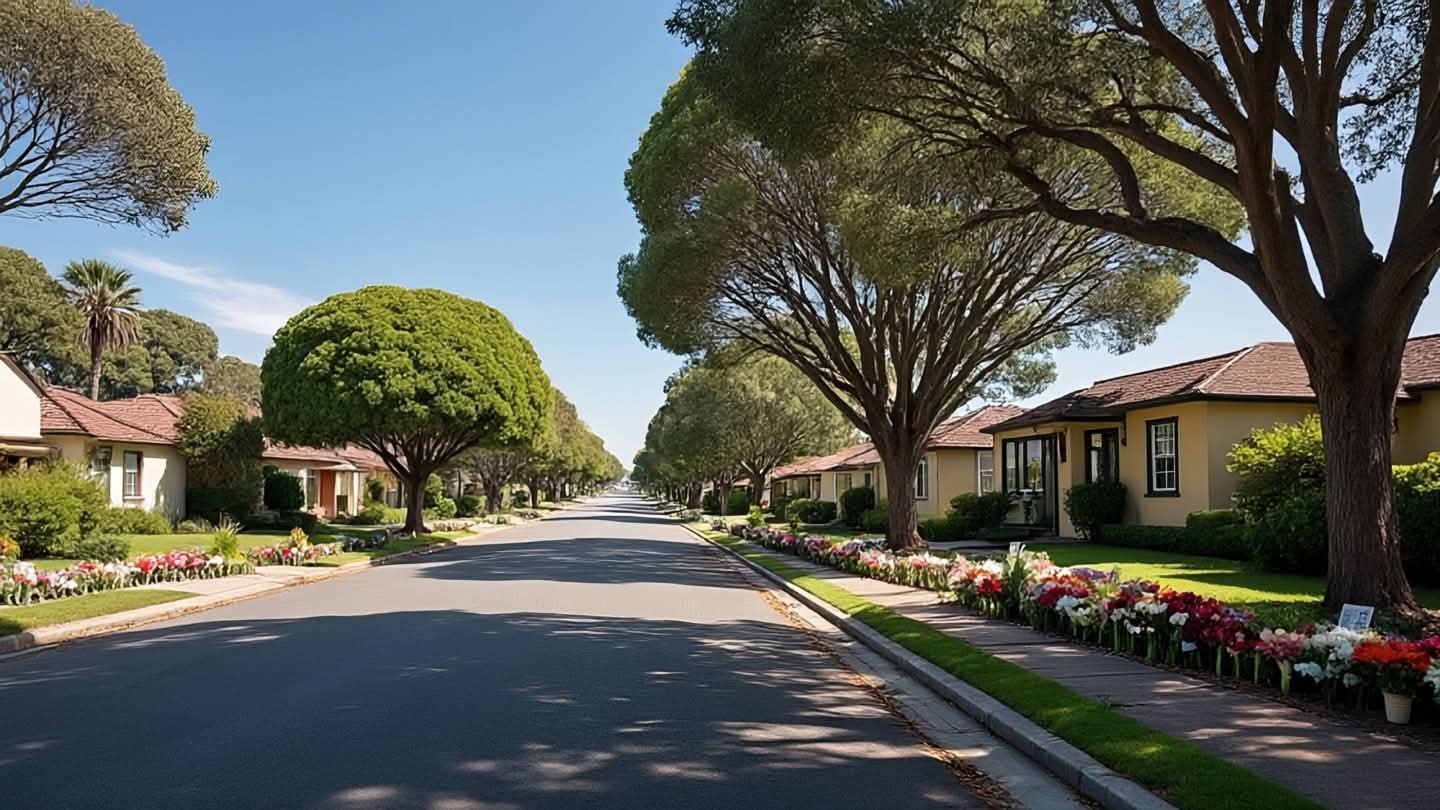
At dawn, before traffic gathers and headlines begin their restless march across glowing screens, there is a quieter current moving beneath the surface of society. It is not loud enough to command attention, nor urgent enough to trend. It begins in small rooms, in whispered prayers, in hands folded not in resignation but in intention. Christian peace, at its heart, does not arrive like a proclamation. It settles like morning light — gradual, patient, persistent.
Across centuries, the Christian tradition has spoken of peace not merely as the absence of conflict, but as a condition of right relationship — with God, with neighbor, and with the fragile earth itself. In sermons, encyclicals, and ecumenical declarations, leaders have described peace as both gift and responsibility. The language often turns to reconciliation, forgiveness, justice shaped by mercy. It is a vocabulary that moves inward before it moves outward.
In recent years, church bodies and faith-based organizations have revisited this understanding amid social polarization, economic strain, and armed conflict in various regions of the world. Statements emerging from gatherings of the World Council of Churches have emphasized that peace cannot be reduced to ceasefires alone; it requires the mending of trust and the restoration of dignity. Similarly, reflections carried by Vatican News frequently frame peace as an active virtue — something cultivated through dialogue, service, and structural fairness.
This vision suggests that transformation does not begin in parliaments or courtrooms alone. It begins in conscience. Christian communities often speak of metanoia — a turning of the heart — as the seed of wider renewal. When individuals choose restraint over retaliation, generosity over accumulation, or truth over expediency, they alter the social climate in ways that statistics may struggle to measure but neighborhoods can feel.
Historically, movements shaped by Christian convictions have influenced campaigns for civil rights, labor protections, and humanitarian relief. Yet those legacies are rarely uniform or uncomplicated. They unfold across time, shaped by cultural context and human limitation. The concept of Christian peace does not promise perfection; rather, it points toward orientation — a steady alignment with compassion and accountability.
In congregations large and small, this orientation often takes modest form: food pantries operating in church basements, mediation efforts between divided community groups, accompaniment for migrants navigating unfamiliar systems. These gestures do not erase structural injustice overnight. They do, however, create spaces where dignity is practiced rather than merely proclaimed.
The theological foundation beneath such efforts rests on the figure of Christ described in the Gospels — one who enters conflict not to dominate but to reconcile. Christian teaching frequently returns to the Sermon on the Mount, where peacemaking is named as a blessing rather than a strategy. In that framing, peace is neither passive nor weak. It requires courage to absorb hostility without mirroring it, and discipline to pursue justice without surrendering to bitterness.
Observers note that societies shaped by durable peace tend to exhibit trust in institutions, protection for the vulnerable, and channels for constructive disagreement. Faith leaders contributing to public discourse often argue that inner transformation and structural reform are not rivals but partners. A reconciled heart may inspire equitable policy; equitable policy may, in turn, reinforce social trust.
In the end, Christian peace is less spectacle than soil. It works beneath the surface, unseen but essential, nourishing habits that sustain communities through strain. Its pace can seem slow against the velocity of modern crises. Yet history suggests that enduring change rarely arrives in thunderclaps. It is formed in accumulated acts of mercy, repeated across years, across neighborhoods, across generations.
Today, churches and Christian organizations continue to advocate for dialogue, nonviolence, and social responsibility in public life. Conferences, pastoral letters, and community initiatives reflect an ongoing effort to connect spiritual conviction with civic renewal. Whether in local parishes or global assemblies, the call remains consistent: peace is not only hoped for but practiced.
AI Image Disclaimer
Visuals are AI-generated and serve as conceptual representations.
Source Check
Christianity Today National Catholic Reporter Vatican News BBC News World Council of Churches
Published by Banx Network. This article is part of the Banx decentralized media programme, powered by the BXE token on the XRP Ledger.