Key Highlights
- Dubai's real estate market is evolving beyond simple transactions.
- Investors are focusing on holistic management and long-term strategies.
- The city is becoming a hub for wealth organization and estate planning.
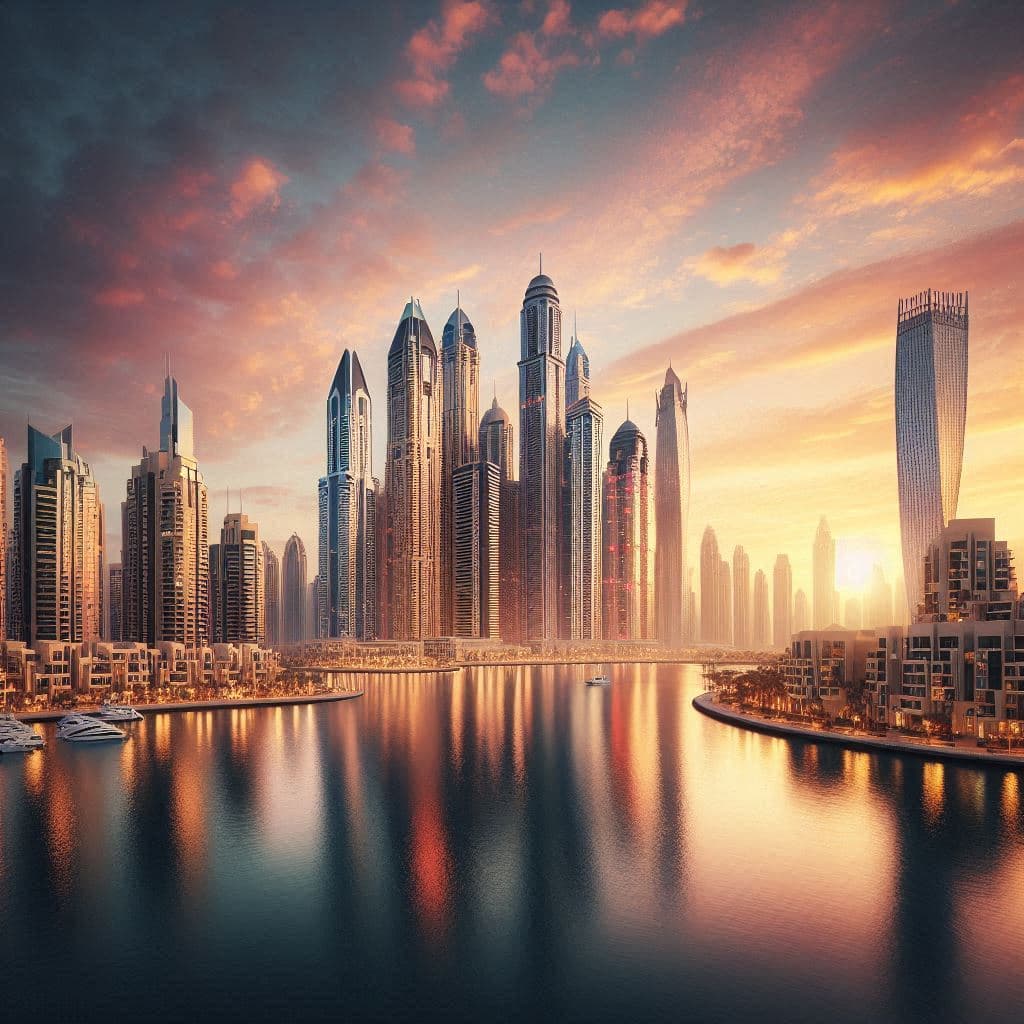
Dubai's skyline often appears like a mirage rising from the desert, with glass and steel structures reflecting both ambition and possibility. Yet behind every tower and gated community lies a quieter story, one not solely written in square meters or market cycles, but in intention. Real estate in Dubai is increasingly viewed as a means of continuity, legacy, and the careful choreography of wealth across generations.
For many investors, Dubai's property market initially enters the conversation as a transaction. A purchase is made, a yield calculated, and a title deed secured. However, as portfolios mature, the narrative tends to shift. Properties begin to communicate with one another, forming a broader picture that includes liquidity planning, family governance, residency considerations, and long-term asset protection. In this evolving environment, managing real estate becomes less about buying and selling, and more about stewardship.
Dubai's appeal rests not only in its architectural confidence but also in its evolving financial ecosystem. Tax efficiency, global connectivity, and regulatory clarity have encouraged investors to view property as one component within a broader wealth framework. Residential holdings, commercial assets, and mixed-use developments increasingly sit alongside trusts, operating companies, and succession structures. The emphasis is shifting from isolated performance to how each asset supports the whole.
Holistic management often begins with alignment. Investors assess how properties serve their broader objectives, whether income stability, capital preservation, or intergenerational transfer. A luxury apartment overlooking the Marina may offer lifestyle value today, while a logistics warehouse quietly anchors long-term cash flow. When viewed collectively, these assets form a narrative of balance rather than speculation.
Risk management is approached with a gentler hand in this context. Instead of reacting sharply to market fluctuations, many property owners adopt measured strategies, spreading exposure across locations and asset classes. Professional advisory teams, often blending real estate expertise with private wealth planning, help ensure decisions are informed not just by market signals, but by personal horizons.
As families grow and borders blur, Dubai's role as a wealth hub becomes increasingly pronounced. Property ownership intersects with residency programs, business expansion, and estate planning, fostering conversations that extend well beyond bricks and mortar. The city transforms into not just a place to invest, but a place to organize one's financial life with intention.
In this way, Dubai's real estate narrative continues to mature. It transcends transactions and delves into relationships — between assets, generations, and long-term goals. The market remains active, but its most meaningful developments are often the quiet ones, where wealth is managed thoughtfully, and property is allowed to play its part in a larger, enduring design.
AI Image Disclaimer: Illustrations were produced with AI and serve as conceptual depictions rather than real photographs.
Published by Banx Network. This article is part of the Banx decentralized media programme, powered by the BXE token on the XRP Ledger.