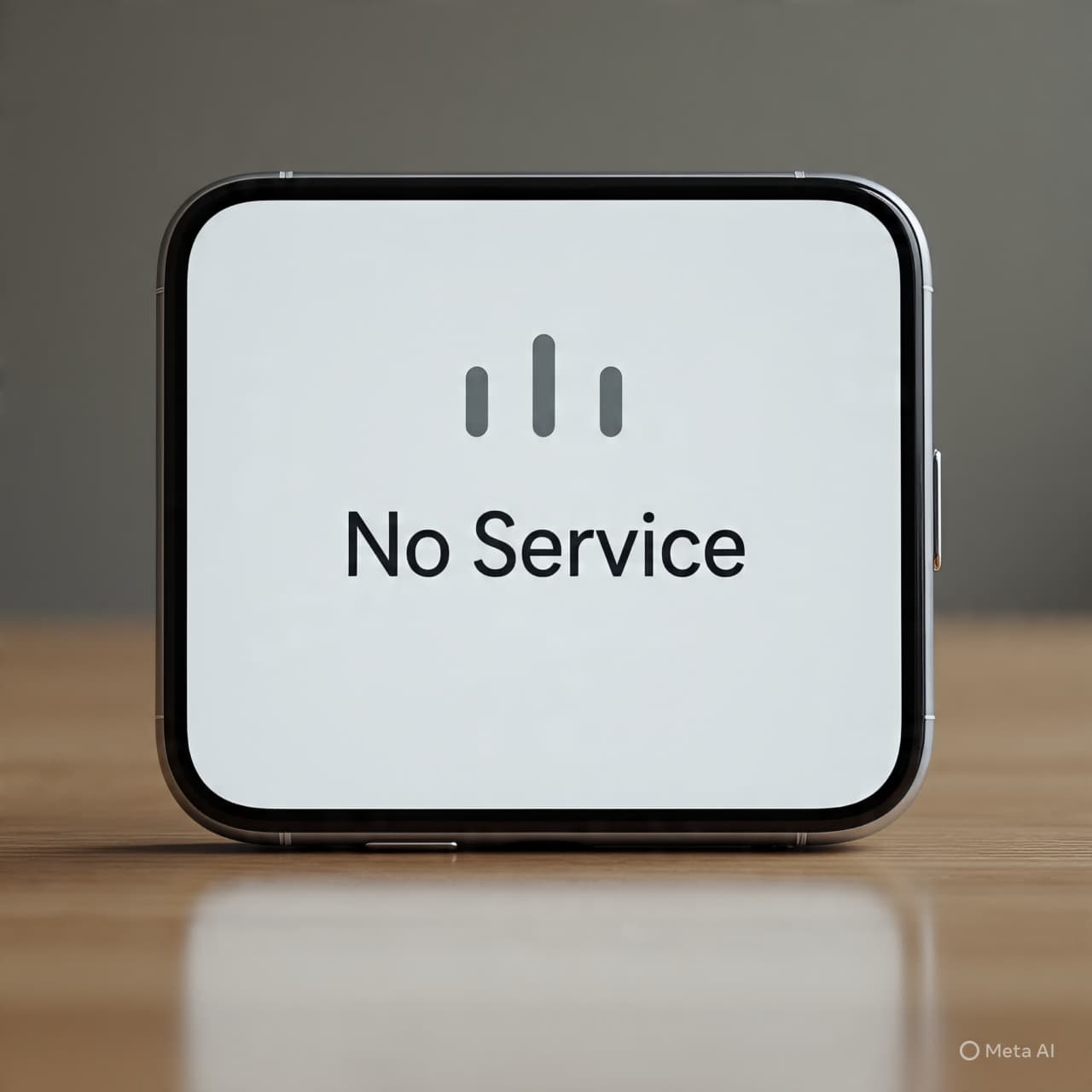
Technology moves forward with a quiet confidence. Each year, sleeker devices arrive, promising faster speeds and brighter screens. We hold them in our hands as symbols of progress — small, polished windows into a rapidly evolving world. Yet sometimes, progress leaves behind invisible footprints, and those footprints can surprise even the newest devices.
The nationwide 3G network shutdown, completed by major U.S. carriers in recent years, was framed as a natural step forward. As companies such as , , and moved resources toward faster 4G LTE and 5G infrastructure, older networks were gradually retired. The reasoning was straightforward: maintaining aging 3G systems consumed spectrum and operational costs that could be redirected toward more advanced services.
At first glance, the shutdown seemed to affect only older flip phones and early smartphones. Devices released more than a decade ago, limited to 3G connectivity, understandably lost service. But the reality has proven more nuanced. Some newer smartphones — even models released within the last several years — have experienced disruptions.
The reason lies not in the age of the device, but in its internal design. Certain smartphones, particularly budget models or imported variants, rely on 3G networks for specific functions such as voice calls. While these phones may support 4G LTE data, they sometimes lack Voice over LTE (VoLTE) capability, which enables voice calls to run entirely over 4G networks. When 3G was active, these devices quietly fell back to 3G for calls. With 3G gone, that fallback option disappeared.
In other cases, compatibility issues have emerged because carriers maintain approved device lists. Even if a smartphone technically supports LTE bands, it may not be certified for VoLTE on a particular carrier’s network. Without certification, the phone may struggle to register properly for voice service. This has particularly affected unlocked phones and international models not specifically configured for U.S. carrier standards.
Regulatory agencies such as the had warned that the 3G sunset could impact more than just phones. Medical alert systems, vehicle emergency services, and security alarms were also affected. The broader lesson has been that network evolution touches many layers of technology, not all of them obvious to consumers.
For smartphone users, the practical issue often becomes clear only when calls fail to connect or text messages behave unpredictably. In some cases, a software update enabling VoLTE resolves the problem. In others, the hardware itself lacks necessary support, leaving replacement as the only long-term solution.
The transition reflects a larger truth about digital infrastructure. Newer does not always mean immune. A phone purchased recently but designed for a different network environment may still depend on systems that no longer exist. Progress in telecommunications tends to move in generational shifts, and each shift closes certain doors while opening others.
Carriers maintain that retiring 3G allows for expanded 5G coverage and improved overall network efficiency. Consumers are encouraged to verify device compatibility directly with their service provider and confirm that VoLTE is enabled in device settings.
The 3G shutdown is largely complete across the United States. While most modern smartphones continue to function without interruption, some devices — including certain newer or international models — may face limitations if they rely on outdated voice technologies. As networks continue to evolve, compatibility remains as important as innovation.
AI Image Disclaimer Visuals are created with AI tools and are not real photographs.
Sources CNN Business The Verge CNET The Wall Street Journal Federal Communications Commission
Published by Banx Network. This article is part of the Banx decentralized media programme, powered by the BXE token on the XRP Ledger.