In the quiet corridors of diplomatic discourse, where public declarations often mask private complexities, a recent revelation has shed light on the intricate balancing act of Australian foreign policy. Deputy Prime Minister Richard Marles’ candid acknowledgment that the government’s stance on Hamas was "flawed" offers a rare glimpse into the internal deliberations that shape national positions on global conflicts. This admission, though made in private, resonates with the broader challenges of navigating moral imperatives and strategic alliances.
The context of this reflection is the ongoing conflict in Gaza, a situation that has tested the resolve and consistency of governments worldwide. For Australia, a nation that prides itself on humanitarian values while maintaining strong international partnerships, the path forward has been fraught with difficult choices and evolving perspectives.
Body: Marles’ comments, reportedly made during a closed-door discussion, highlight the difficulty of formulating a unified response to a multifaceted crisis. The initial labeling of Hamas actions and the subsequent evolution of language reflect a learning curve in real-time diplomacy, where new information and shifting ground realities demand constant reassessment.
Critics have long argued that the government’s early rhetoric lacked nuance, potentially alienating segments of the community who felt their concerns were not adequately addressed. The admission of flaw serves as an acknowledgment of these criticisms, suggesting a willingness to adapt and refine the approach based on feedback and deeper understanding.
This moment of introspection is not unique to Australia but mirrors a global trend where nations are grappling with the complexities of modern warfare and asymmetric threats. The distinction between combatants and civilians, and the proportionality of responses, remain central debates in international law and ethics.
For the Australian public, the revelation invites a conversation about transparency and accountability in foreign policy. It raises questions about how decisions are made and whether there is sufficient room for dissent and correction within the executive branch. The hope is that such admissions lead to more robust and inclusive policy-making processes.
Internationally, the shift in tone may influence Australia’s relationships with Middle Eastern nations and its standing in multilateral forums. A more nuanced approach could foster greater dialogue and cooperation, essential components for any lasting resolution to the conflict.
However, the challenge lies in translating private admissions into public action. Consistency between words and deeds is crucial for maintaining credibility, both domestically and abroad. The government must now demonstrate how this recognition of flaw translates into tangible changes in policy and engagement.
As the situation in Gaza continues to evolve, so too must the responses of the international community. Marles’ reflection serves as a reminder that policy is not static but a dynamic process that requires humility and adaptability.
Closing: The acknowledgment of flaws in Australia’s stance on Hamas underscores the complexity of international relations. It highlights the importance of continuous evaluation and the courage to admit when adjustments are necessary for the sake of justice and peace.
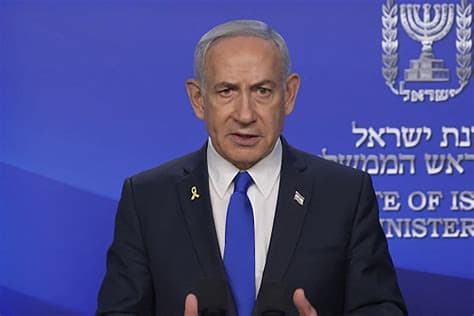
AI Image Disclaimer: The visuals accompanying this article are AI-generated illustrations designed to reflect the themes of diplomacy and reflection.
Sources: The Sydney Morning Herald ABC News Australia The Guardian Reuters
Published by Banx Network. This article is part of the Banx decentralized media programme, powered by the BXE token on the XRP Ledger.

.jpg&w=3840&q=75 "EU Gambling Levy Omitted From Irish MFF Budget Draft, but Remains Under Discussion")