Some buildings are designed not just to shelter, but to symbolize permanence. Rising above Hyde Park with its polished façades and guarded entrances, One Hyde Park long stood as a monument to certainty — an address where solidity was assumed, not questioned. Yet even the most carefully constructed landmarks can carry quiet imperfections, hidden until time and patience bring them gently into view.
After years of dispute and deliberation, residents of the ultra-luxury London development have won a significant legal battle over building defects estimated at £35 million. The High Court ruling found that serious design and construction flaws — ranging from water leaks to fire-safety concerns — required extensive remedial work, validating long-standing concerns raised by homeowners.
The case unfolded slowly, much like the issues it examined. Residents described persistent water ingress, failing drainage systems, and defects that disrupted daily life in homes designed for comfort and discretion. What initially appeared as isolated inconveniences gradually formed a broader pattern, prompting collective legal action against those responsible for the development’s construction and design.
Throughout the proceedings, the court examined technical evidence with care, weighing expert testimony against contractual responsibilities. The judgment ultimately concluded that the defects were not superficial or inevitable signs of wear, but fundamental failures that should never have occurred at a development of such scale and cost. In doing so, it affirmed that expectations of quality do not diminish simply because a property occupies the highest end of the market.
For residents, the ruling represents more than financial redress. It brings a measure of closure to years marked by uncertainty and quiet frustration, and it restores confidence in a system designed to protect homeowners when standards fall short. The outcome also serves as a reminder that legal accountability extends to even the most prestigious projects, where reputation alone cannot substitute for sound construction.
As repairs and remedial works now move forward, One Hyde Park remains what it has always been — an architectural landmark — but one that now carries a quieter lesson. In the end, the court’s decision stands not as a rebuke, but as a reaffirmation: that diligence, transparency, and responsibility remain the foundations upon which lasting structures are built.
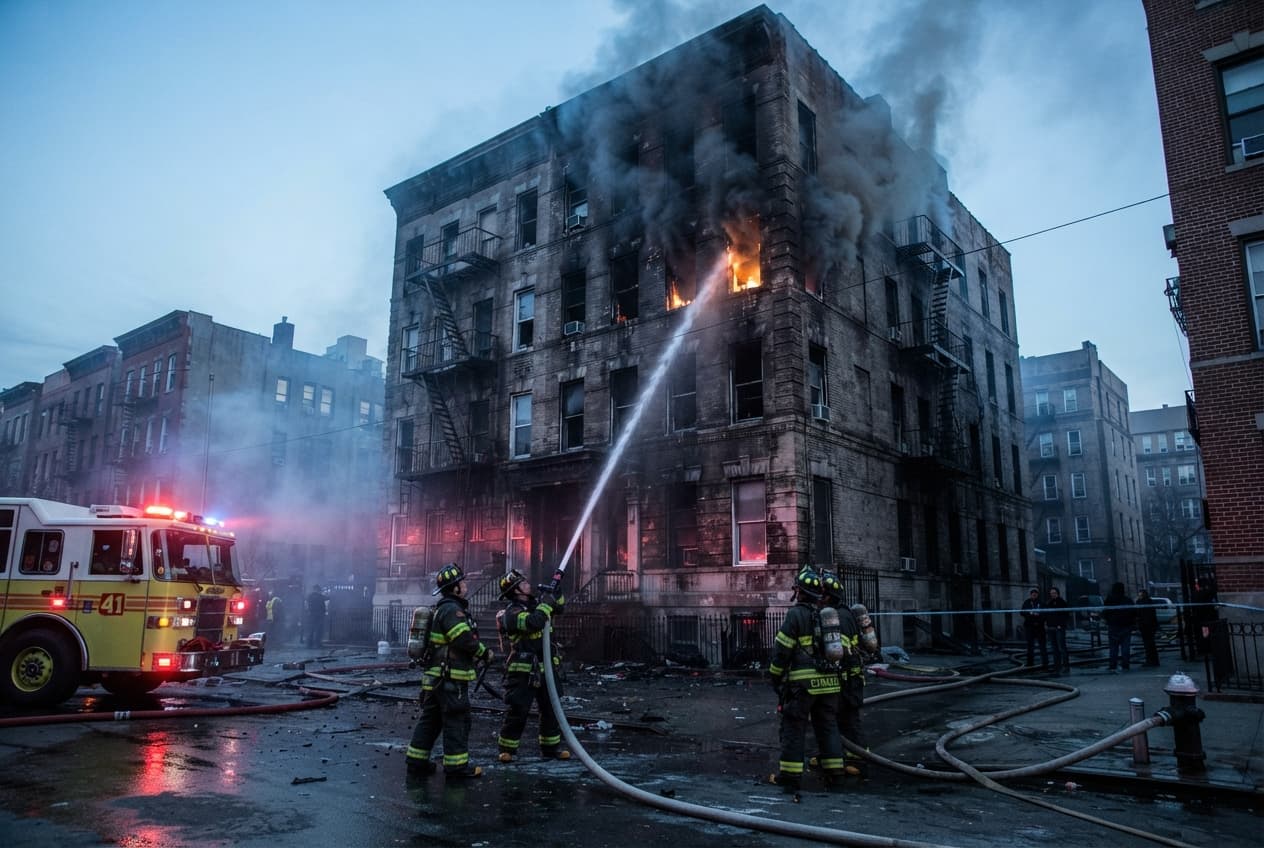
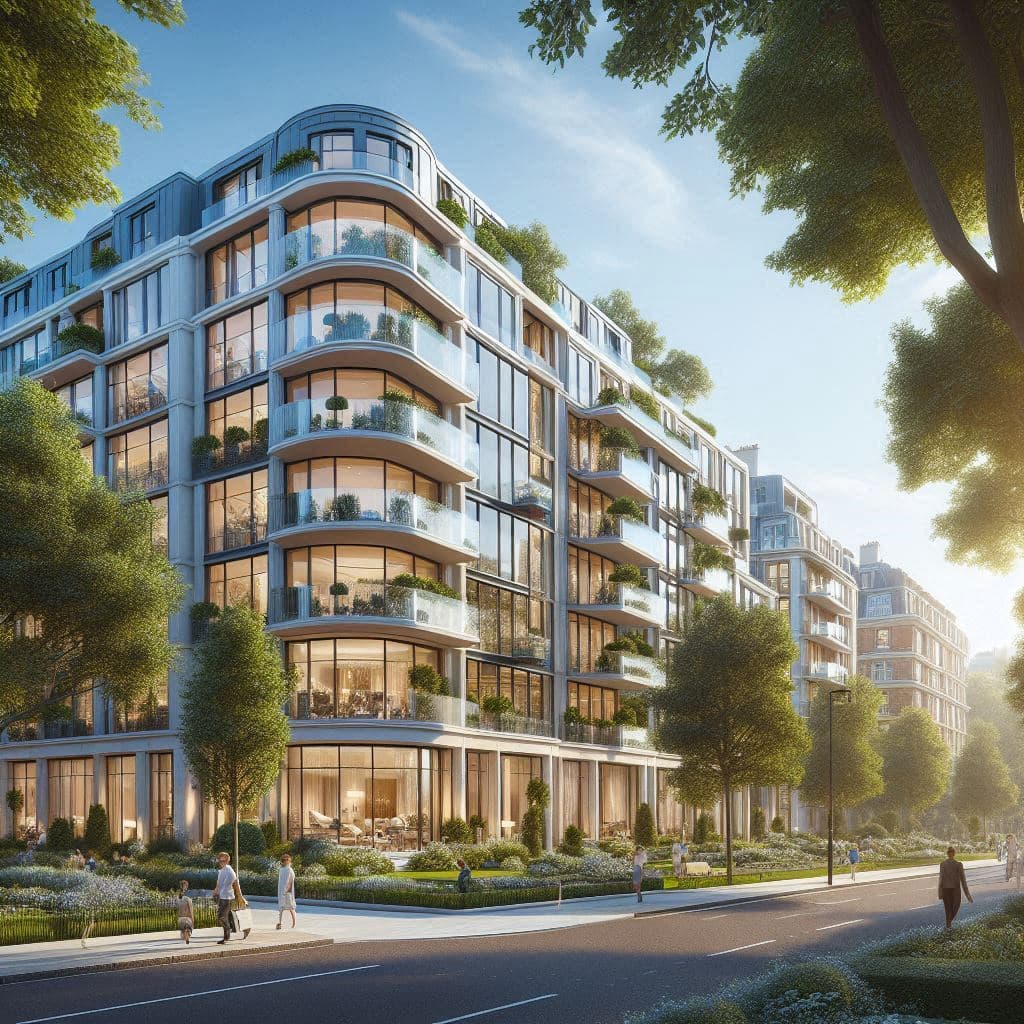
AI Image Disclaimer “Graphics are AI-generated and intended for representation, not reality.”
Sources Financial Times The Guardian BBC News Bloomberg The Times (UK)
Published by Banx Network. This article is part of the Banx decentralized media programme, powered by the BXE token on the XRP Ledger.