
Key Highlights
- Incident:An air traffic controller admitted to making a mistake, prompting discussions on human error in aviation.
- Safety Systems:Experts emphasize that aviation safety protocols are designed to mitigate individual errors.
- Human Element:The incident highlights the ongoing tension between human limitations and the expectation of precision in high-stakes environments.
The aviation industry is built on precision and safety, where the stakes are incredibly high, and the margin for error is razor-thin. Recently, an air traffic controller's candid admission of a mistake—simply stating, "I messed up"—has ignited a broader conversation about the role of human error in air traffic management and the systems designed to prevent such errors from escalating into disasters.
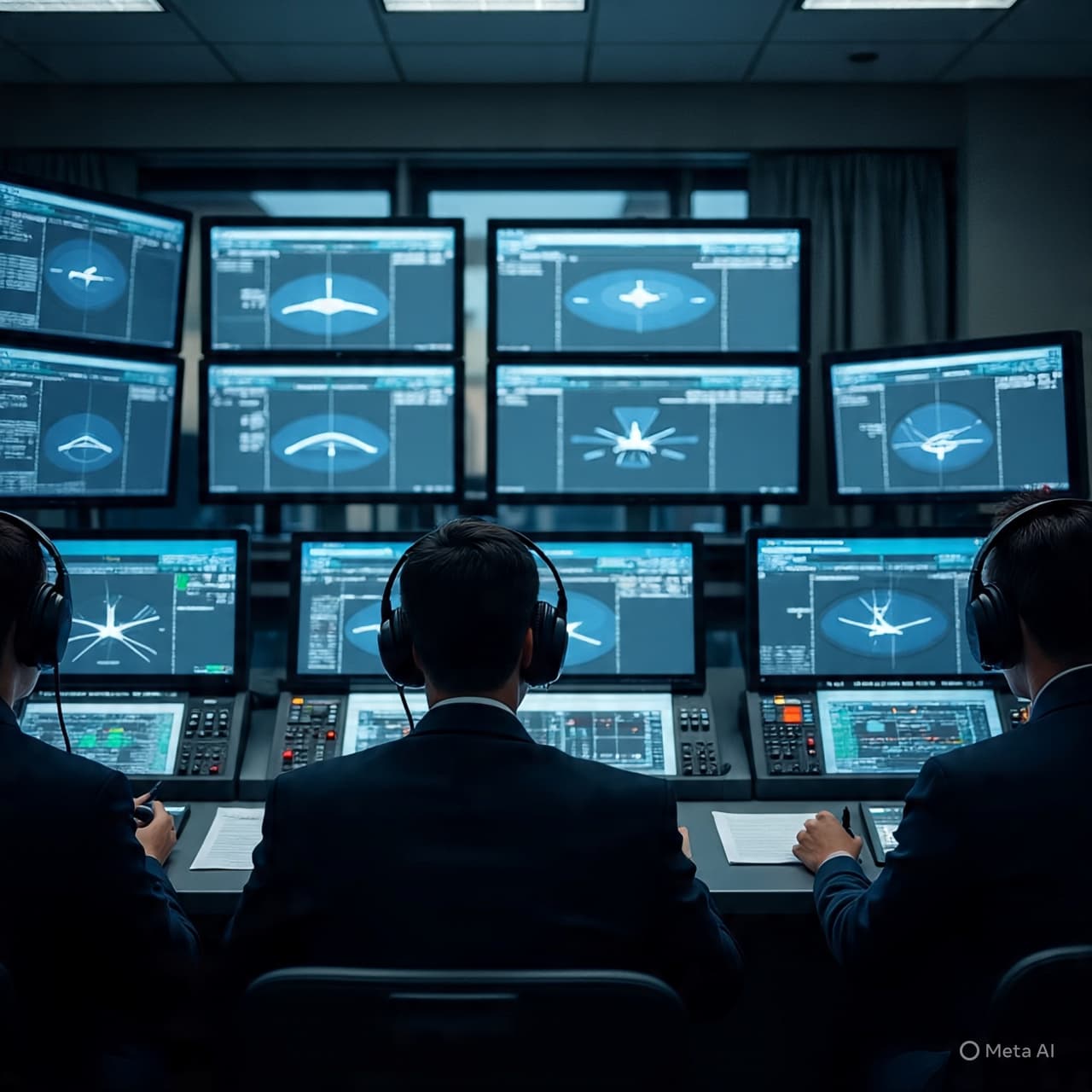
Air traffic controllers operate in a high-pressure environment, tasked with guiding aircraft safely through shared airspace. Their responsibilities include maintaining safe distances between planes and managing the continuous flow of air traffic. This role requires extensive training and experience, as well as a deep understanding of complex systems. However, as this recent incident illustrates, even the most skilled professionals can falter under pressure.
Experts in aviation safety have responded to the incident by emphasizing that while individual errors can occur, they are typically absorbed by the layered safety systems in place. These systems include redundancies, cross-checks, and technological aids designed to prevent a single mistake from leading to catastrophic outcomes. The aviation industry has long recognized the inevitability of human fallibility and has built safeguards to mitigate its impact.
The phrase “I messed up” transcends a mere admission of fault; it encapsulates the ongoing struggle between the expectation of flawless performance and the reality of human limitations. Rather than indicating a systemic failure, such admissions can reinforce the necessity of maintaining and enhancing the structures that support air traffic controllers. Experts argue that these moments of vulnerability can lead to improvements in training and operational protocols, ultimately strengthening the safety framework.
In addition to addressing human error, the aviation industry is grappling with the increasing complexity of modern airspace. As global travel patterns evolve and traffic volumes fluctuate, the demands on air traffic controllers are shifting. Ensuring that staffing levels, training programs, and support systems keep pace with these changes is a critical priority for the industry.
Technology is also playing an increasingly significant role in air traffic management. Automated systems assist with monitoring and alerts, providing an additional layer of oversight. However, these tools are intended to complement human judgment rather than replace it. The interaction between human decision-making and technological support is a collaborative process that relies on clarity, trust, and ongoing improvement.
Ultimately, the incident serves as a reminder of the human element in aviation safety. It highlights the individuals behind the systems and the reality that even in highly controlled environments, human presence is both essential and inherently imperfect. Aviation experts continue to stress that safety systems are designed to manage and mitigate human error, and incidents like this are thoroughly reviewed to enhance existing protocols. While the admission has drawn attention, the overarching framework of air traffic safety remains focused on maintaining reliability through multiple layers of protection.
Published by Banx Network. This article is part of the Banx decentralized media programme, powered by the BXE token on the XRP Ledger.



