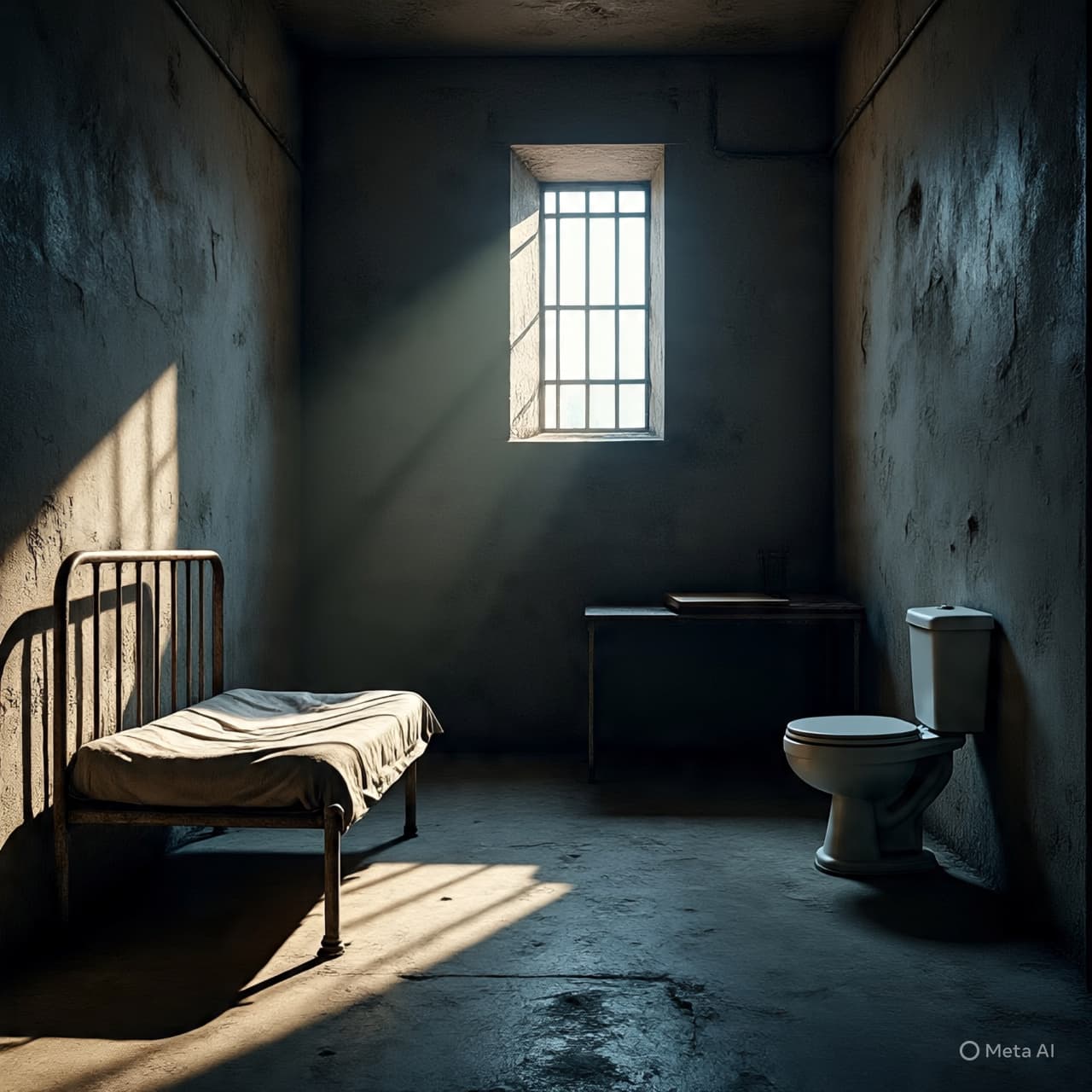
Some falls from grace echo louder than others. In France, a former president now invites the public into the most humiliating chapter of his life: twenty days spent behind bars. Nicolas Sarkozy, once surrounded by the trappings of the Élysée Palace, has published memoirs that detail a confinement he likens to a “cheap hotel”—a comparison that reveals just how far from power he has drifted.
Across 200 pages, Sarkozy recounts life inside a cell that offended every instinct of comfort he had cultivated during years of political prestige. A hard mattress. Bland food. A shower that seemed designed to frustrate. Even the soundtrack — a neighbor endlessly knocking on metal bars and breaking into song — added to his sense of indignity.
He writes not like a hardened inmate but like a man unprepared for such raw confinement, a leader who once shaped French history and then found himself measured by prison rules instead of presidential authority. Reviewers, granted early access to the memoir, detect a portrait of a figure struggling to reconcile past grandeur with present accountability.
The honesty may be intentional — an attempt to humanize and elicit sympathy — or it may simply expose how sharply the contrast stings: when a privileged world collapses into a locked room, the mind rebels.
Sarkozy’s latest book is more than a diary of discomfort; it is a reminder that justice levels even the highest. And yet, his reflections also suggest that true punishment for the powerful is not the cell itself — but learning to endure it without the privileges once taken for granted.
Published by Banx Network. This article is part of the Banx decentralized media programme, powered by the BXE token on the XRP Ledger.