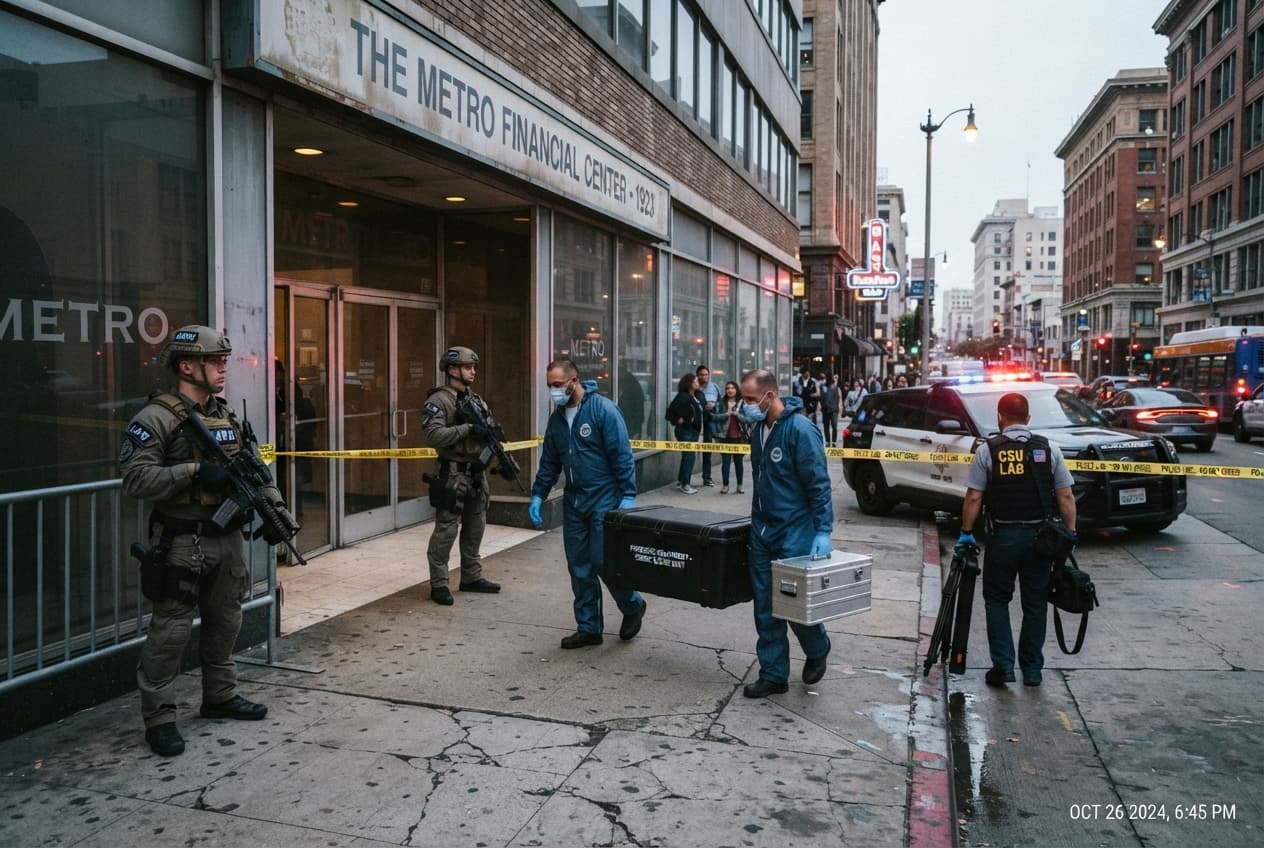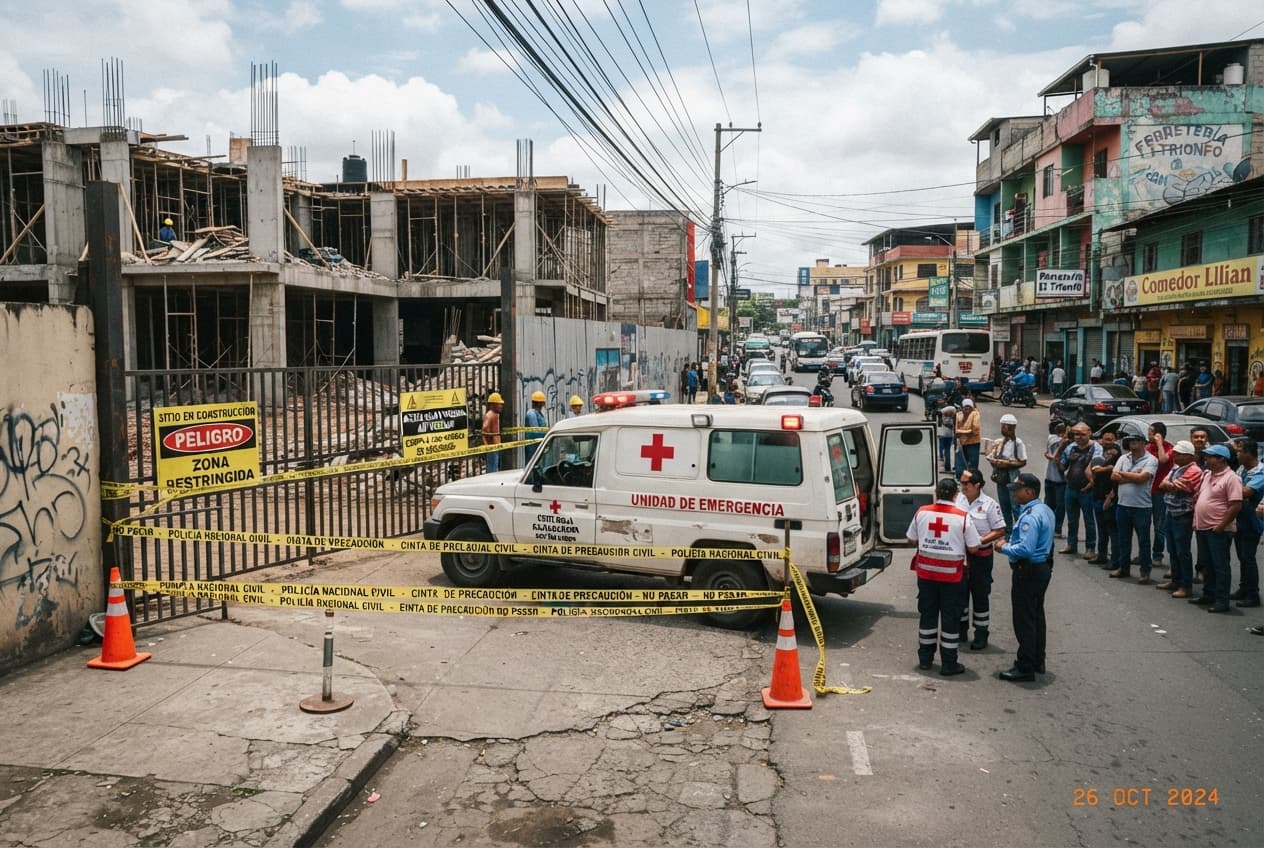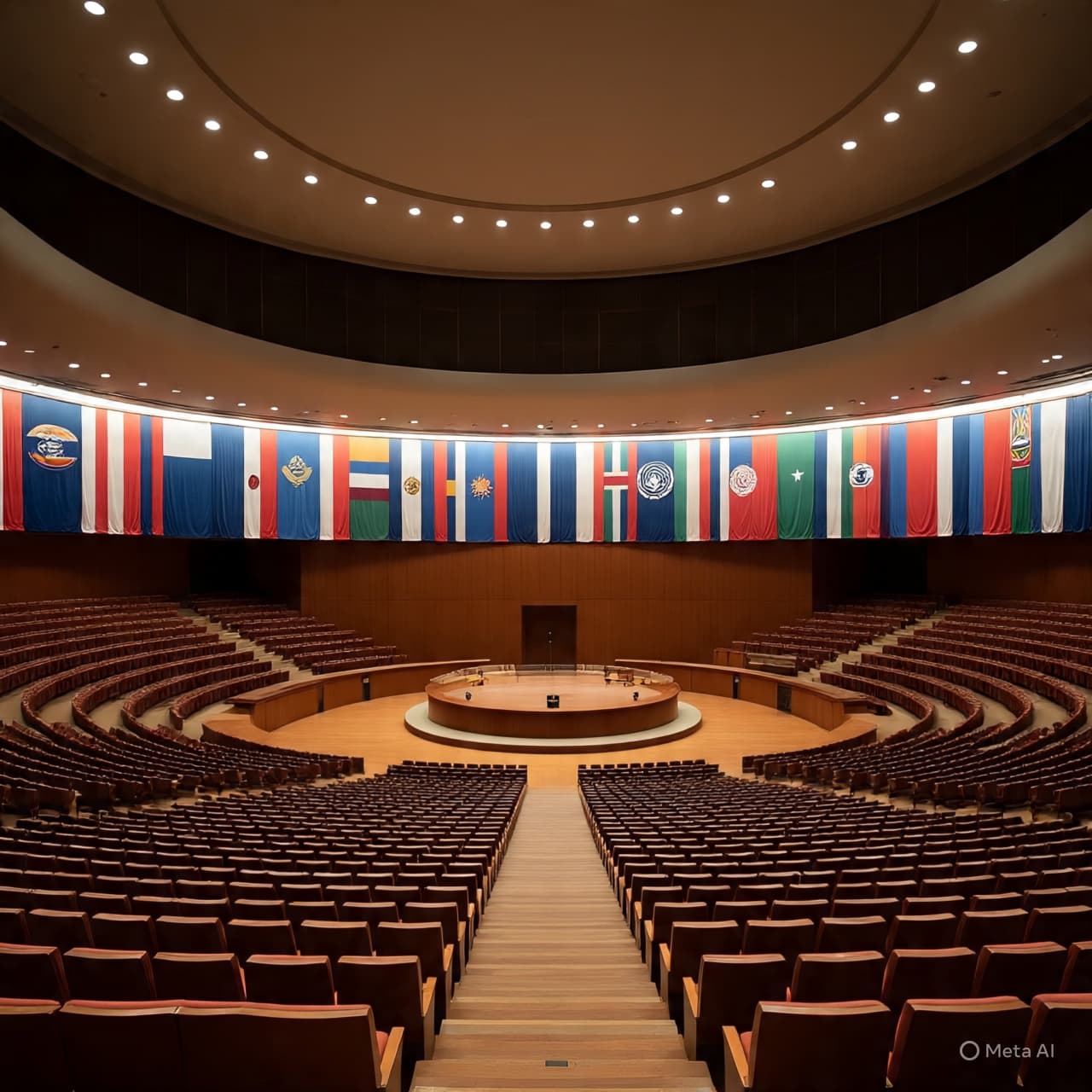
In the architecture of international order, some moments arrive not with certainty but with disturbance. They move quietly, carried by reports, denials, and conjecture, unsettling assumptions rather than breaking them outright. Recent claims surrounding the Trump administration and Venezuelan leader Nicolás Maduro occupy that uneasy space, where suggestion alone is enough to make legal scholars pause.
There has been no verified confirmation that Maduro was captured or detained by U.S. authorities. Yet the circulation of such claims — amplified by past indictments, sanctions, and rhetoric — has revived a deeper question: how far can state power reach before the legal scaffolding that supports it begins to bend?
For years, the United States pursued Maduro through financial sanctions, criminal charges, and diplomatic isolation, framing its actions within domestic law and transnational enforcement norms. These measures, while controversial, remained anchored to established mechanisms — courts, treaties, and multilateral pressure. But the mere implication of physical capture beyond U.S. territory suggests a different threshold altogether, one that international law has long treated with caution.
At stake is not a single individual, but the principle of sovereignty itself. International legal frameworks are built on the assumption that borders matter, that even adversarial states acknowledge limits. Extraterritorial arrests, unless conducted with host-state consent or under narrowly defined legal mandates, risk unraveling those assumptions. History offers examples where such actions, real or perceived, have altered diplomatic relationships for decades.
Legal experts note that once power is exercised outside formal structures, precedent becomes difficult to contain. What is framed as exceptional today can quietly become normalized tomorrow. In that sense, the unease surrounding the Maduro claims reflects anxiety not about Venezuela alone, but about the durability of international restraint in an era of asymmetric power.
As of now, no evidence substantiates the reports of Maduro’s capture. U.S. policy toward Venezuela continues to operate through sanctions, legal indictments, and diplomatic positioning rather than confirmed physical enforcement. Still, the conversation stirred by these claims lingers, revealing how fragile confidence in the international legal framework can be when imagination runs ahead of fact. AI Image Disclaimer Illustrations were created using AI tools and are not real photographs.
Publié par Banx Network. Cet article fait partie du programme de médias décentralisés Banx, propulsé par le jeton BXE sur le XRP Ledger.