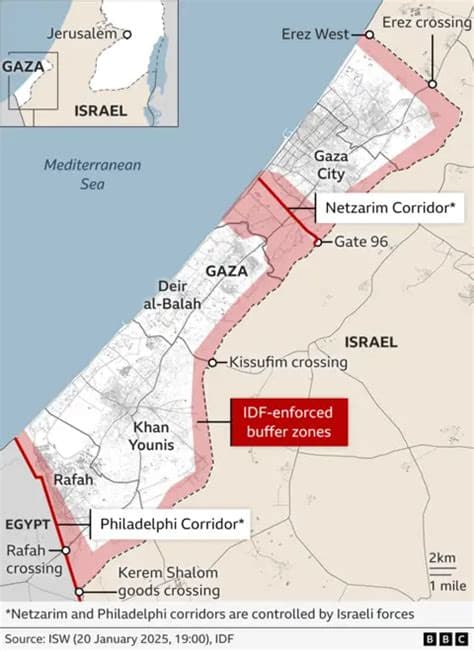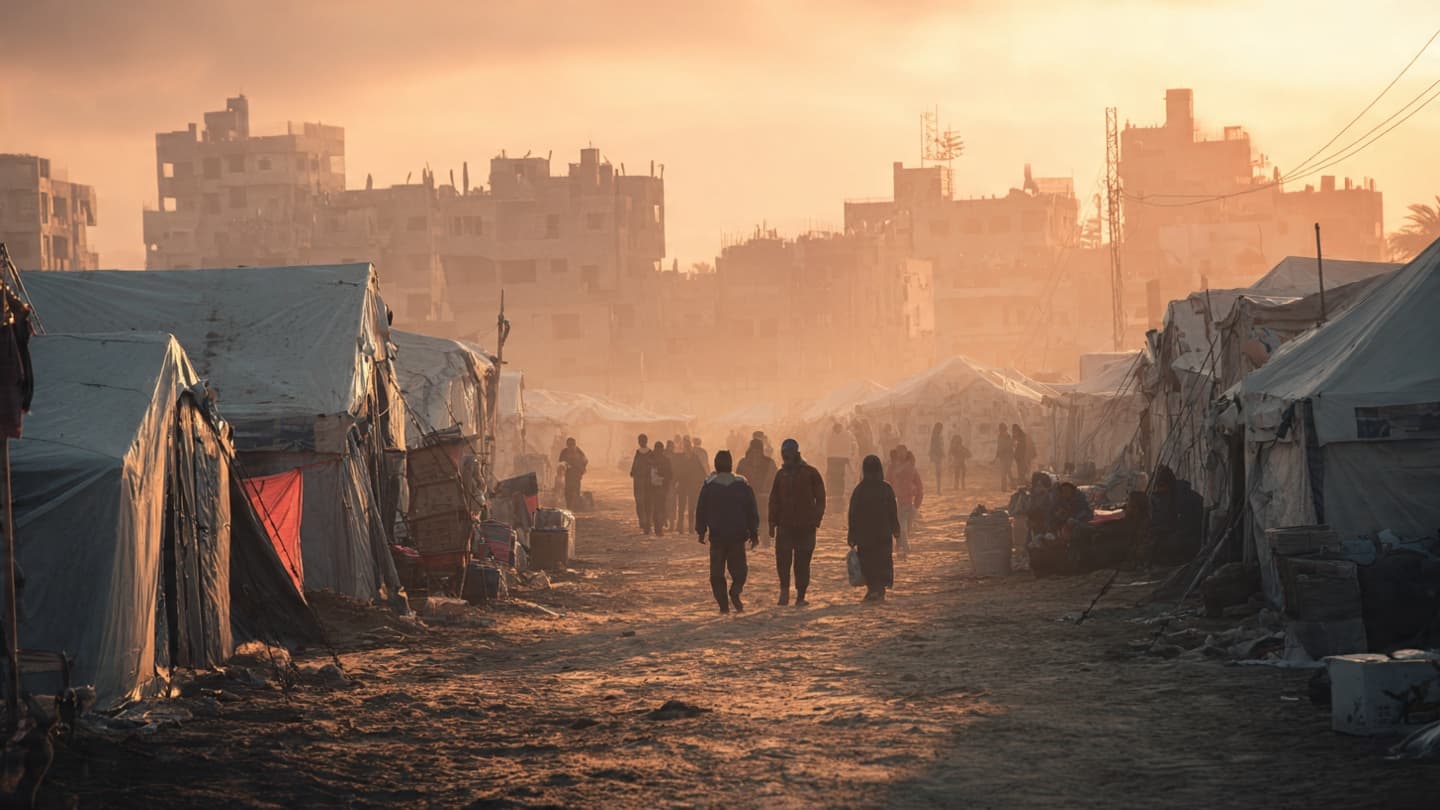
Morning enters Gaza quietly, even when silence is rare. Sunlight reaches broken rooftops, narrow streets, and the tents that have become temporary homes for countless families. The sea still meets the shore with familiar rhythm, but daily life is measured less by the turning of the tide than by the search for water, food, and moments of safety.
Against this backdrop, Hamas's election of Khalil al-Hayya as its new overall leader has become another significant political development for a territory already shaped by years of conflict. The leadership change follows the death of former leader Yahya Sinwar and marks a new chapter for the group at a time when ceasefire negotiations remain fragile and humanitarian conditions continue to deteriorate.
For many Palestinians living in Gaza, however, politics competes with more immediate concerns. Residents interviewed by international media described a desire for stability above all else. Some expressed cautious hope that any new leadership might contribute to ending the conflict, while others voiced skepticism, saying that leadership changes matter little unless daily life becomes safer and essential services begin to recover. Across different opinions, one sentiment emerged repeatedly: people simply want to live without constant fear.
The humanitarian reality continues to overshadow political developments. Much of Gaza's infrastructure has been damaged during nearly three years of war, leaving large numbers of families displaced. Access to healthcare, electricity, clean water, and education remains limited, while reconstruction has progressed slowly amid ongoing security concerns and diplomatic deadlock.
Analysts suggest that al-Hayya's election may signal continuity rather than dramatic change in Hamas's political and military approach. As a senior negotiator and longtime member of the movement's leadership, he has played an important role in discussions involving regional mediators. Observers believe his leadership could influence future ceasefire negotiations, though expectations for rapid progress remain cautious.
Beyond political calculations, ordinary families continue navigating the rhythms of survival. Parents search for medicine, children attend makeshift classrooms where possible, and aid organizations work to deliver food and medical supplies despite persistent logistical challenges. These daily routines rarely appear in official statements, yet they shape the reality experienced by millions.
Regional governments and international mediators continue encouraging renewed diplomatic efforts, recognizing that sustainable peace will require more than changes in leadership. Negotiations involving Egypt, Qatar, Türkiye, and the United States remain central to attempts to secure a lasting ceasefire, humanitarian access, and arrangements for Gaza's future governance.
History often records moments through the names of leaders, agreements, and political decisions. Yet the quieter history belongs to those waiting for ordinary days to return—the shopkeeper reopening a market stall, children walking safely to school, fishermen looking toward calmer waters, and families hoping to sleep through the night without interruption.
As evening settles once more across the Mediterranean coast, Gaza's skyline reflects both uncertainty and endurance. Leadership may change, negotiations may advance or stall, and headlines may shift with each passing week. For many residents, however, the aspiration remains remarkably simple and deeply human: to live in peace, rebuild their homes, and allow future mornings to arrive carrying more promise than fear.
AI Image Disclaimer Visuals are AI-generated and serve as conceptual representations rather than authentic photographs of the events.
Sources Reuters Al Jazeera Associated Press BBC News United Nations Office for the Coordination of Humanitarian Affairs (OCHA)
Published by Banx Network. This article is part of the Banx decentralized media programme, powered by the BXE token on the XRP Ledger.

.jpg&w=3840&q=75 "EU Gambling Levy Omitted From Irish MFF Budget Draft, but Remains Under Discussion")