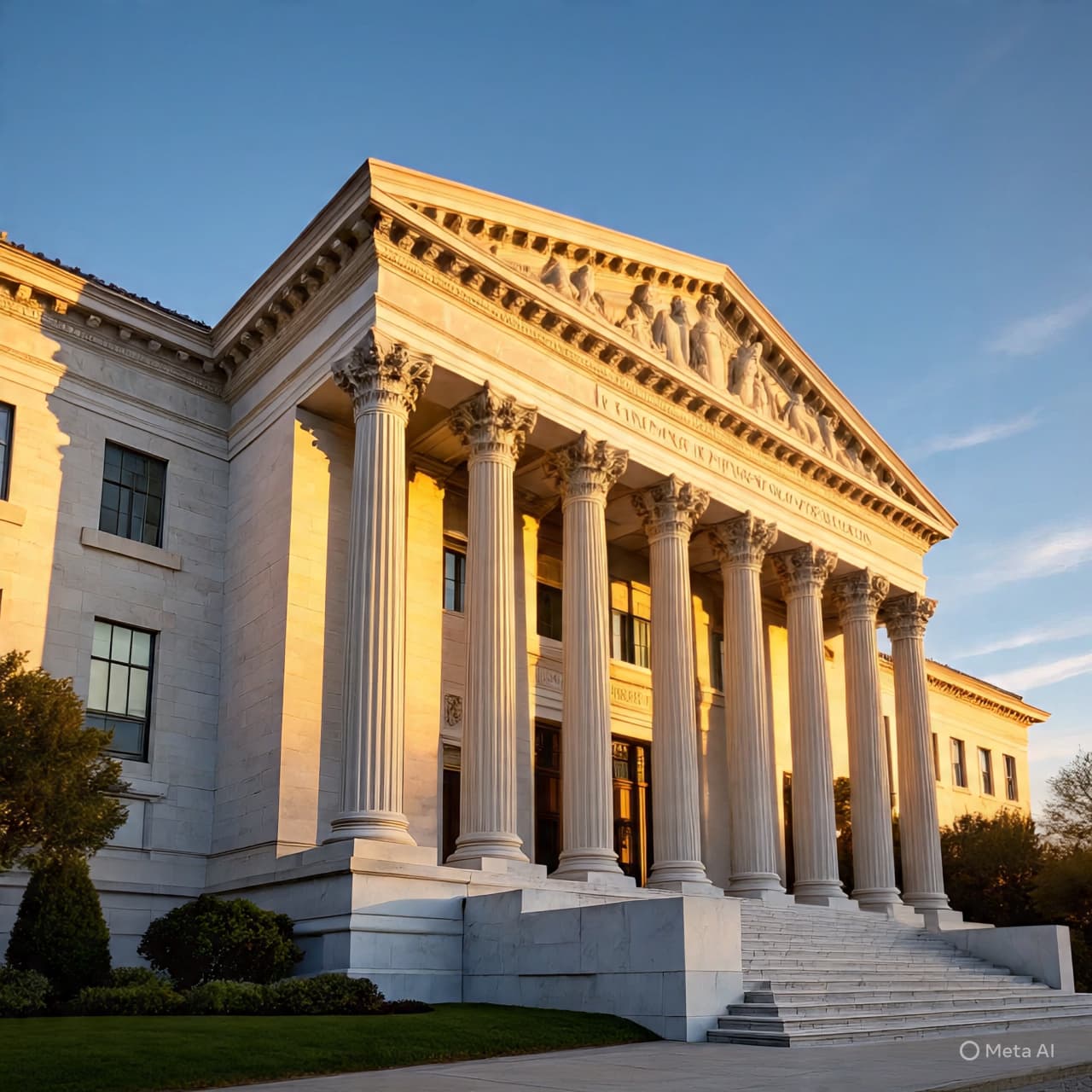
Morning light settled across the federal courthouse in Washington, D.C., glinting off stone façades that have long witnessed disputes over power and policy. Inside, judges of the United States Court of Appeals for the Federal Circuit faced a question that sits at the crossroads of law and commerce: whether to slow the machinery of repayment after sweeping tariffs were struck down.
They declined.
The decision means the process of sorting through billions of dollars in potential refunds will move forward rather than pause. Earlier, the Supreme Court of the United States invalidated key tariffs imposed under the Trump administration, ruling that the executive branch had exceeded its authority. The ruling did not immediately answer what should happen to the vast sums already collected, but it opened the door for importers to seek their return.
Government lawyers had requested additional time, arguing that the executive and legislative branches needed space to consider next steps and administrative options. The appeals court, however, signaled that delay was unwarranted. It sent the matter back to the United States Court of International Trade, which now must determine how refunds should be calculated and distributed.
The scale of the undertaking is immense. Estimates place the collected duties in the tens of billions of dollars, funds drawn from companies that imported goods ranging from industrial components to consumer products. For many businesses, those tariffs became embedded in pricing structures, contracts, and supply chains. If repayments are issued, the economic ripple could extend beyond corporate balance sheets to customers and logistics networks.
For the administration, the ruling underscores the limits of executive discretion in trade policy. For importers, it marks a step toward resolution, though not an immediate payout. Complex litigation and procedural steps lie ahead, and the lower court’s determinations may themselves invite further appeals.
Still, the message from the appellate bench was measured but clear: the judicial process will not wait simply because the sums are large or the policy controversial. In the quiet order of the courtroom, the gears of accountability continue to turn, steady and deliberate.
AI Image Disclaimer
Illustrations are AI-generated visual representations and not actual photographs.
Sources
Associated Press Reuters The Guardian Business Insider
Published by Banx Network. This article is part of the Banx decentralized media programme, powered by the BXE token on the XRP Ledger.