When a technology giant as familiar as Google decides to bring Android—an operating system we’ve long associated with handheld screens and pocket-sized devices—onto the desktop, the move invites both curiosity and caution. The promise is alluring: a unified ecosystem where apps, data, and services flow seamlessly across devices. Yet as this transition unfolds, there are shadows cast by questions about usability, security, and the very nature of our interaction with digital workspaces.
The first concern is adaptation of apps designed for touch screens. Android has thrived on phones and tablets, where swipes, taps, and gestures shape the user experience. Desktop users, however, rely heavily on precision input devices such as mice and keyboards. Translating mobile app interfaces to larger screens may feel unnatural or inefficient, and poorly optimized apps could degrade the overall desktop experience.
Second, security and privacy remain pressing issues. Android on mobile devices already faces challenges with malware and permission management. Expanding this ecosystem to desktops introduces a larger attack surface. Traditional desktop OSs like Windows and macOS have decades of built-in security frameworks for multi-user systems, enterprise environments, and filesystem management. Android must meet those same standards or risk vulnerabilities that could compromise both personal and professional data.
A third concern lies in compatibility with legacy desktop software and workflows. Professionals rely on specialized productivity suites, creative tools, and enterprise applications. If Android cannot seamlessly integrate with existing software or emulate the functionality of long-standing desktop programs, users may experience friction that outweighs the convenience of a unified ecosystem.
Fourth, performance and resource management present potential obstacles. Android was designed to run efficiently on hardware with limited memory and processing power. Desktop environments, in contrast, often demand multitasking, windowed applications, and robust performance over extended periods. If Android cannot handle these requirements gracefully, users may encounter lag, crashes, or resource bottlenecks, undermining the promise of a productive desktop environment.
Finally, there is the question of user adoption and long-term support. Many desktop users are accustomed to mature operating systems with consistent updates, clear troubleshooting paths, and large developer communities. If Android struggles to cultivate a similar ecosystem for desktop users, it risks remaining a niche experiment, valuable in theory but limited in practice.
These concerns, however, are not necessarily insurmountable. Each highlights an area where Google must tread carefully, balancing innovation with reliability. The allure of a unified Android ecosystem is compelling, but its success depends on translating mobile familiarity into desktop robustness without compromising the expectations users have grown accustomed to over decades of computing experience.
As Android stretches beyond handheld devices, it carries with it the weight of both opportunity and scrutiny. The ecosystem promises flexibility and integration, yet it must navigate the practical realities of desktop usage, security, and performance. For now, the questions linger, reminding users and developers alike that ambition must be tempered with meticulous design and cautious implementation.
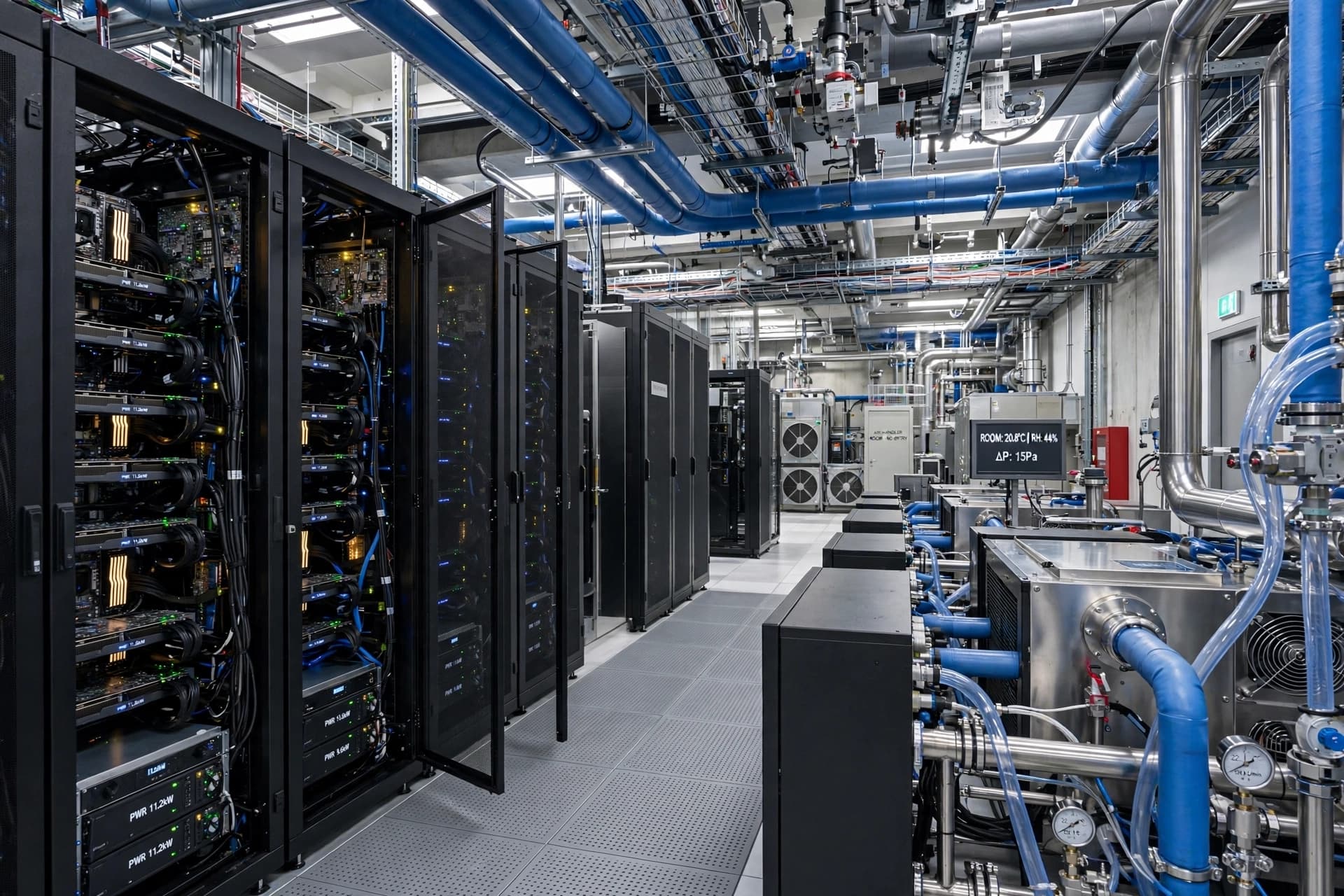
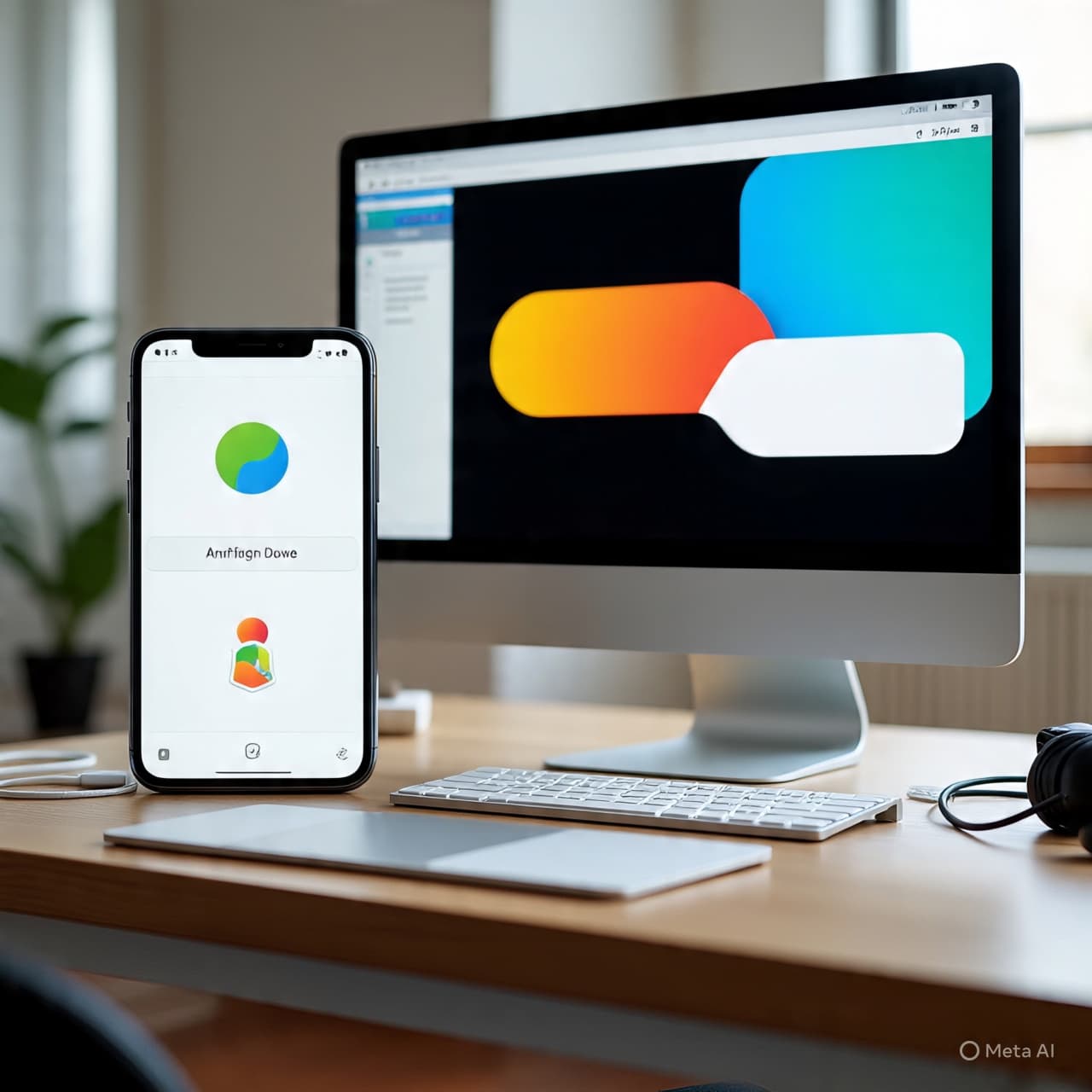
AI Image Disclaimer Images in this article are AI-generated illustrations, meant for concept only.
Sources The Verge Android Authority Ars Technica CNET TechCrunch
Published by Banx Network. This article is part of the Banx decentralized media programme, powered by the BXE token on the XRP Ledger.