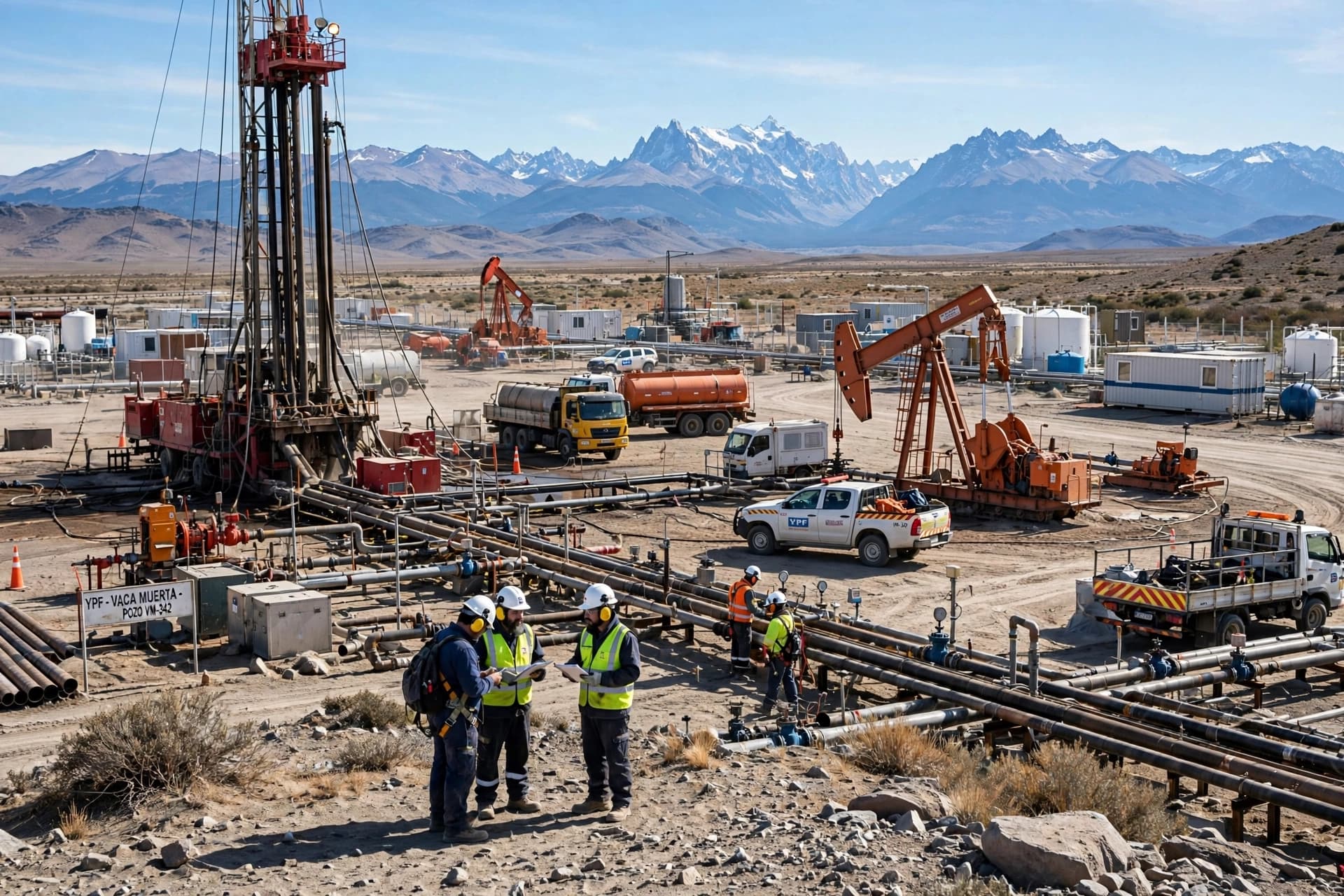
Across the open terrain of Patagonia, the machinery of energy production can appear almost small against the landscape. Yet each drilling rig represents a connection between underground resources and a much larger economic system, and YPF’s latest results show how powerful that connection has become.
Argentina’s state energy company YPF reported net profit of $1.21 billion for the second quarter of 2026, compared with $58 million during the same period one year earlier. Reuters reported that the increase was supported by higher shale oil production, record processing volumes, and stronger international oil prices.
The result marked a substantial improvement for the company. Revenue increased 42% year over year to $6.57 billion, while adjusted EBITDA reached $2.80 billion, described by Reuters as the company’s highest quarterly performance.
Much of the movement can be traced to Vaca Muerta, the shale formation that has become one of the most important parts of Argentina’s energy industry. YPF’s shale oil production averaged approximately 213,000 barrels per day during the quarter, an increase of 47% from the previous year.
The company has set a target of reaching 250,000 barrels per day of shale oil production by the end of 2026. Overall crude oil production averaged around 266,000 barrels per day, while natural gas production declined by 6% during the period.
Behind these figures is a gradual transformation of Argentina’s energy infrastructure. Shale production depends on continuous drilling and completion activity, transportation networks, processing facilities, and the ability to maintain competitive costs. Production growth therefore represents not only what happens at individual wells but also how effectively the wider system operates.
YPF has also pointed toward operational efficiency and cost control as factors supporting its financial performance. Those elements become particularly important as companies expand unconventional production, where maintaining productivity while controlling capital and operating costs can shape the economics of new development.
The stronger quarter has also encouraged YPF to raise its 2026 investment forecast to $6.2 billion from $5.8 billion. Its annual EBITDA forecast was raised to $8 billion from $6 billion, with higher oil prices contributing to the improved outlook.
At the same time, YPF is pursuing a much larger vision for Argentina’s natural gas resources. The proposed $51 billion Argentina LNG project, involving YPF, Eni, and XRG, seeks to connect Vaca Muerta production with international LNG markets. YPF has applied for the project to enter Argentina’s RIGI investment framework.
The latest financial results therefore offer a snapshot of an energy company moving through a period of rapid production growth. The figures are strong, but future performance will continue to depend on oil prices, production efficiency, infrastructure expansion, and the progress of larger projects. For now, YPF’s $1.21 billion quarterly profit provides the clearest recent measure of the growing contribution of Argentina’s shale industry.
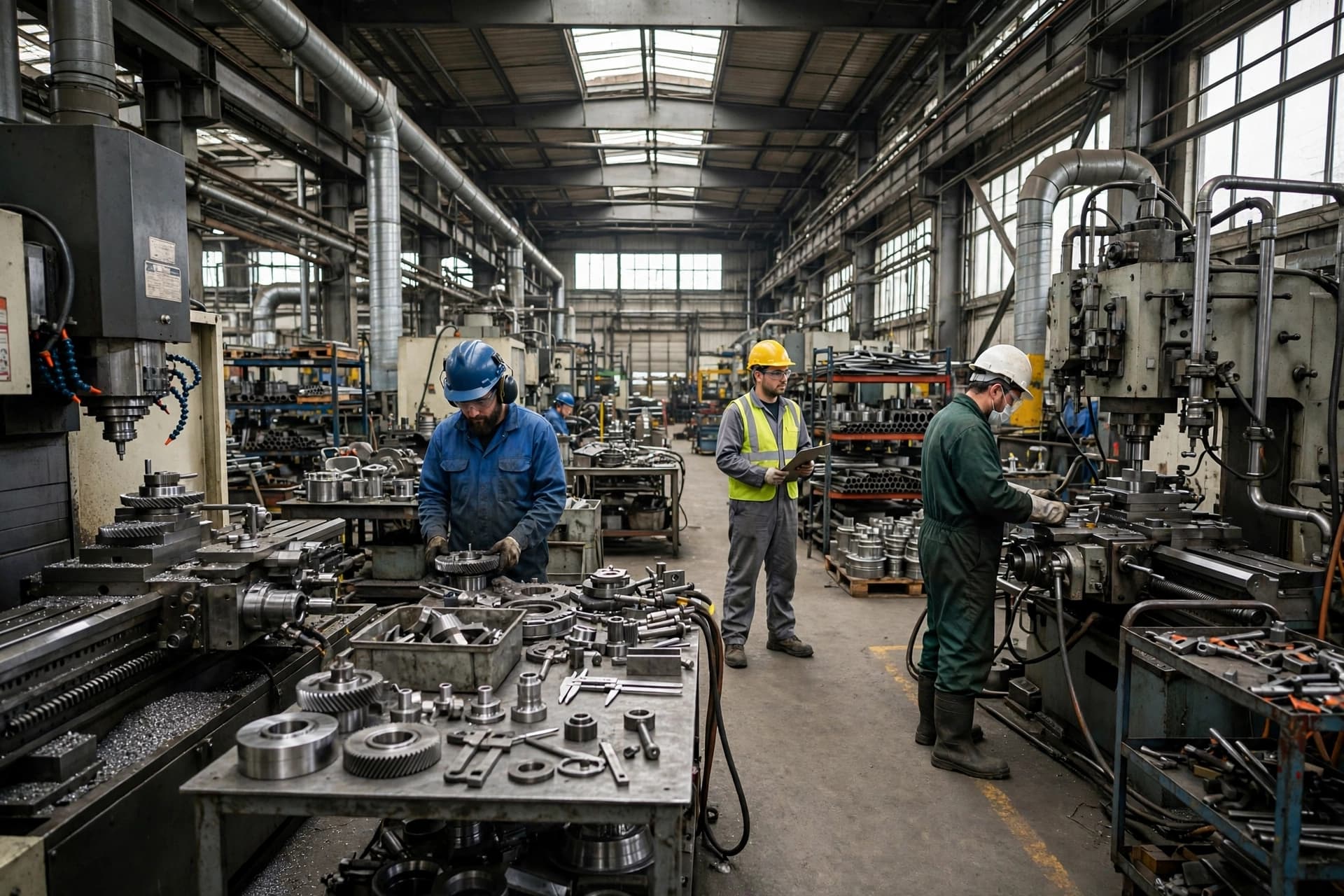
AI Image Disclaimer The accompanying illustrations were generated with artificial intelligence as conceptual visuals and do not depict actual photographs from YPF facilities.
Sources Reuters YPF Investing.com Argentina LNG Barron’s
Published by Banx Network. This article is part of the Banx decentralized media programme, powered by the BXE token on the XRP Ledger.