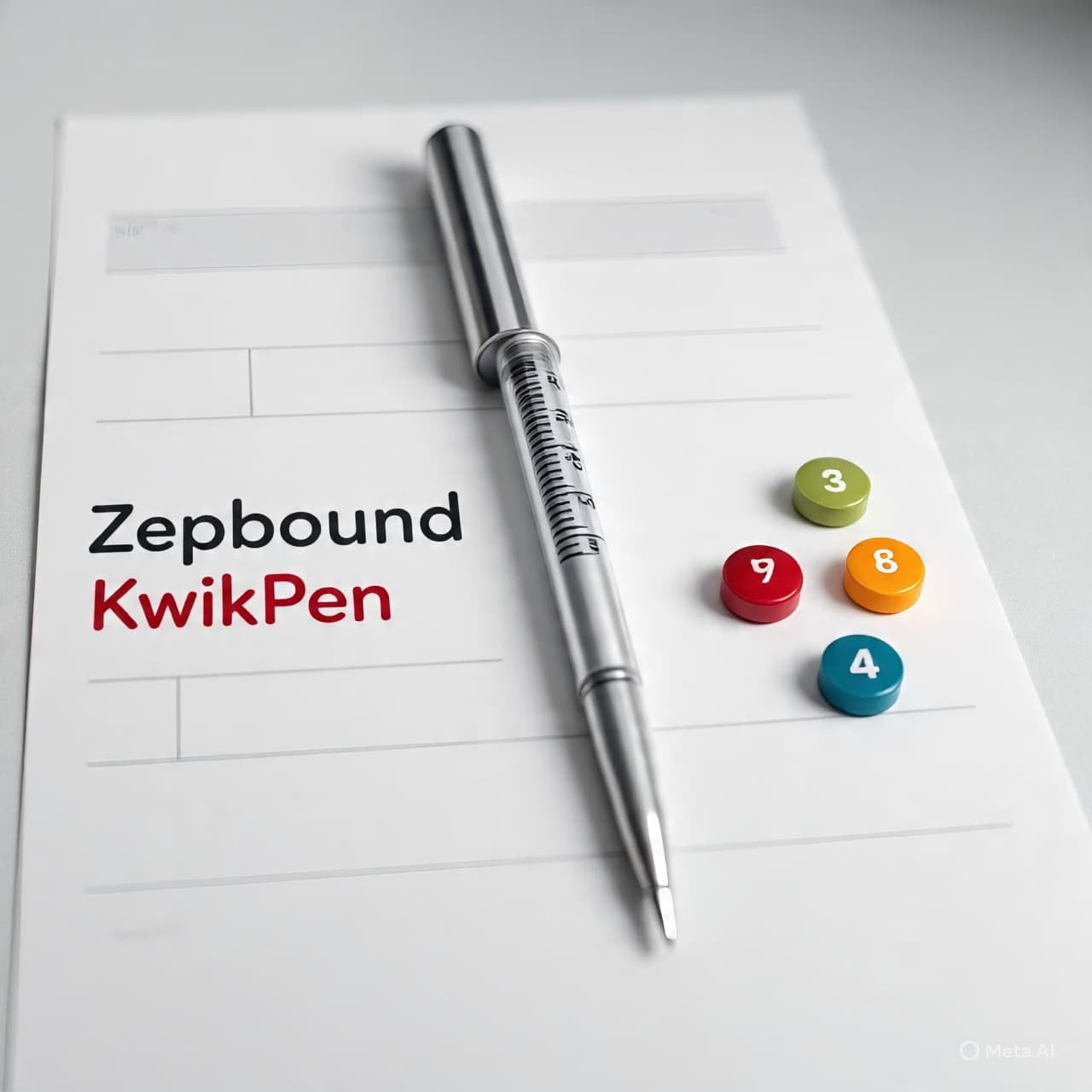
There is a quiet rhythm to progress in medical care — much like the steady beat of a heart or the slow turning of seasons — where sometimes the most meaningful changes arrive not as shocks but as gentle refinements that shape people’s lives in practical ways. In the field of obesity treatment, a new development from Eli Lilly this week feels much like that: purposeful, thoughtful, and poised to make the journey a little simpler for many.
The pharmaceutical company announced that it has begun rolling out a new multi-dose version of its blockbuster obesity drug, Zepbound, packaged in a single month’s supply pen known as a KwikPen. For patients and medical professionals alike, this marks a shift toward convenience — consolidating four once-weekly doses into one device designed to be easier to use and potentially improve treatment adherence.
Zepbound, whose active ingredient is tirzepatide, has emerged in recent years as one of the most widely prescribed injectable medications for weight management. Enthusiasm for the treatment grew as data from clinical trials and real-world use showed significant, sustained weight loss for many patients. Now, with the FDA’s approval of a four-dose KwikPen option, adults living with obesity can receive their full monthly treatment in a single pen — a departure from the prior weekly autoinjectors or vials that required patients to manage multiple separate doses.
For patients who juggle busy schedules, multiple prescriptions, and the practical realities of daily life, this simple change may bring unexpected relief. Instead of opening four separate weekly pens or drawing doses from vials, a single device could help streamline routines and reduce the burden associated with long-term treatment. The new pens are currently available to self-pay patients through Lilly’s direct-to-consumer platform, LillyDirect, with prices starting around $299 per month for the lowest dose — a structure designed to improve both access and predictability.
From a broader perspective, the introduction of the multi-dose pen also shapes the competitive dynamic of the obesity drug market. Rivals such as Novo Nordisk have long sold single-dose weekly pens for weight-loss treatment in the U.S., but Zepbound’s new format could offer an edge in terms of convenience and patient experience. Reports from financial markets noted a favorable reaction, with Lilly’s share prices reflecting confidence in the product’s continued leadership in its category.
Yet, as with all changes in medical practice, this one comes with its own considerations. The shift to a multi-dose device invites fresh attention to how patients handle, store, and administer their medication, especially in light of the specific needs of injectables that require refrigerated storage and careful dosing. Physicians and pharmacists will likely guide patients through this transition, balancing convenience with vigilance to maintain safety and effectiveness.
For millions of adults living with obesity, the journey toward sustainable weight management is deeply personal and often filled with small, cumulative steps. The arrival of the Zepbound KwikPen — with its once-a-month simplicity — serves as a reminder that sometimes, progress in treatment is not only measured in clinical outcomes but in the everyday ease of integrating care into life.
In closing this gentle update on pharmaceutical innovation: Eli Lilly has secured U.S. regulatory approval for the new multi-dose KwikPen for Zepbound, allowing patients to receive a full month’s supply of the obesity drug in one device; the pens are now available for purchase through LillyDirect with prices starting at about $299 for the 2.5 mg dose.
🖼️ AI Image Disclaimer “Visuals are created with AI tools and are not real photographs.”
📌 Sources Reuters; Pharmaceutical Technology; iHeartRadio; Investing.com; Fierce Pharma.
Published by Banx Network. This article is part of the Banx decentralized media programme, powered by the BXE token on the XRP Ledger.