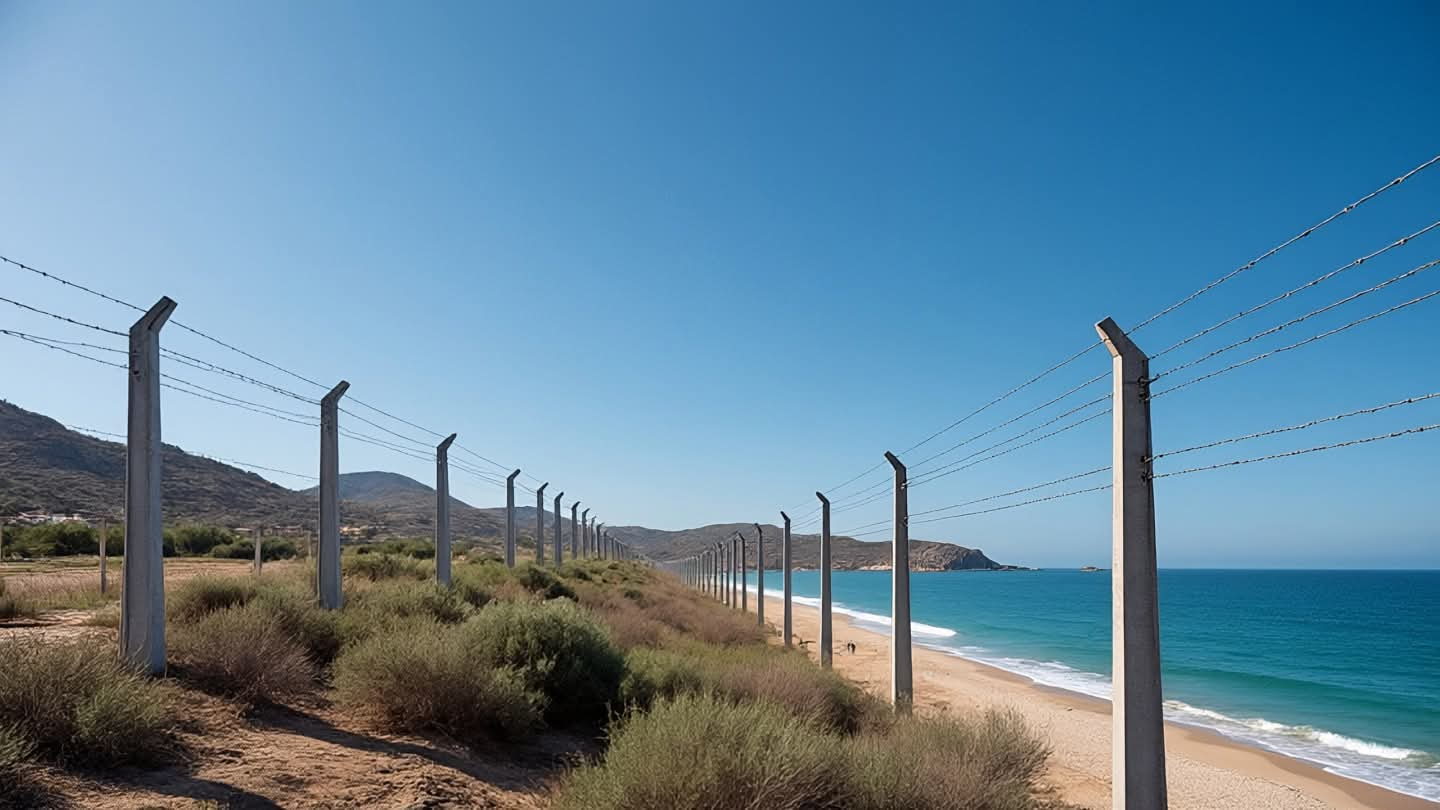
Borders are lines on a map, but for those who cross them, they are thresholds of hope and uncertainty. In Ceuta, a Spanish enclave on the North African coast, the arrival of migrants has become a recurring challenge that tests the limits of local resources and European solidarity. Spain has recently called on the European Union for assistance in processing these arrivals, highlighting the need for a shared responsibility in managing migration flows. This request underscores the complex interplay between national sovereignty and collective European values.
Ceuta’s geographic position makes it a primary entry point for migrants attempting to reach Europe from Africa. The sheer volume of arrivals often overwhelms local reception centers, leading to humanitarian concerns and logistical bottlenecks. Spanish authorities argue that this is not just a national issue but a European one, requiring coordinated support and resources from member states.
The request for EU help includes funding for infrastructure, personnel for processing asylum claims, and relocation mechanisms for those granted refuge. Spain emphasizes that without such support, the burden falls disproportionately on border regions, straining local communities and services. This appeal is part of a broader dialogue on reforming the EU’s migration and asylum policies.
European responses have been mixed. Some member states express solidarity and willingness to assist, recognizing the shared nature of the challenge. Others remain hesitant, citing domestic political pressures and concerns about setting precedents for future migration management. This divergence reflects the ongoing difficulty in achieving a unified European approach to migration.
Human rights organizations monitor the situation closely, ensuring that migrants are treated with dignity and respect. They advocate for efficient processing to prevent prolonged detention and uncertainty. For many migrants, the wait in Ceuta is a period of limbo, where their futures hang in the balance pending legal decisions.
The political implications for Spain are significant. Managing migration effectively is crucial for maintaining public support and social cohesion. By seeking EU assistance, the government aims to demonstrate proactive leadership while sharing the responsibility. It is a strategic move that aligns national interests with European cooperation.
Long-term solutions involve addressing the root causes of migration, such as poverty and conflict in countries of origin. Development aid and diplomatic engagement are seen as complementary strategies to border management. However, immediate humanitarian needs require prompt and effective action.
EU officials are reviewing Spain’s request, with discussions ongoing regarding the scope and nature of the support. Meanwhile, operations in Ceuta continue, with local authorities working to ensure orderly and humane processing of arrivals.
AI Image Disclaimer: Please be aware that any images accompanying this article are AI-generated illustrations designed to evoke the themes of migration, border management, and international cooperation.
Sources: Reuters Associated Press BBC News El País European Commission Statements
Published by Banx Network. This article is part of the Banx decentralized media programme, powered by the BXE token on the XRP Ledger.