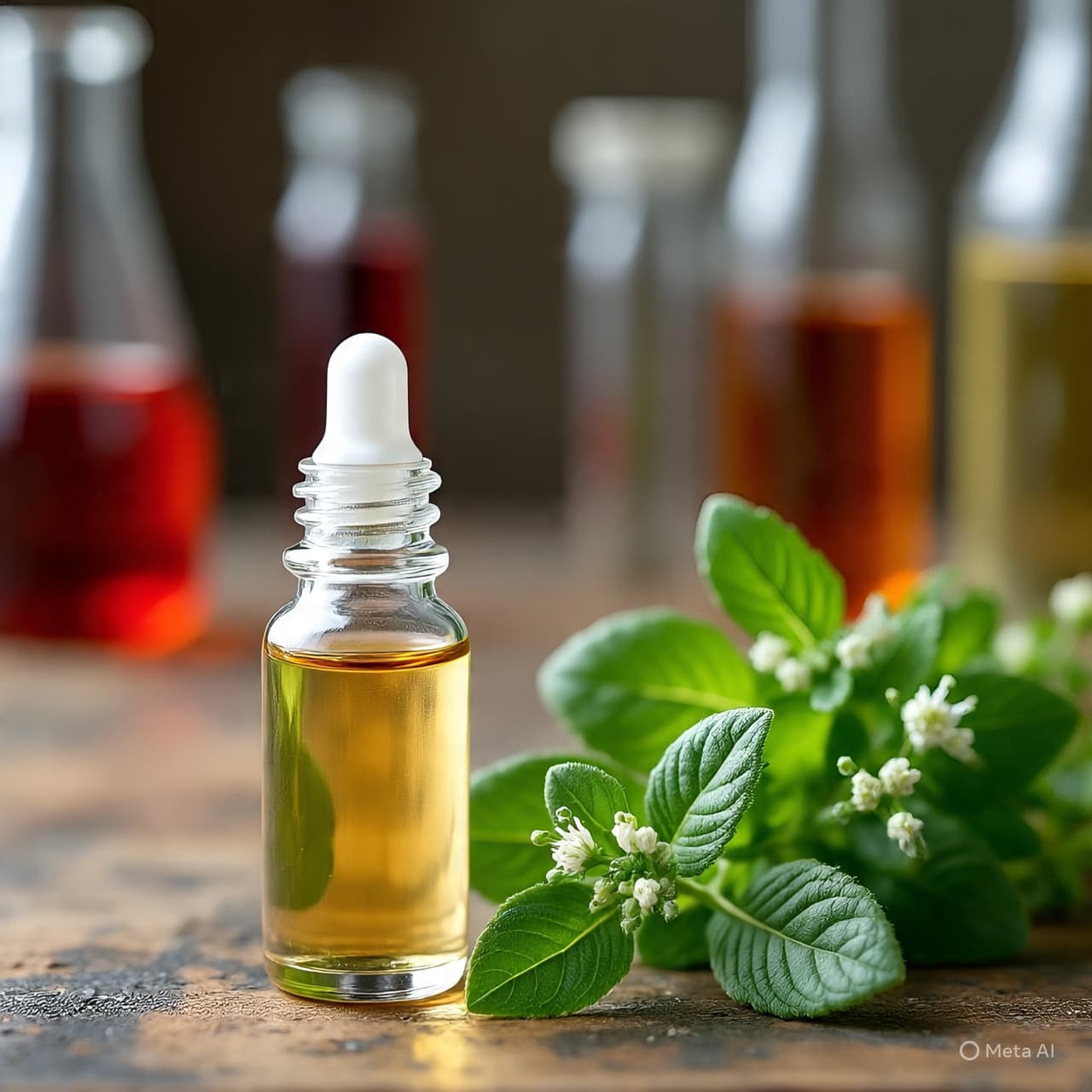
Stories sometimes travel faster than facts. A recent viral claim suggested that a U.S. high school student demonstrated oregano oil’s power against bacteria, even outperforming amoxicillin. The tale spread widely, stirring excitement about nature’s hidden cures. Yet behind the headlines, the evidence remains uncertain.
What we do know: oregano oil has been studied in laboratories for its antimicrobial properties. Compounds such as carvacrol and thymol are known to damage bacterial cell walls and disrupt genetic material, making survival difficult in controlled conditions. Some academic research even indicates that oregano oil could boost the effects of conventional antibiotics, offering a glimmer of hope in the fight against drug-resistant infections.
But the widely shared story of a student wiping out “100% of bacteria with one drop” has not appeared in established news outlets or peer-reviewed journals. At present, it appears largely within social media circles and wellness forums, with no confirmation from recognised scientific authorities.
Experts stress that while oregano oil’s potential is real, its promise lies in careful research, not viral anecdotes. Laboratory findings must pass the rigours of clinical trials before any natural compound can be considered a replacement for existing antibiotics.
As antibiotic resistance looms as one of medicine’s greatest challenges, stories like this reflect both the hunger for solutions and the need for discernment. Nature may indeed hold keys to the future, but the locks they fit remain to be proven.
Sources
MDPI, VOI (for local coverage of similar science stories)
Published by Banx Network. This article is part of the Banx decentralized media programme, powered by the BXE token on the XRP Ledger.