DECENTRALIZED MEDIA IS LIVE POWERED BY
Banx Media Platform logo
BUSINESS

When One Door Closes, Many Open: China’s Trade Finds New Paths

China’s exports to the U.S. fell in September, but overall global shipments hit a six-month high as trade diversifies beyond the American market.

F

Febri Kurniawan

EXPERIENCED
1 min read
21 Views
Credibility Score: 100/100
When One Door Closes, Many Open: China’s Trade Finds New Paths

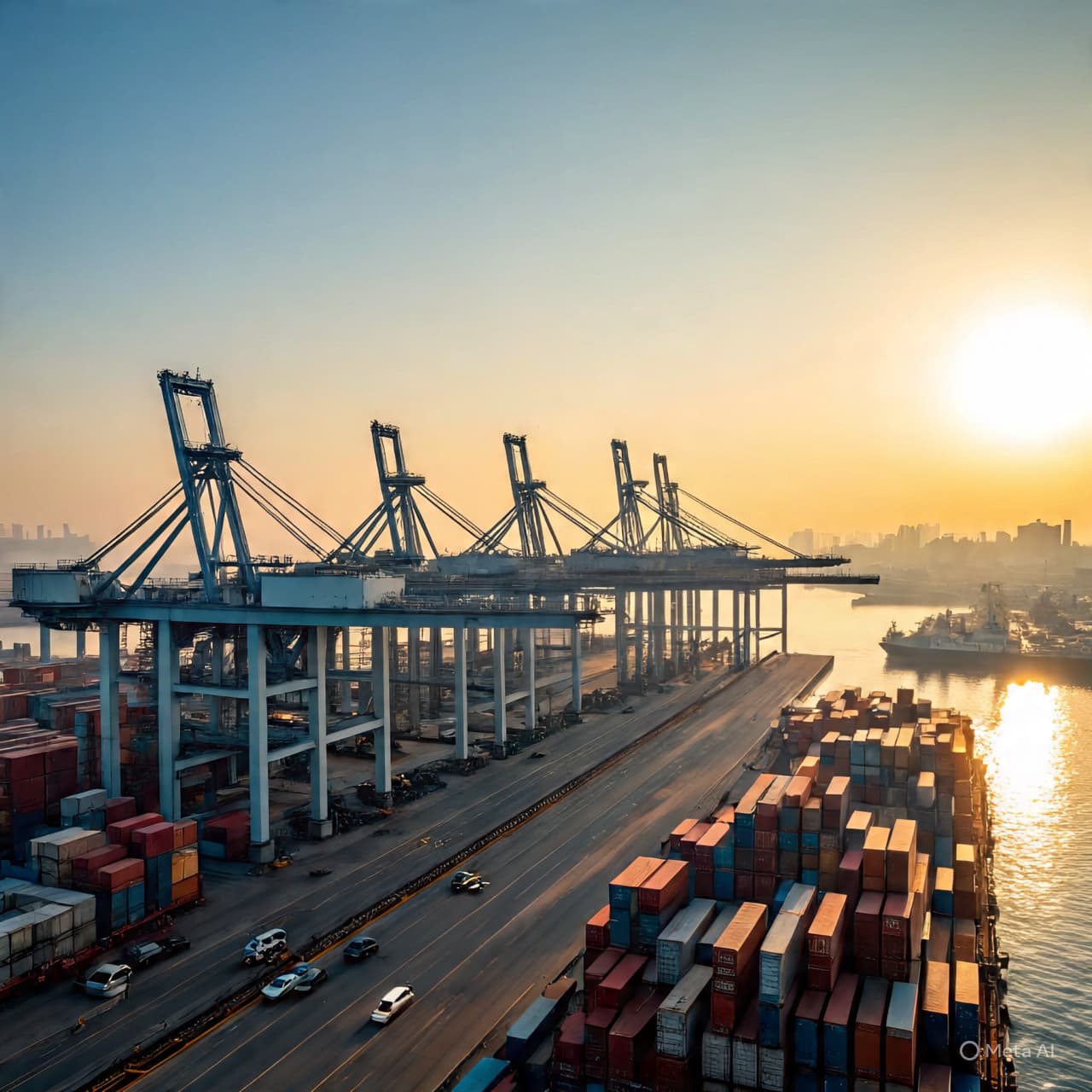
The hum of China’s ports tells a story of adaptation. Cranes move with familiar rhythm, yet their cargo now sails to new horizons. In September, China’s exports to the United States declined again—a reflection of cooling trade ties and shifting geopolitics—but global shipments reached their highest growth in six months. The message beneath the figures is clear: China’s trade engine is recalibrating, not retreating.

According to the latest data from China’s customs authority, exports to the U.S. fell by several percentage points compared to a year earlier, weighed down by tariffs, supply-chain diversification, and soft consumer demand. Yet overall exports grew more than expected, driven by strong demand in Southeast Asia, Latin America, and parts of Europe. The contrast reveals a quiet economic rebalancing—away from dependence on one market, toward a wider constellation of trade partners.

Economists note that China’s exporters are finding resilience in adaptation. As Western demand cools, firms are pivoting toward emerging markets and green technologies, from electric vehicles to solar panels. The shift reflects a strategic diversification of trade routes, echoing Beijing’s “dual circulation” strategy: relying on both domestic demand and broader global integration.

For Washington, the decline in Chinese imports mirrors a larger trend—efforts to reduce reliance on Chinese manufacturing. Yet for Beijing, the numbers suggest something more nuanced: flexibility amid friction. China’s export machine, long tied to American consumption, is learning to breathe differently in a world of fragmenting globalization.

Customs data show total exports rose at the fastest pace since March, signaling renewed strength in manufacturing and external demand. While trade with the U.S. cools, China’s outward momentum—measured in ships, containers, and currencies—continues to find the wind.

Visuals are created with AI tools and are not real photographs.

Sources China General Administration of Customs

Reuters

Bloomberg

CNBC

The Guardian

Published by Banx Network. This article is part of the Banx decentralized media programme, powered by the BXE token on the XRP Ledger.


#bxe#Trade#ship#Container
Decentralized Media

Powered by the XRP Ledger & BXE Token

This article is part of the XRP Ledger decentralized media ecosystem. Become an author, publish original content, and earn rewards through the BXE token.

Newsletter

Stay ahead of the news — and win free BXE every week

Subscribe for the latest news headlines and get automatically entered into our weekly BXE token giveaway.

No spam. Unsubscribe anytime.

Share this story

Help others stay informed about crypto news

Related articles

Keep exploring the latest stories.

View more
Beneath Jakarta’s Financial Skyline, Indonesia’s Banking System Maintains Its Balance While Global Uncertainty Tests Economic Confidence

Beneath Jakarta’s Financial Skyline, Indonesia’s Banking System Maintains Its Balance While Global Uncertainty Tests Economic Confidence

Indonesia’s Financial Services Authority said the country’s financial sector remained stable in September 2026 despite global uncertainty, tighter monetary con…

Beyond the Oil Fields: Shipping Routes and Refinery Bottlenecks Shape the Cost of Energy Across an Uncertain Global Market

Beyond the Oil Fields: Shipping Routes and Refinery Bottlenecks Shape the Cost of Energy Across an Uncertain Global Market

Oil exports through the Strait of Hormuz had recovered to roughly 80% of pre-conflict levels, but shipping, insurance and refining disruptions continued to sup…

 3\. As German Factories and Service Firms Regain Momentum, Higher Input Costs Remind Companies That Recovery Remains Uneven

3\. As German Factories and Service Firms Regain Momentum, Higher Input Costs Remind Companies That Recovery Remains Uneven

Germany’s composite PMI climbed to 53.8 in September, its highest level since October 2025, while businesses reported faster increases in input costs.