There are moments in public health when numbers feel less like statistics and more like echoes. They reverberate quietly at first, then more insistently, asking to be noticed. In the early months of 2026, the United States has found itself listening closely again, as measles cases approach a number that not long ago would have seemed improbable.
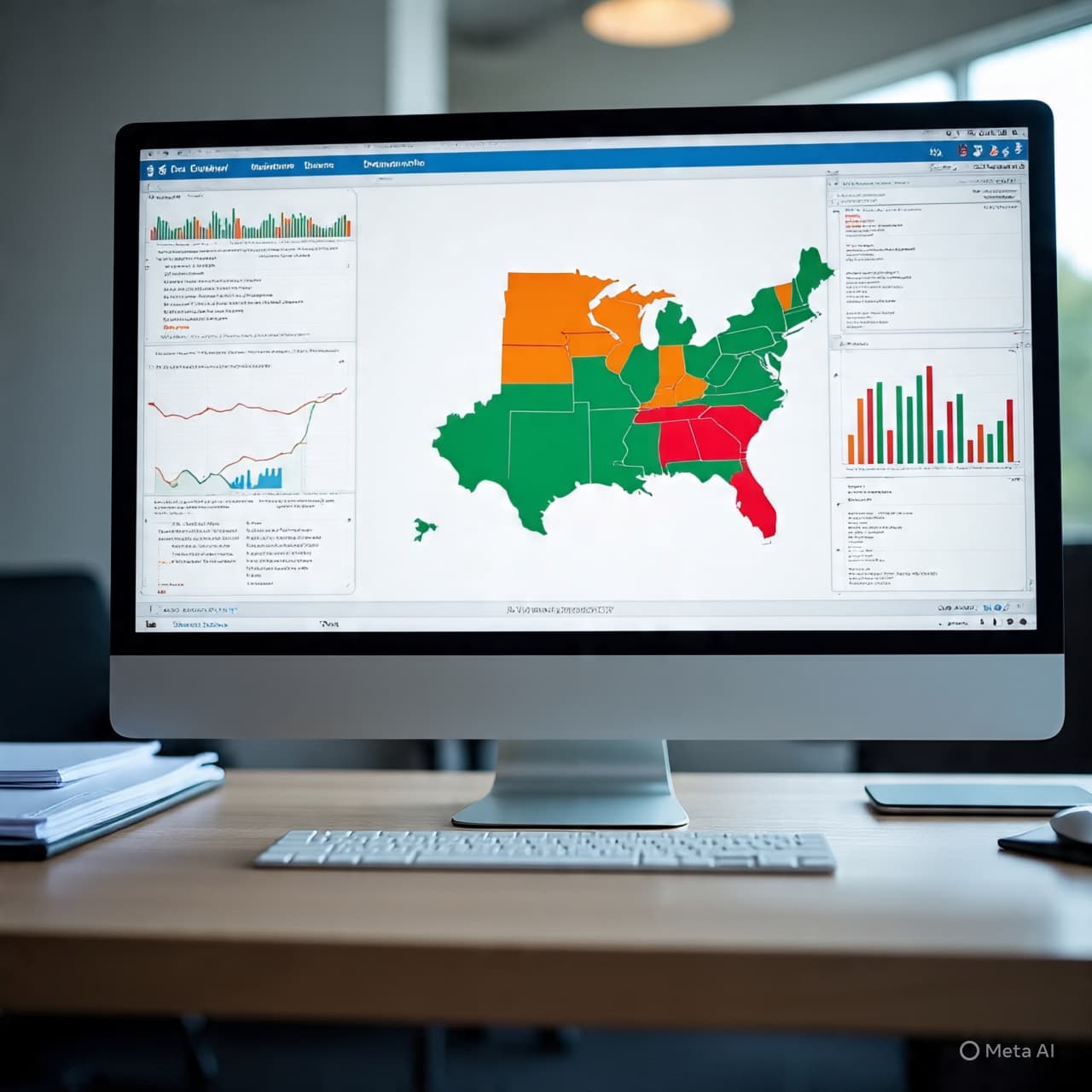
According to national reporting, the is nearing 1,000 confirmed measles cases within just the first two months of the year. For a disease declared eliminated in the country in 2000, such figures mark a sobering resurgence. Measles, once thought to be a chapter largely closed, has returned to the margins of daily headlines.
Public health officials note that outbreaks have been concentrated in communities with lower vaccination coverage. The measles virus, known for its high transmissibility, requires vaccination rates of around 95 percent to maintain herd immunity. When that threshold dips, even slightly, the virus can find new footholds. Travel—both domestic and international—has also played a role in reintroducing cases across state lines.
The Centers for Disease Control and Prevention, or , has emphasized that the measles, mumps, and rubella (MMR) vaccine remains highly effective. Two doses provide strong protection, and widespread immunization has historically kept outbreaks limited. Yet gaps in vaccine uptake, influenced by access challenges and misinformation, have left certain areas more vulnerable.
Health departments across several states have responded with expanded vaccination clinics, school-based outreach, and public awareness campaigns. In some regions, temporary quarantine measures have been implemented for exposed individuals who are unvaccinated. The tone from officials has been measured but clear: prevention remains possible, but action must be timely.
Measles is not a mild illness. It often begins with fever, cough, and rash, but can lead to complications such as pneumonia, brain swelling, and, in rare cases, death. Infants too young to be vaccinated and immunocompromised individuals face the highest risks. In this way, rising case counts are not only a matter of individual health, but of community protection.
The resurgence also carries economic and institutional consequences. Schools may face temporary closures. Healthcare systems must allocate resources to contact tracing and outbreak containment. Public trust, already strained in recent years, is tested anew as officials work to balance urgency with reassurance.
And yet, amid the concern, there remains a steady refrain from health experts: measles is preventable. The tools are neither experimental nor new. They have been available for decades, quietly effective when widely used. The current moment, then, is less about scientific uncertainty and more about collective follow-through.
Federal and state agencies continue to monitor the situation closely, with updated case counts expected in the coming weeks. Officials are urging families to review vaccination records and consult healthcare providers if unsure of their status.
In the language of public health, 1,000 cases is both a number and a signal. It signals vulnerability, but also opportunity—the chance to reinforce protections that have long stood between communities and a once-common disease.
AI Image Disclaimer: Images in this article are AI-generated illustrations, meant for concept only.
Sources (Media Names Only): Associated Press Reuters The New York Times CNN NBC News
Published by Banx Network. This article is part of the Banx decentralized media programme, powered by the BXE token on the XRP Ledger.