Some companies grow old in familiar shapes. A factory remains attached to a business it has operated for decades, a division continues because it always has, and corporate structures accumulate layers as time passes. Japan is now considering whether a change in those structures could release new economic energy.
The government is considering tax breaks on gains from sales of non-core businesses, according to people familiar with the matter cited by Reuters. The proposal could encourage companies to dispose of businesses outside their main areas of activity and accelerate corporate restructuring.
The idea touches on a long-running feature of Japan's corporate landscape. Large companies often contain multiple businesses, some of which may no longer fit closely with their central strategy. Selling those operations can allow management and capital to move toward areas where companies see stronger opportunities.
For buyers, meanwhile, businesses that are no longer considered central to one company can become valuable additions to another. A restructuring transaction can therefore move assets, employees, technology and expertise toward companies that are better positioned to develop them.
Tax treatment can influence whether such transactions happen. Selling a business may generate a taxable gain, creating a financial consideration that can make corporate leaders hesitate. A more favorable tax environment could make certain transactions easier to justify.
Japan's broader corporate environment has been moving gradually toward greater attention to capital efficiency. Investors have increasingly looked at how companies use their assets, whether businesses generate sufficient returns and whether corporate structures allow resources to move toward more productive activities.
The proposed measure comes against that background. Rather than focusing only on new investment, policymakers are considering how existing businesses and assets can be reorganized. Economic growth can sometimes come from building something new, but it can also emerge when resources already in place are used differently.
The change could also influence industry consolidation. When companies sell non-core divisions, those businesses may eventually become part of larger operations or specialized companies. Over time, that process can create firms with narrower identities and greater scale in particular industries.
There are, naturally, practical questions around any restructuring. Employees may experience changes in ownership or management, while companies must determine whether a business is genuinely better positioned elsewhere. For investors, the value of a transaction depends on whether the resulting companies become more focused and productive.
Japan's manufacturing sector is already showing strength in areas linked to semiconductors and artificial intelligence. Its August manufacturing PMI reached 55.1, the strongest expansion in new orders since January 2018.
Against that industrial backdrop, the proposed tax incentives offer another way to encourage movement within Japan's corporate economy. If implemented, the policy could make it easier for companies to sell non-core operations and redirect capital toward businesses considered more central to their future.
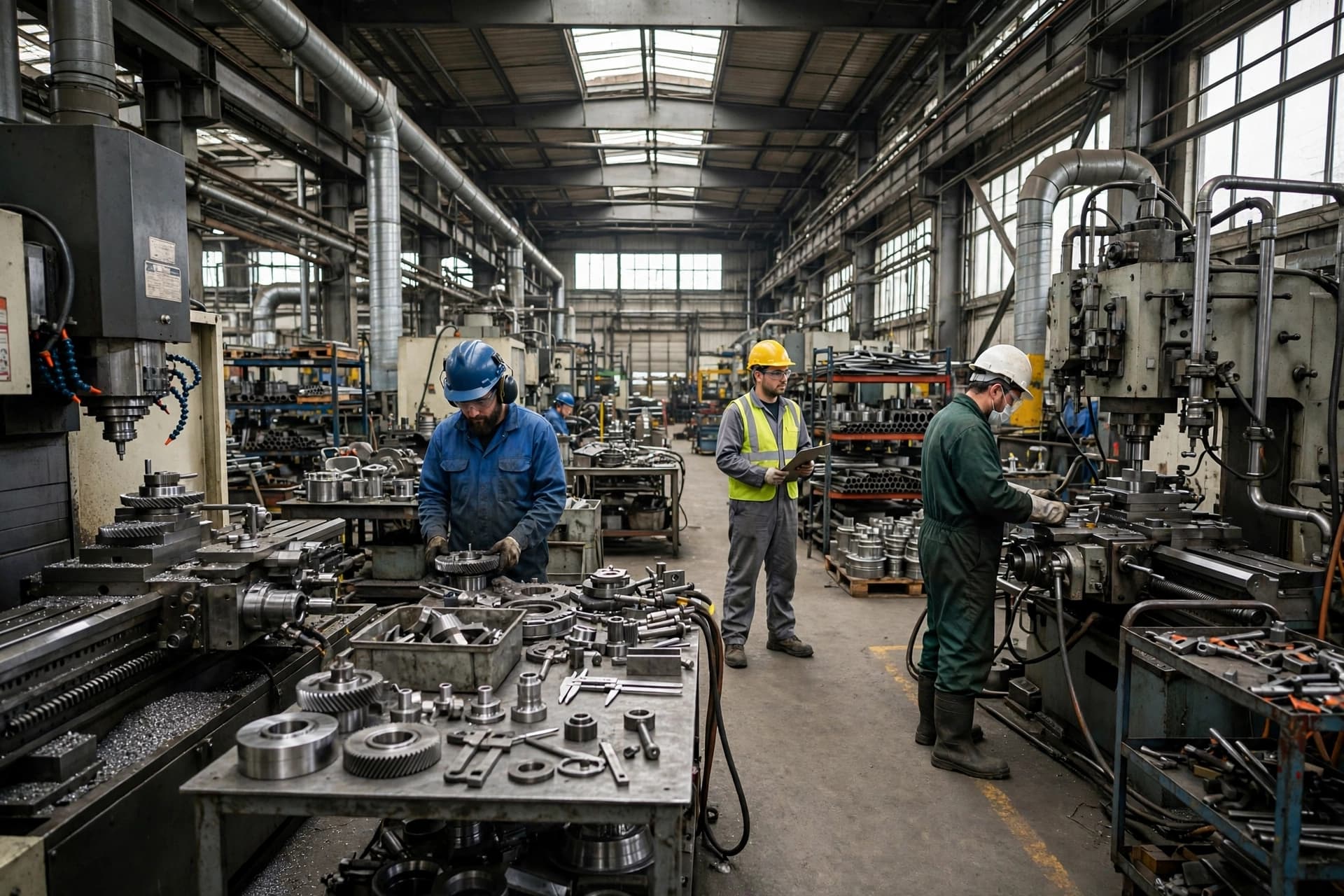
AI Image Disclaimer These illustrations were produced with AI as visual interpretations of corporate restructuring and are not photographs of actual Japanese companies or transactions.
Sources Reuters Ministry of Economy, Trade and Industry Japan Nikkei Asia The Japan Times S&P Global
Published by Banx Network. This article is part of the Banx decentralized media programme, powered by the BXE token on the XRP Ledger.