The Pacific Ocean, a vast expanse of blue that dwarfs all the landmasses on Earth combined, is quietly undergoing a transformation. Geologists predict that this mighty body of water is shrinking, a slow but relentless process driven by the movements of tectonic plates. In hundreds of millions of years, this contraction may lead to the closure of the Pacific and the formation of a new supercontinent called Amasia. This geological prophecy invites us to look beyond human timescales and consider the dynamic, ever-changing nature of our planet.
The Pacific Ocean is currently shrinking at a rate of about 2.5 centimeters per year due to subduction zones, where oceanic plates slide beneath continental ones. This process, known as plate tectonics, has shaped the Earth’s surface for billions of years. As the Pacific basin closes, the continents surrounding it—Asia, North America, and others—are gradually moving closer together. Models suggest that this convergence will eventually result in a single landmass, uniting regions that are now separated by thousands of miles of ocean.
The concept of Amasia is one of several hypotheses about Earth’s next supercontinent. Unlike Pangea, which formed by the collision of continents from different directions, Amasia is predicted to form through the closure of the Pacific. This "introverted" assembly path is supported by computer simulations that account for the strength of the oceanic lithosphere and the history of plate movements. The resulting supercontinent would be centered around the North Pole, drastically altering global climate and ocean circulation.
The timeline for this event is immense, estimated to occur in 200 to 300 million years. While this is far beyond human relevance, studying these processes helps scientists understand the long-term evolution of the Earth. It provides context for current geological activity, such as earthquakes and volcanic eruptions, which are manifestations of the same forces that will one day reshape the map of the world.
The formation of a supercontinent has profound implications for life on Earth. Historical precedents, such as Pangea, show that such events can lead to mass extinctions and significant changes in biodiversity. The consolidation of landmasses affects weather patterns, sea levels, and habitat availability. Understanding these cycles is crucial for comprehending the resilience and adaptability of life over geological time.
For modern society, the shrinking Pacific serves as a reminder of the planet’s dynamism. While we do not need to worry about Amasia in our lifetimes, the ongoing tectonic activity poses immediate risks in the form of seismic hazards. Monitoring plate movements and improving disaster preparedness are essential for protecting communities in vulnerable regions.
Scientific research in this field relies on advanced modeling and data from satellite geodesy. By tracking the precise movements of continents, researchers can refine their predictions and gain insights into the mechanisms driving plate tectonics. This knowledge contributes to a broader understanding of Earth’s internal structure and thermal history.
The slow shrinkage of the Pacific Ocean is a testament to the enduring power of geological forces. While the formation of Amasia lies in the distant future, the processes that will create it are active today. In studying this grand cycle, we gain a deeper appreciation for the Earth’s complexity and the transient nature of its features.
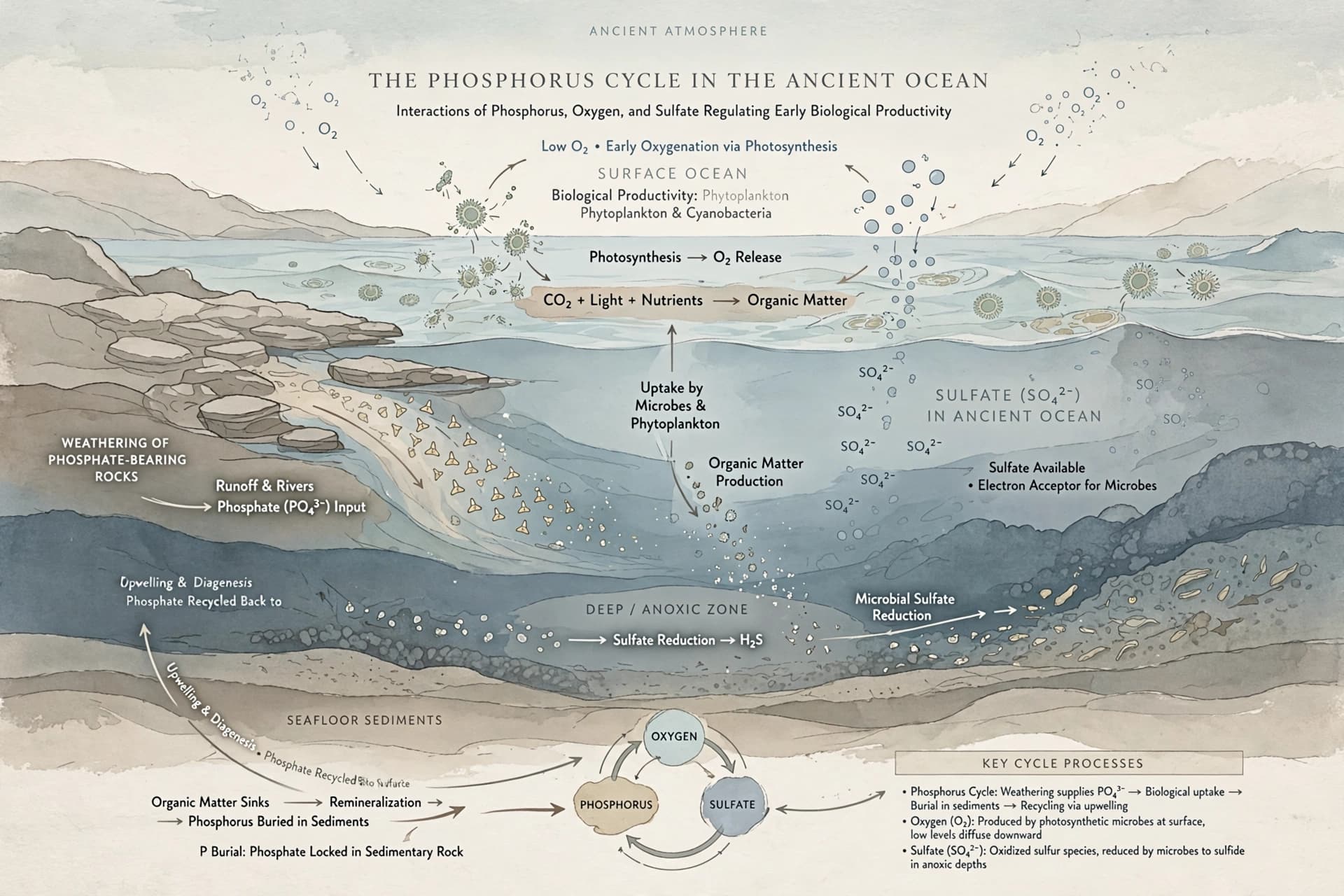
AI Image Disclaimer: The images associated with this article are AI-generated illustrations designed to represent the themes of geological evolution and planetary science.
Sources: NDTV, CNN, Phys.org, National Science Review
Published by Banx Network. This article is part of the Banx decentralized media programme, powered by the BXE token on the XRP Ledger.