Climate patterns often move like distant currents, subtle in their beginnings yet far-reaching in their effects. A new study points to one such pattern—referred to as the “Indian Niño”—as a contributing factor behind the record-breaking heat observed across parts of the world in recent years.
Researchers have identified the “Indian Niño,” a warming pattern in the Indian Ocean, as a significant influence on global temperatures in 2023 and 2024. The phenomenon appears to have amplified heat conditions beyond what might have been expected from other climate drivers alone.
Unlike the more widely known El Niño in the Pacific Ocean, the Indian Niño involves temperature anomalies in the Indian Ocean basin. These changes can alter atmospheric circulation, affecting weather patterns across multiple regions.
The study highlights how ocean temperatures play a central role in shaping global climate systems. Warmer waters can intensify heatwaves, shift rainfall patterns, and influence seasonal weather cycles.
Scientists used a combination of observational data and climate modeling to assess the impact of the Indian Niño. Their findings suggest that this pattern contributed to elevated temperatures alongside broader trends linked to long-term climate change.
The results underscore the complexity of Earth’s climate system, where multiple factors interact simultaneously. Understanding these interactions is essential for improving climate predictions and preparing for future conditions.
While the study provides new insights, researchers emphasize that no single factor fully explains recent temperature records. Instead, a combination of natural variability and long-term warming trends shapes the overall picture.
The identification of the Indian Niño adds another layer to the scientific understanding of global heat patterns, highlighting the importance of continued observation and research.
As climate studies advance, findings like these help refine how scientists interpret temperature trends, offering a clearer view of the forces influencing a warming world.
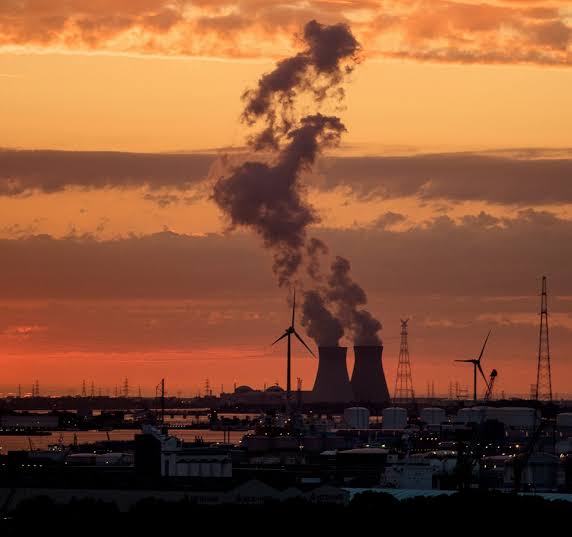
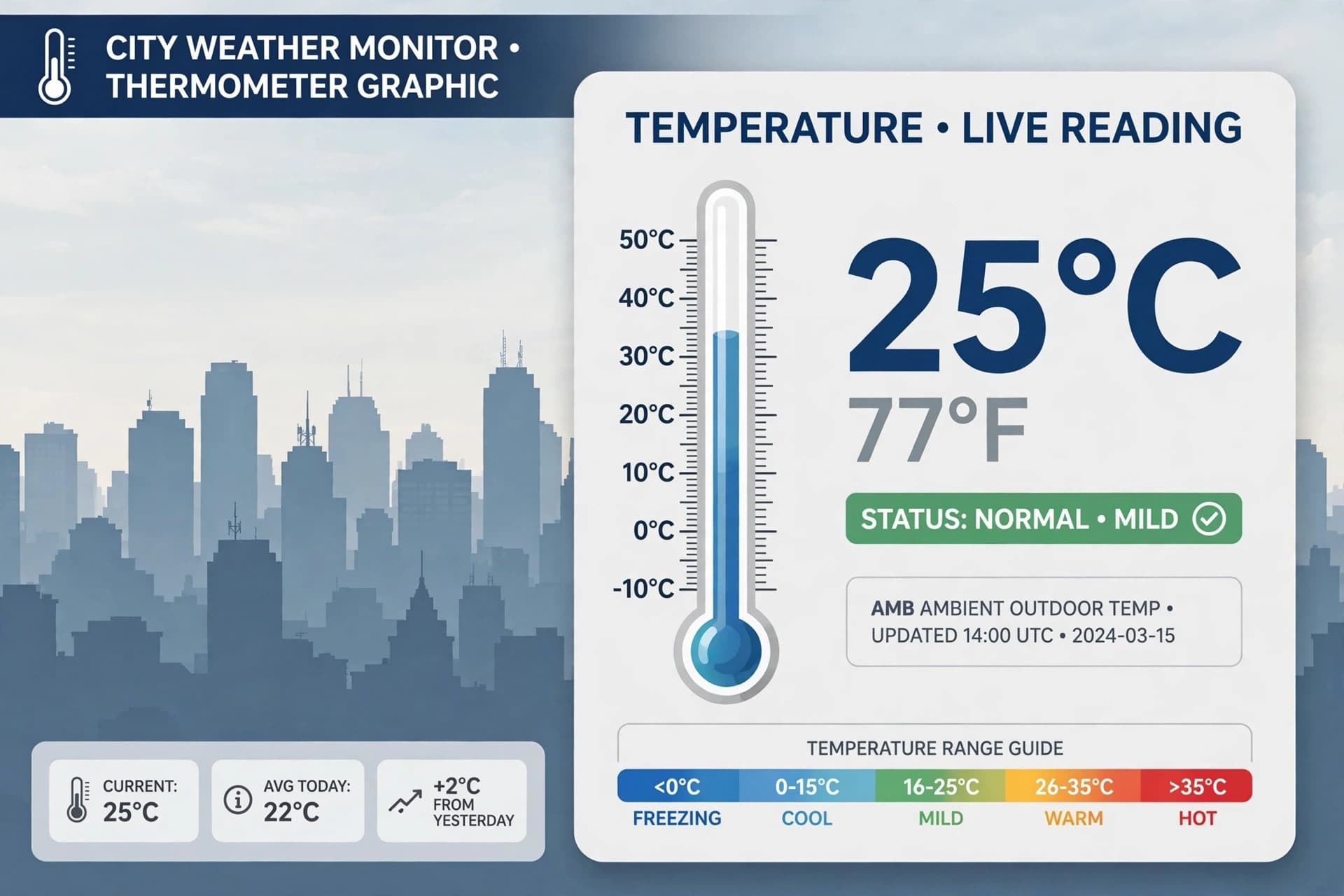
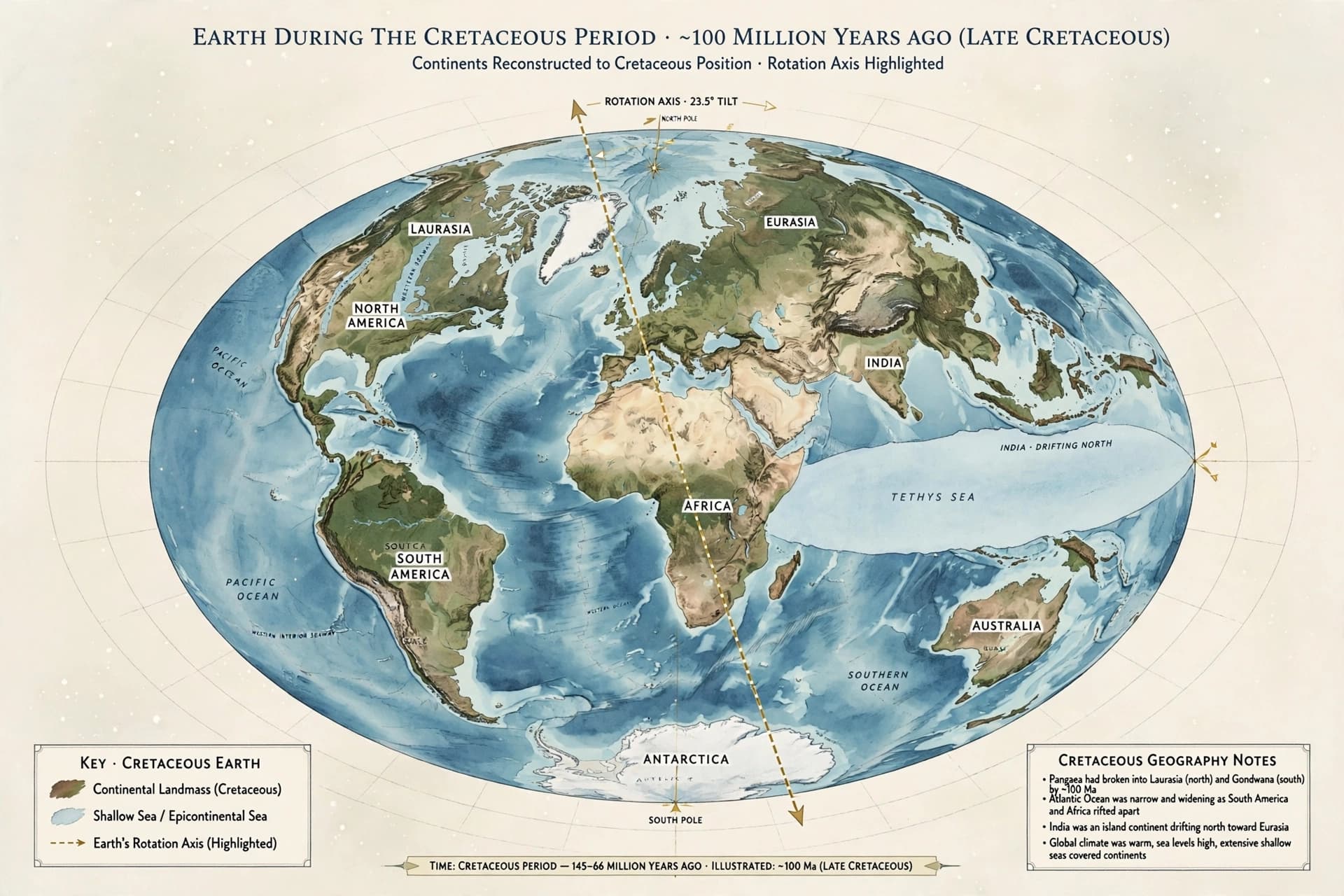
AI Image Disclaimer: Images used here are AI-generated visuals designed to represent climate patterns conceptually.
Sources: Nature Climate Change, Reuters, BBC, World Meteorological Organization
Published by Banx Network. This article is part of the Banx decentralized media programme, powered by the BXE token on the XRP Ledger.