There is a gentle rhythm to technological evolution, much like the cadence of seasons yielding new blossoms each year. For those who follow the arc of innovation, a flagship smartphone launch is more than a product announcement — it’s a milestone in the ongoing dialogue between human needs and human ingenuity. This year, that dialogue comes with a subtle tension, for as Samsung unveils its Galaxy S26 lineup, the industry around it is also navigating the shifting currents of memory chip supply and cost.
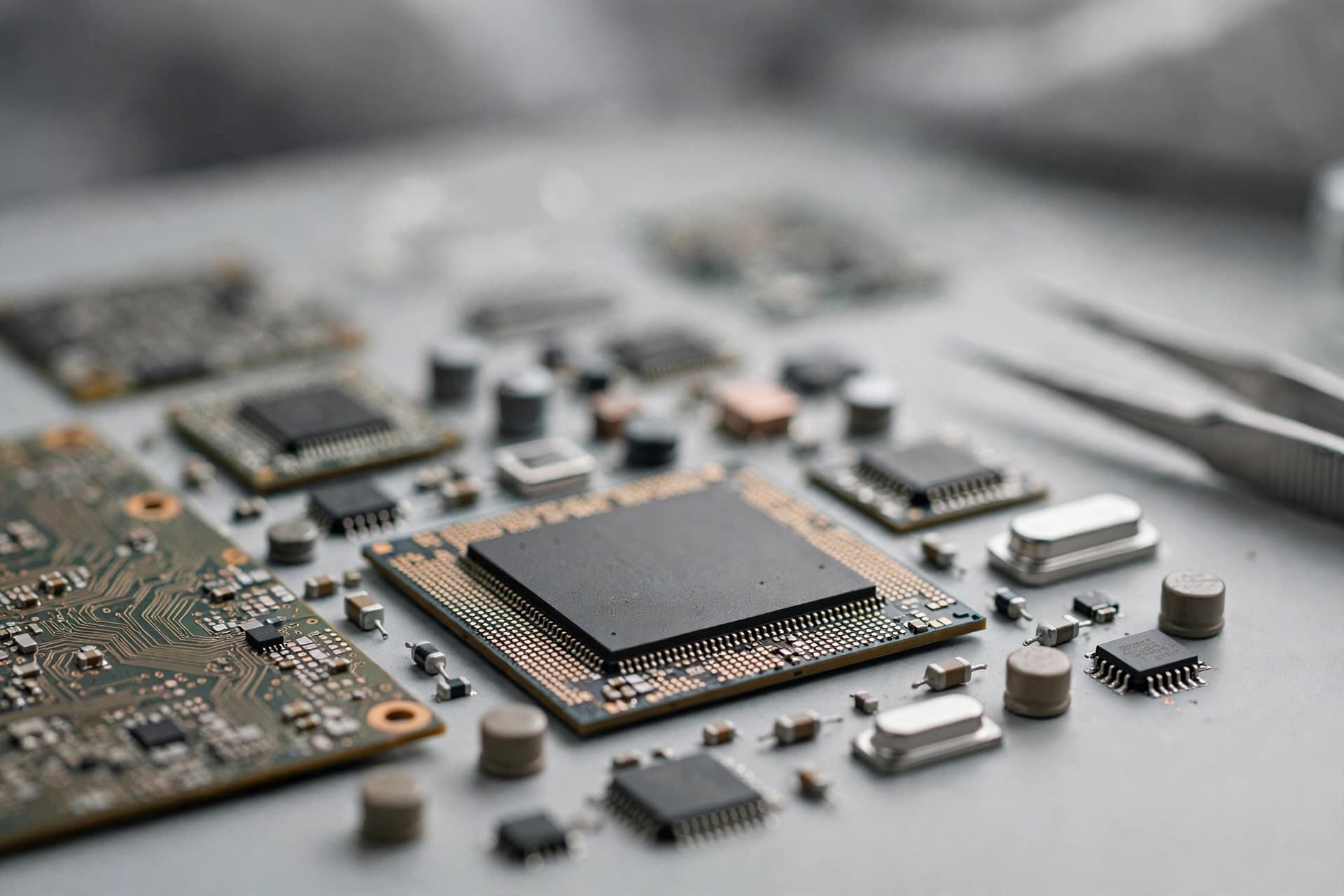
In the world of consumer electronics, the components within a device are as essential to its story as words are to a poem. Among them, memory chips — the tiny fragments of silicon that allow data to be stored and retrieved — have become both prized and precarious. Demand from sectors such as artificial intelligence and data center infrastructure has tightened supply and driven prices upwards. These industry dynamics form a backdrop to Samsung’s latest flagship launch and the decisions that accompany it.
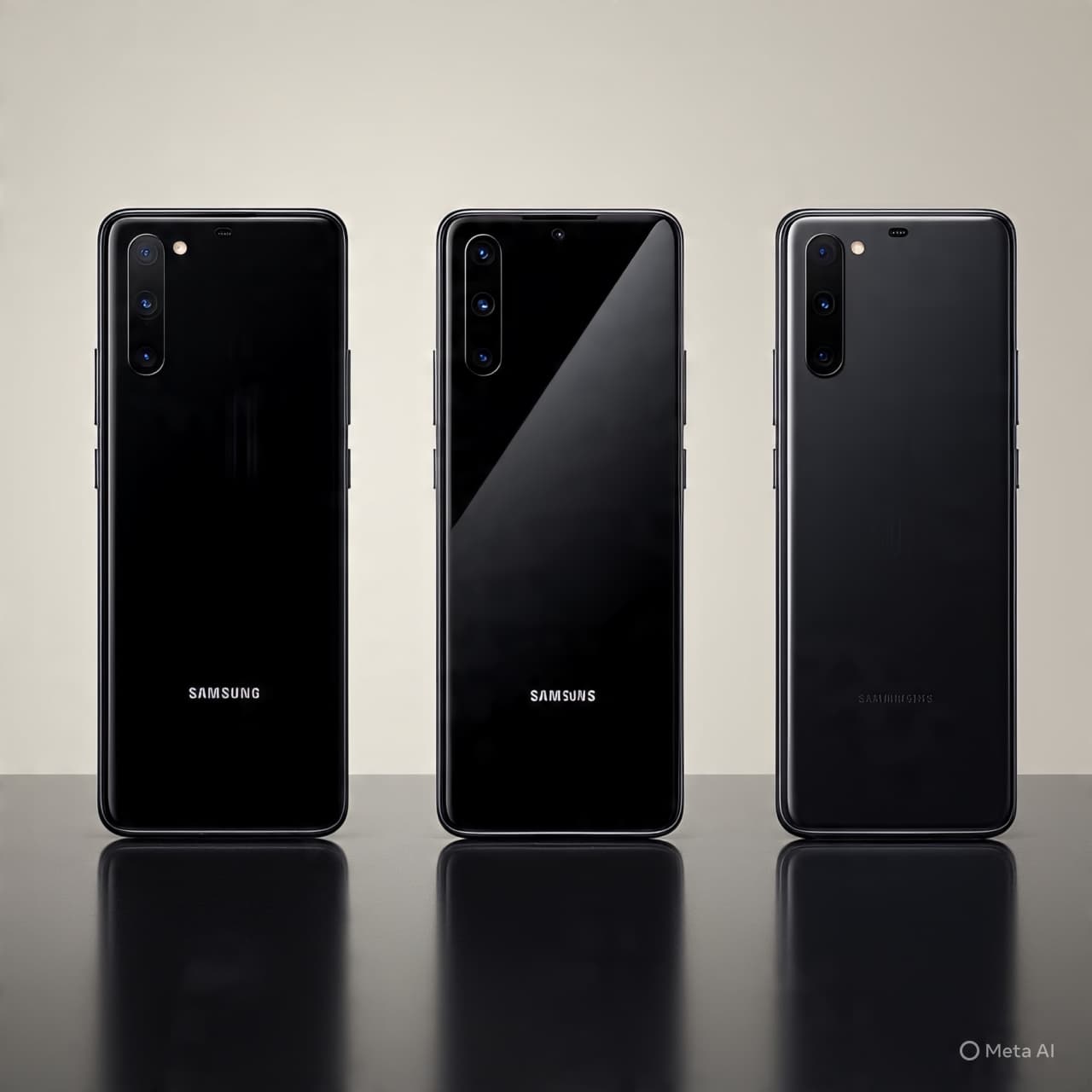
Samsung formally introduced the Galaxy S26 series this week, with global availability slated for March 11. The lineup includes the standard S26, the S26 Plus, and the S26 Ultra, each incorporating advanced artificial intelligence, enhanced privacy features, and refined performance. Notably, prices for the standard and Plus models have risen modestly — a reflection of broader memory component cost pressures rather than changes in core offerings alone.
For years, Samsung’s Galaxy flagship phones carried a mix of in‑house and third‑party processors. With the S26 lineup, some models reintroduce Samsung’s own Exynos 2600 alongside Qualcomm chips in others, marking a nuanced return to blending internal capabilities with strategic partnerships. This echoes long‑standing efforts to balance innovation and supply chain resilience.
Memory chips, particularly LPDDR5X DRAM used in these devices, have been a focal point for industry watchers. With demand from hyperscale AI deployments consuming an increasing share of global memory capacity, smartphone makers are adapting. One notable shift involves Samsung sourcing DRAM from both its own semiconductor division and external partners like Micron — a dual‑supplier approach intended to help ensure supply continuity amid market strain.
The effects of memory market tightness extend beyond sourcing strategies. Contract DRAM pricing has surged sharply in recent months, leading analysts to forecast significant year‑on‑year increases in costs across the first quarter. For consumers, this translates into pricing decisions that manufacturers must balance carefully between competitiveness and profitability.
What emerges is a picture of an industry in transition, where flagship device launches intersect with wider macroeconomic and supply factors. For Samsung, the S26 represents both a celebration of mobile technology and a moment that highlights the interconnectedness of global semiconductors — the unseen materials upon which modern life increasingly depends.
In this light, the Galaxy S26 launch is not just a showcase of sleek hardware and software features, but also a quiet testament to the delicate equilibrium that underpins today’s tech landscape: innovation advancing even as its own foundations are negotiated in boardrooms and supply lines around the world.
AI Image Disclaimer Graphics are AI‑generated and intended for representation, not reality.
SOURCE CHECK Credible mainstream and tech news sources covering this topic include:
Reuters AP News Bloomberg Wired The Tech Buzz
Published by Banx Network. This article is part of the Banx decentralized media programme, powered by the BXE token on the XRP Ledger.