
DECENTRALIZED MEDIA IS LIVE POWERED BY
Banx Media Platform logo
HEALTHFitness

When Movement Quietly Supports the Brain’s Inner Balance

New research shows movement may activate a brain cleaning system, supporting neurological health.

T

Tiffany Jasmine

INTERMEDIATE
1 min read
9 Views
When Movement Quietly Supports the Brain’s Inner Balance

Within the human body, processes often unfold quietly, sustaining balance without drawing attention. The brain, in particular, carries out intricate functions that remain largely unseen, yet essential to daily life. A recent study brings new understanding to one such process.

Researchers have found that physical movement may activate a previously underappreciated mechanism in the brain responsible for clearing waste. This process is linked to the brain’s natural maintenance system.

The system, sometimes referred to as the glymphatic system, helps remove metabolic byproducts that accumulate during normal brain activity. Efficient waste removal is considered important for neurological health.

The study suggests that movement, including routine physical activity, can enhance this cleaning process. This adds to a growing body of research connecting exercise with brain function.

Scientists used imaging techniques to observe how fluid flows within the brain during movement. Their findings indicate that physical activity may improve circulation in these pathways.

While the exact implications are still being explored, the research may have relevance for understanding conditions linked to waste buildup in the brain.

Experts emphasize that the findings do not replace existing medical guidance but rather contribute to a broader understanding of how lifestyle factors influence health.

The study highlights the interconnected nature of bodily systems, where even simple actions can have complex effects.

As research continues, the discovery offers a thoughtful reminder that movement plays a role not only in physical health but also in maintaining the brain’s internal balance.

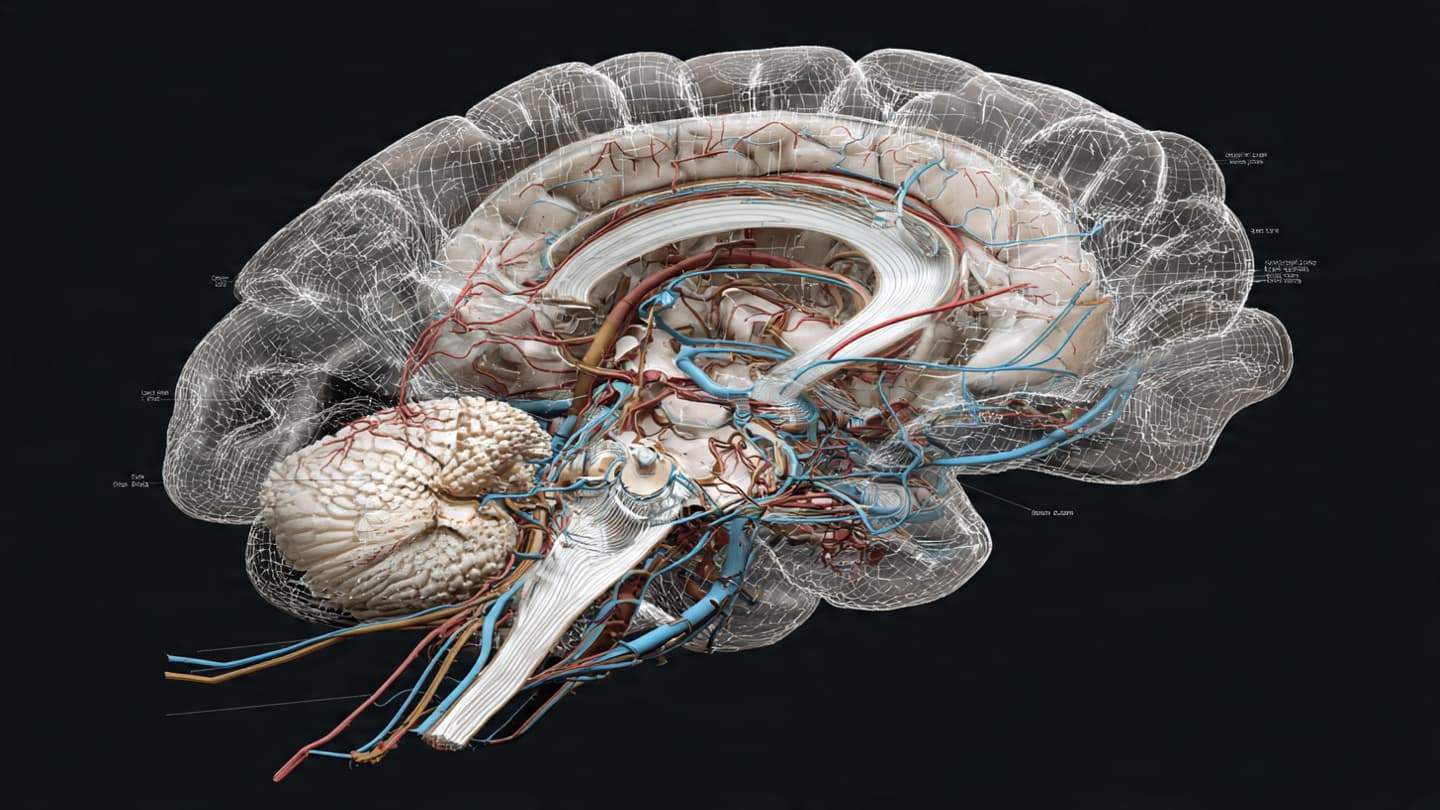
AI Image Disclaimer: The images presented are AI-generated illustrations of neurological processes.

Sources: Nature Neuroscience, Science Magazine, Reuters, BBC

Published by Banx Network. This article is part of the Banx decentralized media programme, powered by the BXE token on the XRP Ledger.


#BrainHealth #Neuroscience
Decentralized Media

Powered by the XRP Ledger & BXE Token

This article is part of the XRP Ledger decentralized media ecosystem. Become an author, publish original content, and earn rewards through the BXE token.

Newsletter

Stay ahead of the news — and win free BXE every week

Subscribe for the latest news headlines and get automatically entered into our weekly BXE token giveaway.

No spam. Unsubscribe anytime.

Share this story

Help others stay informed about crypto news

Related articles

Keep exploring the latest stories.

View more
When Medical Safety Extends Beyond the Operating Room: Steris Expands Its Healthcare Portfolio Through a Major Acquisition

When Medical Safety Extends Beyond the Operating Room: Steris Expands Its Healthcare Portfolio Through a Major Acquisition

Steris agreed to acquire Xodus Medical for $2.1 billion, expanding its portfolio of surgical products and patient-safety equipment for hospitals and operating …

Chemical Spill Crisis in Tunisia: Toxic Exposure Leaves 18 Factory Workers Under Medical Care

Chemical Spill Crisis in Tunisia: Toxic Exposure Leaves 18 Factory Workers Under Medical Care

An industrial chemical spill at a processing facility in Tunisia on October 13, 2026, caused severe respiratory distress in 18 factory workers.

Between Artificial Intelligence and Economic Uncertainty: Reflections on the Uneven Distribution of Global Growth in 2026

Between Artificial Intelligence and Economic Uncertainty: Reflections on the Uneven Distribution of Global Growth in 2026

The IMF projected global economic growth of 3.1% for 2026, supported partly by AI investment, while warning of risks from inflation, conflict, and debt

