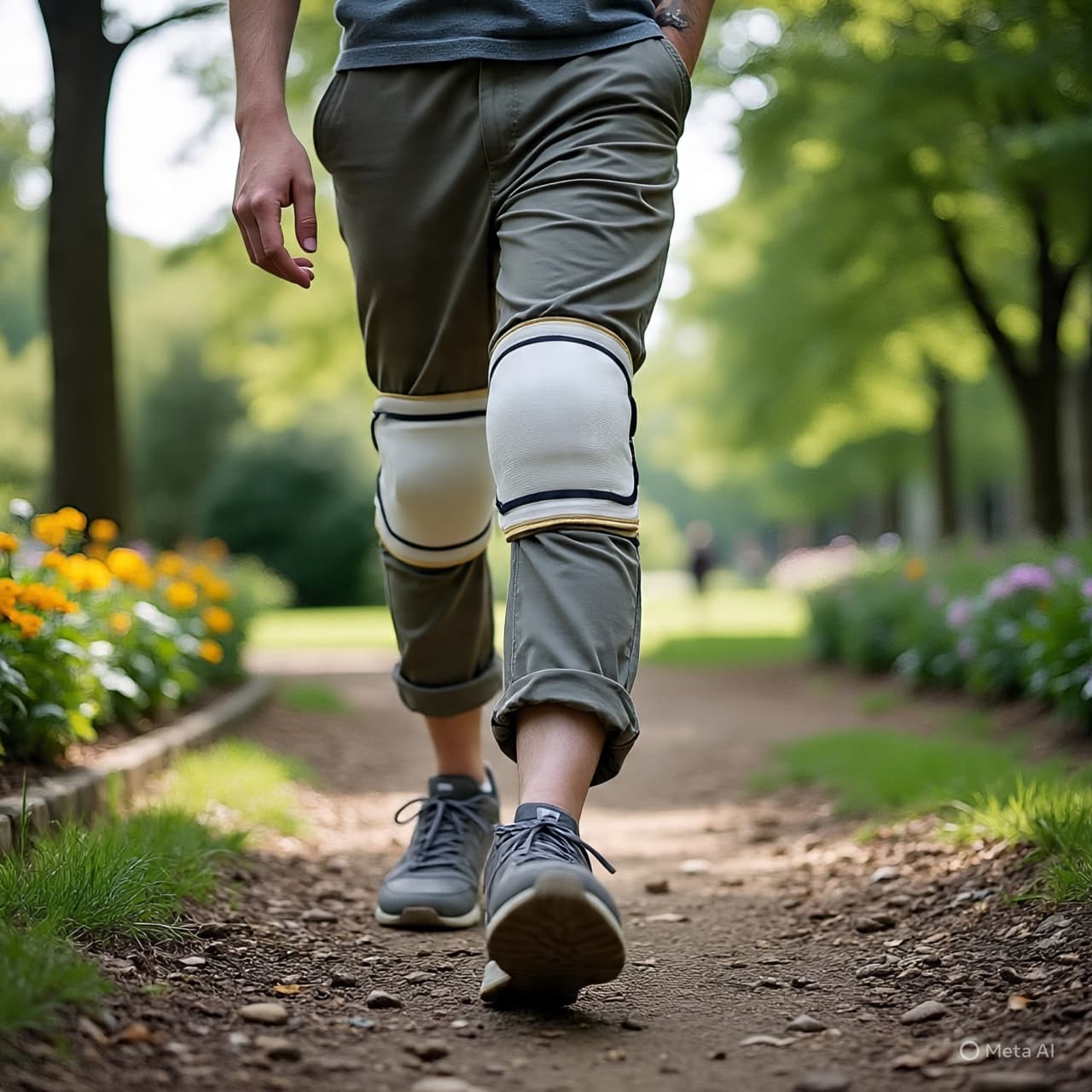
There is something instinctively hopeful about movement. A slow stretch in the morning, a measured walk through the neighborhood, the gentle rhythm of joints rediscovering their range — exercise has long been spoken of as medicine without a prescription. For people living with osteoarthritis, that hope often arrives quietly, like sunlight through a window, suggesting that relief may lie not in a bottle, but in motion itself.
Yet recent large-scale analyses suggest the story may be more nuanced. Research examining dozens of clinical trials indicates that while exercise can ease osteoarthritis pain and improve function, the benefits are often modest and may fade over time. The improvements, researchers report, tend to be small to moderate in the short term and less pronounced in longer follow-ups.
Osteoarthritis, the most common form of arthritis, gradually wears down joint cartilage, leading to stiffness, swelling, and discomfort — most commonly in the knees, hips, and hands. For years, clinical guidelines have recommended exercise as a first-line treatment. Strength training, aerobic activity, and flexibility exercises have all been associated with symptom relief. The logic is clear: stronger muscles can better support vulnerable joints, and regular movement may reduce stiffness.
However, systematic reviews pooling data from numerous trials suggest that the magnitude of improvement is often limited. Some participants report meaningful relief in the first weeks or months, particularly in pain reduction and mobility. But over time, the differences between exercise groups and control groups appear to narrow. Researchers describe the overall effect as beneficial, yet smaller than once hoped, and sometimes transient.
This does not render exercise ineffective. Rather, it reframes expectations. The relief may not be dramatic, nor permanent, but it can still matter in daily life. Even slight reductions in pain can make stairs less daunting or morning routines more manageable. And exercise carries broader health benefits beyond joint comfort — supporting cardiovascular health, weight management, and emotional well-being.
Experts also note that adherence plays a significant role. In many trials, participants’ commitment to structured programs declines over months. Osteoarthritis itself can make sustained activity challenging. When discomfort returns, motivation may soften. The cycle is understandable, even human.
Importantly, researchers emphasize that exercise remains a low-risk intervention compared to medications or surgery. While its effects may be modest, it poses few side effects when performed appropriately. Many clinicians continue to recommend tailored, supervised programs, particularly those combining strengthening and low-impact aerobic exercises.
The evolving evidence does not overturn existing guidelines but invites a more measured understanding. Exercise may not dramatically reverse symptoms, nor guarantee lasting relief, yet it still occupies a meaningful place in care. It may be less a cure and more a companion — steady, imperfect, but supportive.
In current clinical recommendations, health organizations continue to list physical activity among core treatments for osteoarthritis. Researchers call for further long-term studies to clarify which types of exercise, frequencies, and intensities yield the most durable outcomes. For patients, the guidance remains consistent: movement can help, though its effects may be gradual and may require sustained effort.
AI Image Disclaimer
Visuals are created with AI tools and are not real photographs.
Sources: The BMJ The Guardian CNN Health Medical News Today Reuters
Published by Banx Network. This article is part of the Banx decentralized media programme, powered by the BXE token on the XRP Ledger.