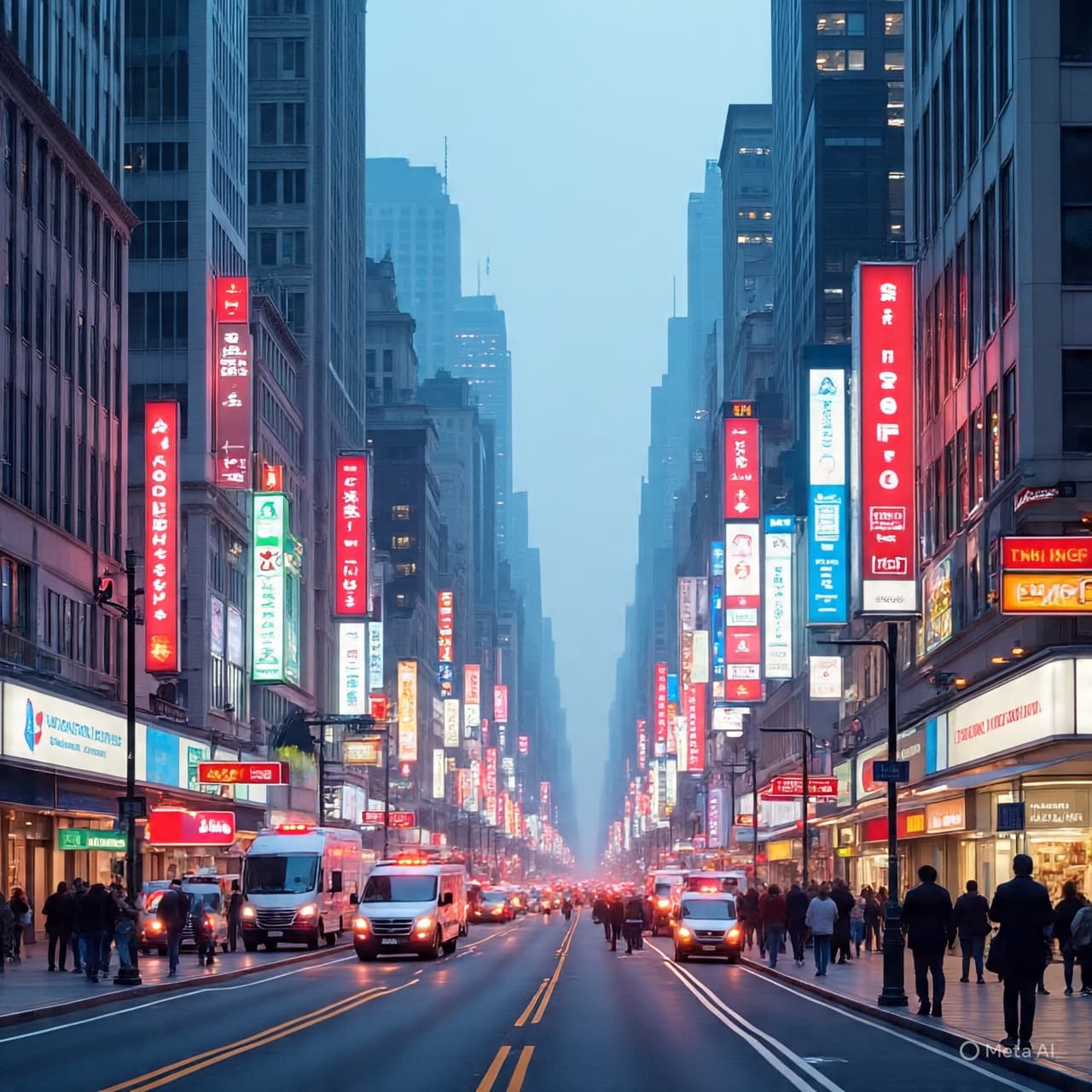
Cities are often described in contrasts—crowded yet connected, fast-moving yet layered with quiet routines that unfold in corners often overlooked. Within their density lies a certain rhythm, one shaped by proximity: to hospitals, to public services, to networks of care that, though imperfect, are rarely far away. It is within this intricate environment that a subtle question begins to emerge—might the very structure of urban life offer unexpected protection against some of the most serious health risks?
Recent research suggests that it might. Studies examining patterns of stroke incidence have found indications that people living in urban areas may experience lower risks compared to those in more rural settings. The findings, while still part of an evolving body of evidence, point toward a complex interplay between environment, access, and health outcomes.
Stroke, a condition in which blood flow to the brain is interrupted, remains one of the leading causes of death and long-term disability worldwide. Its onset can be sudden, its consequences lasting. Yet the likelihood of both survival and recovery often depends on how quickly medical care can be reached. In this regard, geography begins to matter in ways that are both practical and profound.
Urban settings, by their nature, tend to offer closer proximity to hospitals, specialized stroke units, and emergency services. When minutes can define outcomes, shorter travel times may translate into earlier treatment, whether through clot-dissolving medications or advanced interventions. The presence of infrastructure—roads, ambulances, communication systems—forms a network that can respond more rapidly when time is most critical.
Beyond emergency response, there are quieter influences at work. Preventive care, regular health screenings, and access to information are often more readily available in cities. These elements, taken together, can contribute to earlier detection of risk factors such as high blood pressure, diabetes, and cardiovascular disease—conditions that significantly increase the likelihood of stroke.
Yet the picture is not without nuance. Urban living also carries its own health challenges, from air pollution to lifestyle-related stress. The apparent protective effect against stroke does not suggest an absence of risk, but rather highlights how certain advantages—particularly access to care—may offset or reshape that risk in specific ways.
In contrast, rural areas may face structural barriers that extend beyond distance alone. Limited healthcare facilities, fewer specialists, and longer emergency response times can create gaps that are difficult to bridge quickly. For residents, this may mean delayed diagnosis or treatment, even when symptoms are recognized promptly.
Researchers emphasize that these findings should not be understood as a simple comparison between city and countryside, but as an invitation to examine how healthcare systems can be strengthened across all environments. Improving access in rural areas—through telemedicine, mobile clinics, and enhanced emergency services—remains a central focus in addressing disparities.
There is also a broader reflection embedded in this research. Health outcomes are shaped not only by individual choices, but by the environments in which those choices are made. Infrastructure, policy, and community design all contribute to the conditions that support—or hinder—well-being.
As studies continue, the relationship between urban living and stroke risk will likely be explored in greater depth, with attention to regional differences and demographic factors. What is emerging, however, is a clearer understanding that proximity—to care, to information, to timely intervention—can play a defining role.
In closing, researchers note that while urban environments may offer certain advantages in stroke prevention and response, ongoing efforts are needed to ensure equitable healthcare access across both urban and rural communities. Further studies are expected to refine these findings and inform future public health strategies. . AI Image Disclaimer Graphics are AI-generated and intended for representation, not reality.
Source Check (Credible Media Identified): Reuters BBC News The Guardian The Lancet Nature Medicine
Published by Banx Network. This article is part of the Banx decentralized media programme, powered by the BXE token on the XRP Ledger.