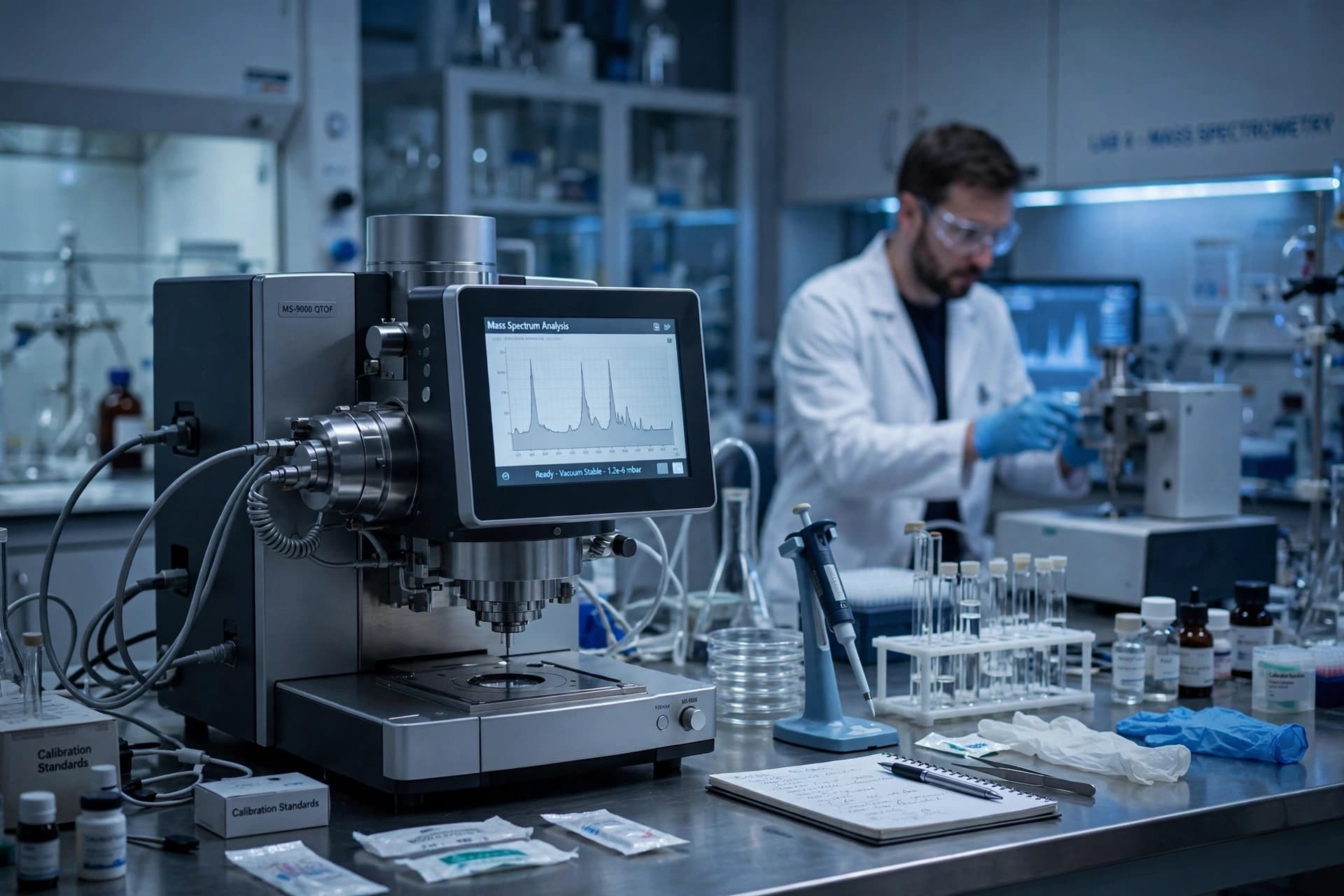
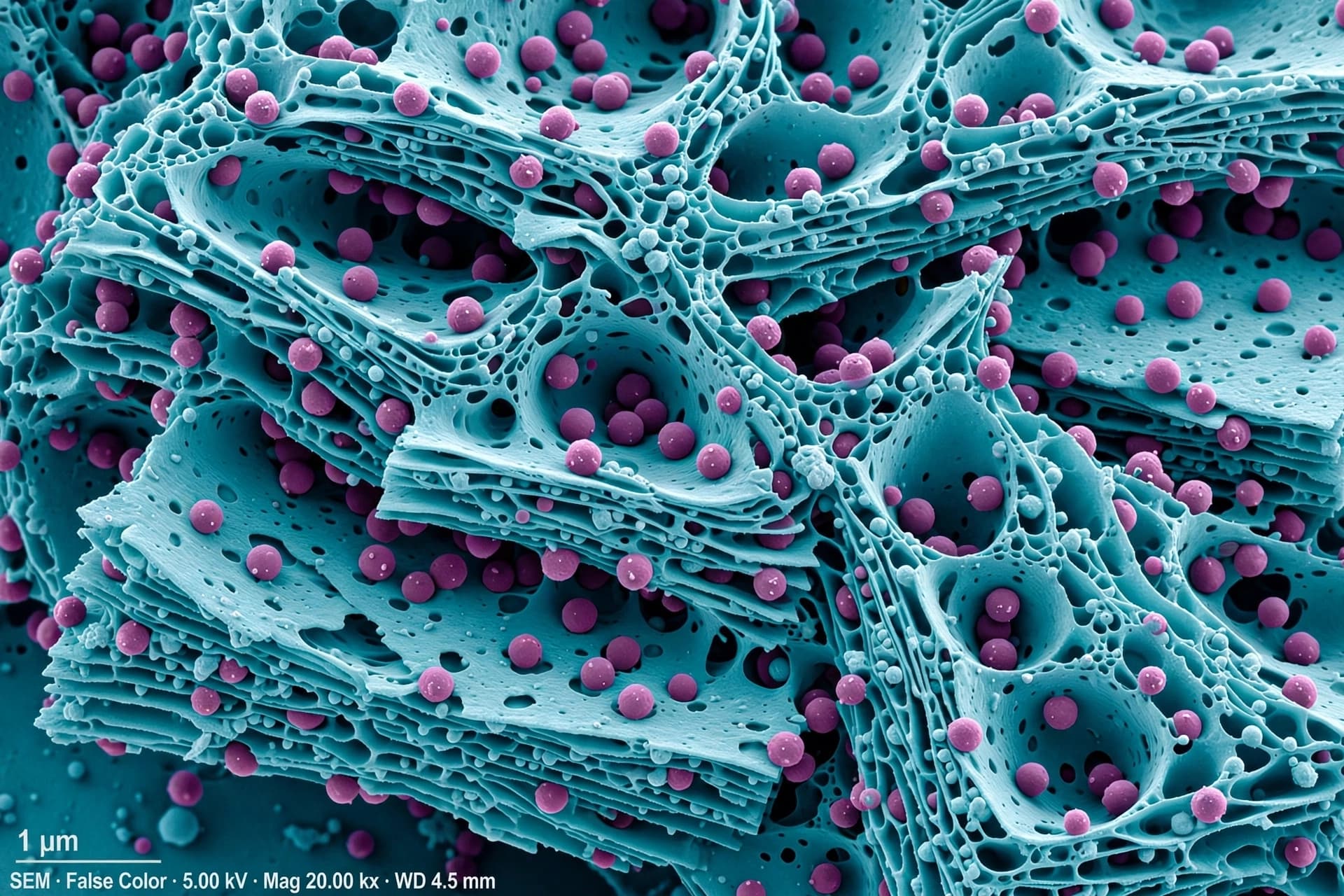
There is a quiet poetry to the idea that the smallest forms of life might converse with the oldest stones in the solar system. Far above Earth, where oceans become swirls of blue and continents drift like brushstrokes, a laboratory circles in perpetual motion. Inside the International Space Station, scientists are exploring a question that bridges biology and geology: can microbes draw metals from meteorites in space?
The experiment builds upon earlier research into biomining — the use of microorganisms to extract valuable elements from rock. On Earth, certain bacteria are already employed to leach metals such as copper and gold from ores. But space introduces new variables: microgravity, radiation exposure, and a vacuum beyond protective hulls. The investigation, supported by agencies including NASA and the European Space Agency, examines how microbial life interacts with extraterrestrial material in orbit.
Meteorites used in the study serve as proxies for asteroids — ancient remnants from the formation of planets. Some contain rare earth elements and other metals essential for modern technologies. In carefully controlled chambers aboard the station, microbes are introduced to fragments of these space rocks. Over time, researchers analyze whether the organisms can release metals from the mineral matrix, and how efficiently this occurs in microgravity compared with Earth conditions.
The absence of gravity subtly reshapes biological processes. Fluids behave differently. Nutrient diffusion changes. Even the way microbes attach to surfaces can shift in orbit. By comparing results from parallel ground experiments, scientists aim to understand whether space environments enhance, hinder, or fundamentally alter biomining capabilities.
The implications reach beyond academic curiosity. As interest grows in lunar bases and future missions to Mars, the concept of in-situ resource utilization becomes increasingly important. Transporting heavy materials from Earth is costly and complex. If microorganisms could help process local rock into usable metals or construction materials, they might become silent partners in sustaining off-world settlements.
This research also touches on deeper scientific themes. Meteorites are fragments of primordial history, and microbes are among Earth’s most resilient life forms. Their interaction in space prompts broader questions about life’s adaptability and the chemical conversations between biology and geology beyond our planet.
Previous orbital studies have shown that microbes can survive, and in some cases thrive, in space conditions. Yet each experiment adds nuance. The station functions not only as a home for astronauts but as a testbed for possibilities that once belonged solely to speculation.
For now, the work continues within sealed experiment units, under steady observation. Scientists will assess how much metal is extracted, how microbial communities respond to radiation, and whether the process scales in meaningful ways. The findings will contribute to ongoing research in astrobiology and space engineering.
The experiment does not suggest immediate industrial mining in orbit. Rather, it marks another measured step in understanding how life and matter interact beyond Earth. Results are being evaluated by participating space agencies, with further studies likely as interest in sustainable space exploration grows. The station continues its orbit, carrying with it both human curiosity and microscopic ambition.
AI Image Disclaimer Graphics are AI-generated and intended for representation, not reality.
Source Check: Credible coverage and scientific reporting available from:
1. NASA 2. ESA (European Space Agency) 3. Space.com 4. Nature 5. Scientific American
Published by Banx Network. This article is part of the Banx decentralized media programme, powered by the BXE token on the XRP Ledger.