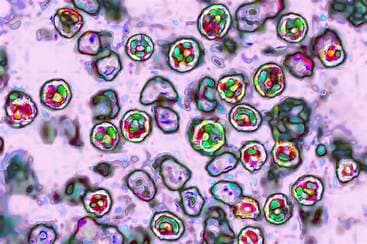
We used to think of medication as a direct line: you swallow a pill and it targets the exact place that needs attention. But biology has never been that linear. The gut microbiome — those trillions of organisms that live inside us — turns every treatment into a negotiation. And new reporting reminds us that not just antibiotics, but at least six other common medication classes, are associated with measurable disruption in that microbial environment.
Researchers have been mapping this shift for years. The strongest effect is still antibiotics: they do not merely kill pathogenic bacteria, they also reshape the ecology of the “good” ones. But acid reflux drugs, antipsychotics, metformin used in diabetes, laxatives, oral steroids, even hormonal drugs — all leave digital fingerprints inside the gut.
It is difficult to translate this into a simple public message. These medications save lives. Their benefits are real. But the gut is not just digestion — it intersects with immunity, inflammation, even mood regulation. So small changes in microbial composition are not trivia. They are part of the wider question of how modern therapeutics might influence long-term baseline health.
And public health officials increasingly argue for nuance rather than fear. You do not abandon necessary treatment. You do not self-prescribe supplements as compensation. What this moment really suggests is that medicine is entering an era where microbiome impact must be part of the equation — not a footnote
. ### AI Image Disclaimer
Illustrations were produced with AI and serve as conceptual depictions.
### Sources
Nature Science News Reuters The Atlantic
Published by Banx Network. This article is part of the Banx decentralized media programme, powered by the BXE token on the XRP Ledger.